
After Saudi Arabia’s Yemen Strike, UAE Rejects Support for Separatists: A Turning Point in Gulf Relations
Gulf allies clash over Yemen strategy as Abu Dhabi denies backing southern separatists following a Saudi-led airstrike
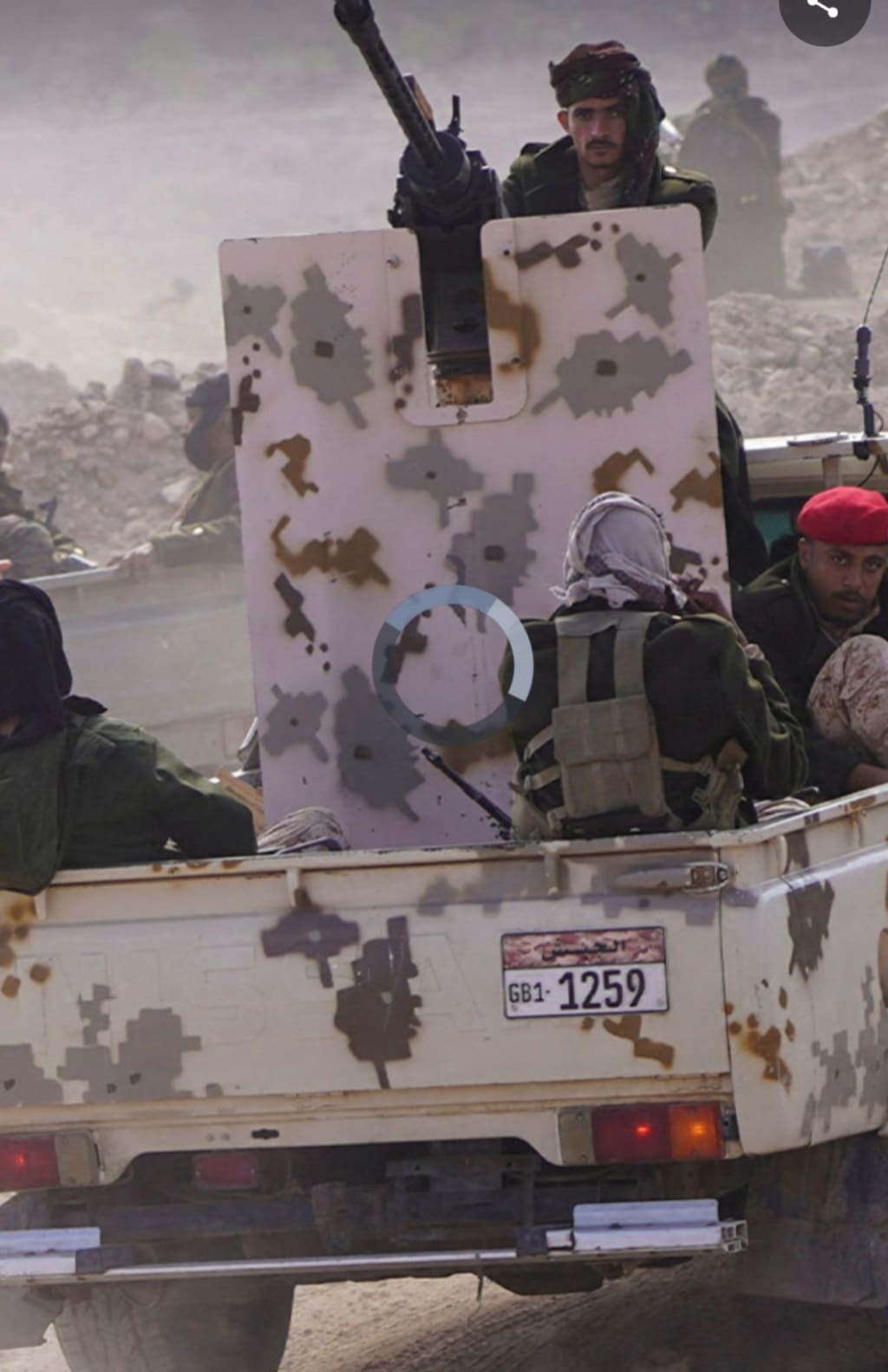
In a dramatic escalation that has stunned Middle Eastern policymakers and analysts alike, tensions between two of the Gulf’s most powerful allies — Saudi Arabia and the United Arab Emirates (UAE) — have erupted over developments in the long-running conflict in Yemen. At the heart of the crisis is a Saudi-led airstrike on Yemen’s Mukalla port, an accusation that triggered Abu Dhabi’s rejection of claims that it has been arming southern Yemeni separatists, and prompted a swift announcement that UAE forces would withdraw from Yemen. �
Reuters +1
A Rift Between Allies Over Yemen
The conflict in Yemen has been one of the region’s most complex and destructive wars since it erupted in 2014. A Saudi-UAE coalition intervened in 2015 to support the internationally recognized Yemeni government against the Iran-aligned Houthi movement that controls the capital, Sanaa. While Riyadh and Abu Dhabi initially appeared united in opposing the Houthis, their strategic objectives diverged sharply over time — particularly regarding the role and future of southern Yemen. �
The Times of India
Saudi Arabia has consistently championed a unified Yemen under the internationally recognized government. It views the fragmentation of Yemen as a direct threat to its own national security, especially along its long southern border. In contrast, the UAE has often backed the Southern Transitional Council (STC), a powerful separatist faction seeking autonomy or independence for southern Yemen — the region that was an independent state before unification in 1990. �
The Week
The Mukalla Strike and Saudi Accusations
The immediate trigger for the current diplomatic rupture was a Saudi-led coalition airstrike on Mukalla, a strategic port city in southern Yemen. Riyadh claimed the strike targeted weapons and armored vehicles being delivered to the STC from the UAE. Saudi officials described the shipment as a clear violation that endangered the kingdom’s security and undermined Yemen’s unity. �
Pittsburgh Post-Gazette +1
In response, Saudi Arabia and its Yemeni partners issued ultimatums for the withdrawal of UAE forces and demanded confirmation that Abu Dhabi would cease support for separatist elements. Saudi commentators painted the movement of the STC into the oil-rich eastern governorates of Hadramawt and Al Mahra — areas bordering Saudi Arabia and Oman — as a border security red line that could not be tolerated. �
mint
UAE’s Denial and Rejection of the Claims
The UAE government reacted swiftly to Saudi accusations. In official statements, Abu Dhabi denied supplying weapons or directing the STC to conduct operations against Saudi interests. The Ministry of Defence stressed that the shipment targeted by the Saudis was not meant for any Yemeni faction but was part of logistical support for Emirati forces in the country. It categorically rejected any claims linking the UAE to destabilizing actions or military escalation. �
The National
Abu Dhabi’s narrative emphasizes that its role in Yemen was primarily focused on counterterrorism efforts, humanitarian support, and political stability, rather than backing separatist warfare. The UAE said it regretted inaccuracies in Saudi statements and reaffirmed its respect for Saudi sovereignty and regional security. �
The National
Withdrawal of UAE Forces: Voluntary or Forced?
Shortly after the clash, the UAE announced the withdrawal of its remaining military personnel from Yemen, labeling the decision as voluntary and tied to the “safety and effectiveness” of its operations amid new tensions. Abu Dhabi stated that its forces in Yemen were limited to counterterrorism specialists and that the cessation was coordinated with partners. �
Reuters
However, outside analysts and regional observers have questioned the “voluntary” framing. Saudi-backed Yemeni authorities had issued a 24-hour ultimatum demanding that Emirati forces leave Yemen, and the broader Saudi narrative tied the pullout to expectations that the UAE would stop backing southern separatists. Whether Abu Dhabi’s withdrawal is truly autonomous or a response to geopolitical pressure remains a subject of debate. �
mint +1
The Broader Conflict and Humanitarian Impact
These developments occur against the backdrop of one of the world’s worst humanitarian crises. After more than a decade of war, Yemen’s institutions have collapsed, hundreds of thousands of civilians have died, and millions face famine and disease. The fractured nature of the conflict — involving the Houthis in the north, Saudi-backed government forces, UAE-influenced STC units, and other armed groups — has complicated peace initiatives and undermined efforts to deliver basic services. �
Reuters
The European Union has warned that the worsening situation risks further destabilization of the entire Gulf region, urging all parties to de-escalate and prioritize Yemen’s unity and independence. �
Reuters
Regional and Diplomatic Repercussions
The public discord between Saudi Arabia and the UAE is being closely watched across the Middle East and beyond. Historically, the two Gulf states have formed key pillars of Arab efforts to counter Iranian influence and manage regional conflicts. A rupture in their alliance could have far-reaching consequences, affecting not only Yemen but also other theatres of competition and cooperation. �
Financial Times
Diplomats in Muscat, Riyadh, and Abu Dhabi have engaged in talks aimed at tamping down tensions, and Oman’s foreign minister has met with Saudi counterparts to discuss political solutions in Yemen. Still, whether these efforts can realign Gulf unity remains uncertain. �
Reuters
International allies, including Pakistan, have expressed support for Saudi Arabia while endorsing diplomatic avenues, illustrating the delicate balancing act external powers must perform amid this rift. �
AP News
What Happens Next?
The situation remains highly fluid. Saudi Arabia has signaled that it will closely monitor the UAE’s intentions and actions in Yemen to determine if its withdrawal is genuine. Yemen’s separatists have so far rejected calls to abandon seized territories, adding another layer of complexity to an already volatile scene. �
France 24
Ultimately, the crisis highlights how alliances in the Middle East can shift rapidly, how divergent strategic interests can undermine long-standing partnerships, and how conflicts like Yemen’s continue to draw in regional powers with competing visions. The path to peace — both within Yemen and among its powerful neighbors — hinges on whether shared interests can once again outweigh strategic discord.
If you’d like, I can also provide headline options, social media excerpts, or a summary for mobile platforms!
About the Creator
Keep reading
More stories from Salaar Jamali and writers in The Swamp and other communities.
PLA Holds Drills Around Taiwan in Warning to ‘Independence Forces’ After U.S. Arms Deal
China’s People’s Liberation Army (PLA) has conducted a new round of military drills around Taiwan, issuing a sharp warning to what Beijing calls “independence forces” following a fresh arms deal between the United States and the self-governed island. The exercises underscore rising tensions in the Taiwan Strait, as military signaling intensifies alongside diplomatic friction between China, the United States, and Taiwan.
By Salaar Jamali21 days ago in The Swamp




Comments
There are no comments for this story
Be the first to respond and start the conversation.