
6 Interesting Facts You Never Knew About the Great Fire of London
The disaster that reshaped a city and changed urban history forever
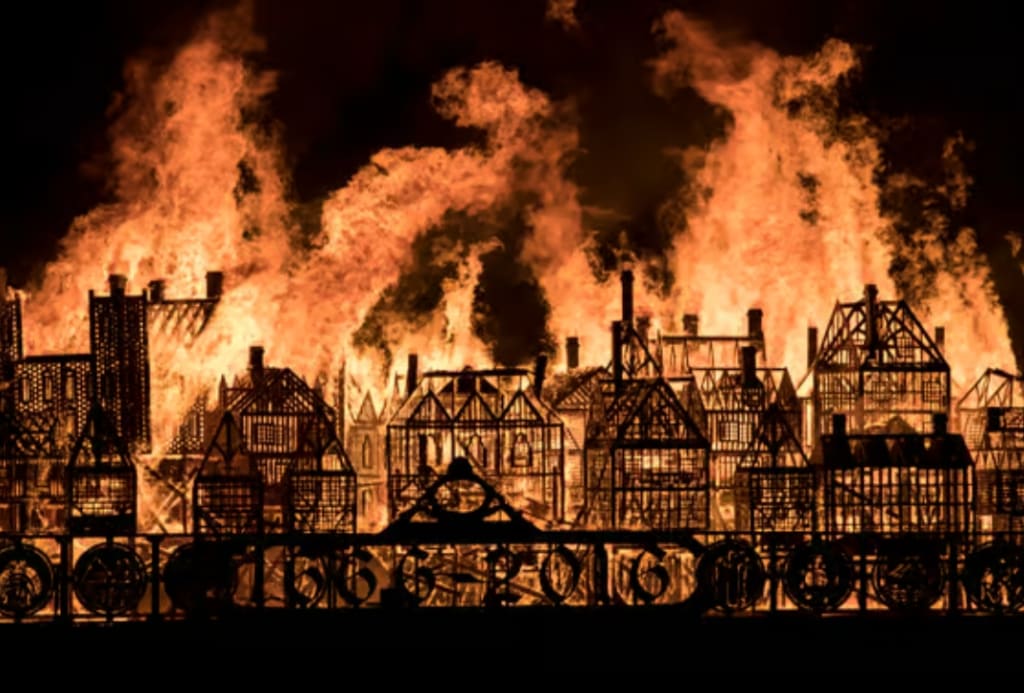
The Great Fire of London is one of the most famous disasters in British history. Beginning in September 1666, the fire destroyed large sections of London, including homes, churches, and major public buildings. While many people know the basic story — that it started in a bakery and spread rapidly — there are many fascinating details that often go unnoticed.
The Great Fire not only changed London’s physical landscape but also transformed how cities were built, protected, and planned for the future. Here are six lesser-known facts about this historic event.
1. The Fire Started in a Bakery — But Spread Because of Weather and City Design
Most people know the fire began in Thomas Farriner’s bakery on Pudding Lane. However, what many don’t realize is that London at the time was extremely vulnerable to fire disasters.
The city was built largely from:
Wooden houses
Narrow streets
Overhanging buildings
Thatched or flammable roofing
Strong winds helped the flames spread quickly, turning a small fire into a massive citywide disaster within hours.
2. The Official Death Toll Was Surprisingly Low
Despite destroying over 13,000 houses and much of the city, the official death toll was recorded as only a handful of people.
Historians debate whether this number is accurate. Possible reasons for the low number include:
Many people escaped early
Records for poorer residents were limited
Some victims may not have been officially documented
Even if the real number was higher, it was still low compared to the scale of destruction.
3. St Paul’s Cathedral Was Completely Destroyed
The original St Paul’s Cathedral, built in medieval times, was lost in the fire. Many people believed the thick stone walls would protect it, but wooden scaffolding around the building caught fire and helped spread the flames.
The destruction of St Paul’s shocked London residents and symbolized the scale of the disaster. The cathedral was later rebuilt under architect Sir Christopher Wren and still stands today as one of London’s most iconic landmarks.
4. The Fire Helped Stop the Plague
An interesting theory suggests that the Great Fire may have helped end the Great Plague of London, which had devastated the population the year before.
The fire destroyed many crowded and unsanitary neighborhoods where disease spread easily. While historians debate how much impact the fire actually had, it likely improved sanitation and reduced rat populations that carried plague-infected fleas.
5. London Was Rebuilt Using New Safety Rules
After the fire, London was rebuilt with major safety improvements. New laws required buildings to be made from:
Brick
Stone
Fire-resistant materials
Street layouts were also improved, making it harder for fires to spread quickly.
These changes helped create the safer, more modern London we recognize today.
6. The Fire Lasted Four Days and Changed Urban Planning Forever
The fire burned from September 2 to September 6, 1666. During this time, thousands of people lost homes and businesses, forcing the city to rethink how urban areas were designed.
The disaster led to:
Early organized firefighting methods
Better city planning
Insurance industry growth
Fire safety regulations
Modern fire safety systems can be traced back to lessons learned from this disaster.
The Human Side of the Disaster
Thousands of London residents became homeless overnight. Many camped in open spaces or left the city entirely. Personal diaries from survivors describe panic, confusion, and desperation as people tried to save belongings and escape the flames.
The fire also showed the importance of emergency coordination and disaster response planning.
How the Fire Changed London’s Economy
Although devastating, the fire eventually led to economic rebuilding and modernization. Construction created jobs, and new infrastructure improved trade and business efficiency.
London eventually became one of the world’s most powerful financial and trading cities.
The Role of Samuel Pepys
Samuel Pepys, a government official, famously documented the fire in his diary. His detailed descriptions provide one of the best historical records of the disaster and daily life during the crisis.
His diary entries describe:
Watching the fire spread
Government confusion
Public fear
Evacuation efforts
Without Pepys’ writings, much of what we know today might have been lost.
Lessons Still Relevant Today
The Great Fire of London still influences modern city planning. Lessons learned include:
Importance of fire-resistant building materials
Need for emergency planning
Importance of wide streets and urban spacing
Development of organized fire services
Cities around the world continue using these principles.
Why People Still Study the Great Fire Today
The fire is studied not just as a disaster, but as a turning point in urban development and public safety. It shows how tragedy can lead to major social and technological progress.
Conclusion
The Great Fire of London was one of the most destructive urban disasters in European history, but it also helped shape the modern world. From improved building materials to organized firefighting services, many modern safety standards exist because of lessons learned from this catastrophe.
Understanding these lesser-known facts helps us see the fire not just as a tragic event, but as a major turning point in how cities are built and protected. More than 350 years later, the Great Fire of London remains a powerful reminder of how disasters can change history — and how societies can rebuild stronger than before.
About the Creator
Keep reading
More stories from Aarif Lashari and writers in The Swamp and other communities.
Spanish Hornets Intercept Russian Navy Su-30SM With a Rare Weapon Loadout Over the Baltic
Spanish Air Force F/A-18 Hornet fighter jets reportedly intercepted a Russian Navy Su-30SM fighter aircraft flying over the Baltic region, drawing attention due to the Russian jet’s reportedly rare weapon configuration. The incident highlights the continued military monitoring activity over European airspace and reflects ongoing geopolitical tensions between NATO members and Russia.
By Aarif Lasharia day ago in The Swamp
China's Net Gold Imports Through Hong Kong Fall 24% in December, but Premiums and Retail Demand Soar in January
China’s gold market sent mixed signals at the turn of the year. Net gold imports through Hong Kong — a key conduit for bullion flows into mainland China — fell by 24% in December, reflecting a seasonal slowdown and tighter price conditions. Yet by January, domestic premiums jumped and retail demand surged, underscoring resilient appetite among Chinese consumers and investors despite global price volatility.
By Salaar Jamali6 days ago in The Swamp




Comments
There are no comments for this story
Be the first to respond and start the conversation.