
5 Things to Know About the Latest Minneapolis Shooting
A fatal federal agent shooting in Minneapolis highlights growing tensions over immigration enforcement, conflicting accounts of the incident, and mounting community outrage.

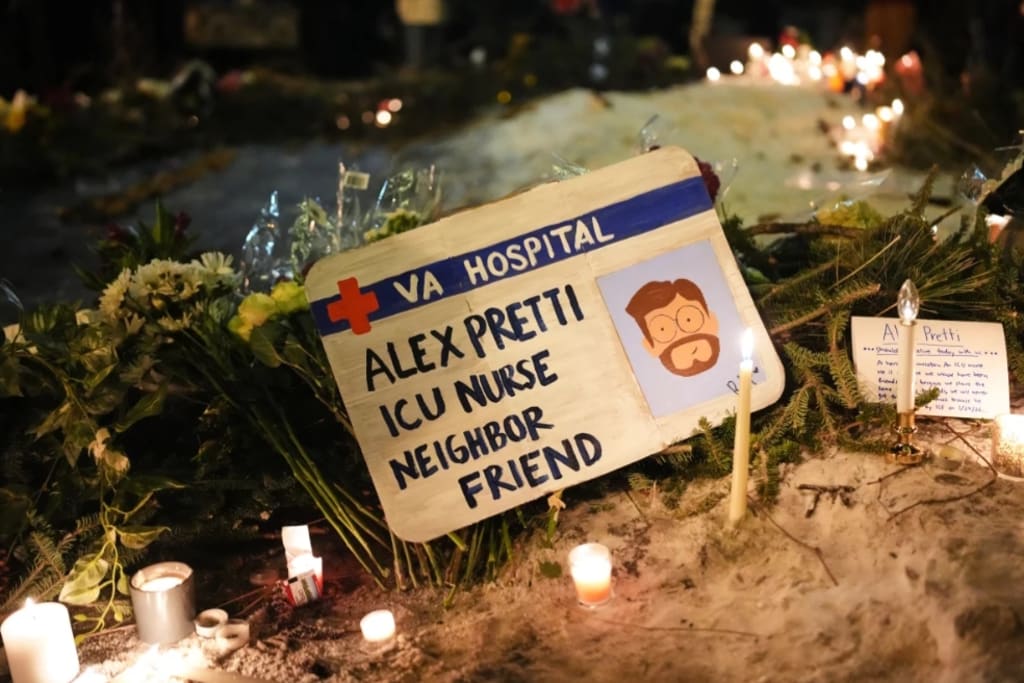
The fatal shooting of 37‑year‑old Alex Jeffrey Pretti by federal immigration agents on January 24, 2026, in Minneapolis has dominated national headlines, intensifying debate over federal law enforcement tactics and local responses. Here are the five key takeaways to understand about this controversial and politically charged incident.
---
1. The Victim Was a Local ICU Nurse and Community Member
The man killed in the shooting was Alex Pretti, a 37‑year‑old intensive care unit nurse who worked at the Minneapolis VA Health Care System and lived in the city. Pretti was remembered by family, friends, co‑workers, and neighbors as a compassionate, community‑oriented individual who cared for veterans and enjoyed the outdoors.
Pretti’s father said his son had been participating in protests because he “cared about people deeply” and was upset about federal immigration enforcement in the city. Despite federal officials’ claims, local accounts and community members, including those who knew him well, emphasized that Pretti had no significant criminal history beyond minor traffic infractions, and was a lawful gun owner with a permit in Minnesota, where open carry is permitted.
---
2. Conflicting Accounts of What Actually Happened
A central controversy surrounds the circumstances that led to the shooting. Federal officials, including Department of Homeland Security Secretary Kristi Noem, described the encounter as a situation in which Pretti approached U.S. Border Patrol agents with a 9 mm semiautomatic handgun during a broader immigration enforcement operation, resisting efforts to disarm him, prompting an agent to fire “defensive shots.”
Authorities also said Pretti had multiple magazines of ammunition and no identification, portraying him as a threat to officers. A Border Patrol commander defended the training and actions of the agent who fired, stating the shooting remains under investigation.
However, bystander videos posted online and reviewed by multiple news outlets contradict key elements of the federal narrative. In footage circulating widely, Pretti appears to be holding a phone, not a weapon, before the shooting, and he was struggling on the ground with agents when shots were fired. There is no clear video showing Pretti brandishing or firing a weapon prior to being shot.
---
3. The Incident Is Part of an Escalating Pattern in Minneapolis
Pretti’s death was not an isolated event. It occurred during a large federal immigration enforcement surge known as “Operation Metro Surge”, part of an expanded national crackdown led by the Trump administration in multiple cities.
Earlier in January, another U.S. citizen, Renée Good, had been fatally shot by a federal agent in Minneapolis, prompting outrage and protests. Pretti’s killing marked the second such fatality in the city in just weeks, further intensifying local concerns about federal enforcement practices and oversight.
These multiple shootings have become a flashpoint, fueling broader anti‑ICE and anti‑immigration enforcement protests across the United States, with demonstrators calling for accountability and an end to aggressive federal operations.
---
4. Local Leaders and Communities Demand Transparency and Action
The shooting sparked immediate backlash from local officials, community leaders, and civil rights advocates. Minnesota Governor Tim Walz condemned the incident as part of a pattern of federal overreach and called for greater transparency and investigation into the agents’ actions.
Minneapolis officials — including the mayor — criticized the federal narrative and underscored that Pretti had no criminal history and was legally armed under state law. They have pushed for state and local authorities to lead independent investigations and raised concerns about federal obstruction of evidence.
Prominent voices, including civil rights groups and labor organizations, have urged federal immigration agents to leave the state entirely, warning that continued operations could lead to further violence. The AFL‑CIO, for example, publicly called for ICE to depart Minnesota “before anyone else is hurt or killed.”
---
5. The Shooting Has National Political and Social Ramifications
Beyond Minnesota, the shooting has rapidly taken on national significance, becoming a rallying point in debates over federal immigration policy, law enforcement conduct, and civil liberties. Critics of federal enforcement argue that the actions of ICE and Border Patrol agents reflect a deeper issue of unaccountable federal power used in politically contentious environments.
Meanwhile, national political figures have weighed in. President Trump and other federal officials have defended the agents’ actions, with the White House maintaining that the incident is being reviewed and framing the event around threats to law enforcement.
Civil liberties advocates, state attorneys general, and other critics have sharply challenged the administration’s account, calling for comprehensive investigation and accountability. Minnesota Attorney General Keith Ellison has publicly criticized the federal narrative as “flat‑out insane” and inconsistent with available evidence, further highlighting the clash between federal and state perspectives.
---
Conclusion: A Deeply Divisive Moment
The latest Minneapolis shooting reflects more than just a tragic loss of life — it underscores the deep divisions within American society over immigration enforcement, federal authority, and community safety. With conflicting narratives, powerful video evidence raising questions about official accounts, and widespread protests demanding justice, the incident is likely to remain a major point of contention in national politics and policy discussions.
As investigations continue and communities seek answers, the story of Alex Pretti’s death — and the broader pattern of federal agent involvement in Minneapolis — will continue shaping conversations about law enforcement, civil rights, and the limits of governmental power in the United States.
About the Creator
Keep reading
More stories from Salaar Jamali and writers in The Swamp and other communities.
Minneapolis Protesters March Against ICE as Governor Urges Trump to Remove Agents
Minneapolis has become the epicenter of a tense confrontation between local communities and federal immigration enforcement, as hundreds of protesters marched against Immigration and Customs Enforcement (ICE) following the fatal shooting of a U.S. citizen by federal agents. The marches come amid widespread outrage and renewed calls by Minnesota Governor Tim Walz for President Donald Trump to withdraw federal immigration agents from the state.
By Salaar Jamalia day ago in The Swamp
Trump Says Tiny Cars Are Amazing, But Will Americans Actually Buy Them?
Former U.S. President Donald Trump recently praised tiny cars, describing them as “amazing” and surprisingly efficient. However, while his comments have generated headlines and social media buzz, experts question whether American consumers are ready to embrace smaller vehicles in a country long dominated by SUVs, trucks, and spacious sedans.
By Aarif Lashari6 days ago in The Swamp
Inside Trump’s Mother of All Climbdowns
For a politician built on bravado, defiance, and an image of never backing down, Donald Trump’s latest reversal has stunned allies and critics alike. Described by commentators as the “mother of all climbdowns,” the episode marks a rare moment where Trump appeared to retreat from positions he once championed with absolute certainty.
By Aarif Lashari4 days ago in The Swamp


Comments
There are no comments for this story
Be the first to respond and start the conversation.