
Why Tokenization Unlocks Hidden Value in Real Estate, Art, Commodities & More
Discover how tokenization is transforming real estate, art, and commodities into accessible, liquid, and tradeable digital assets
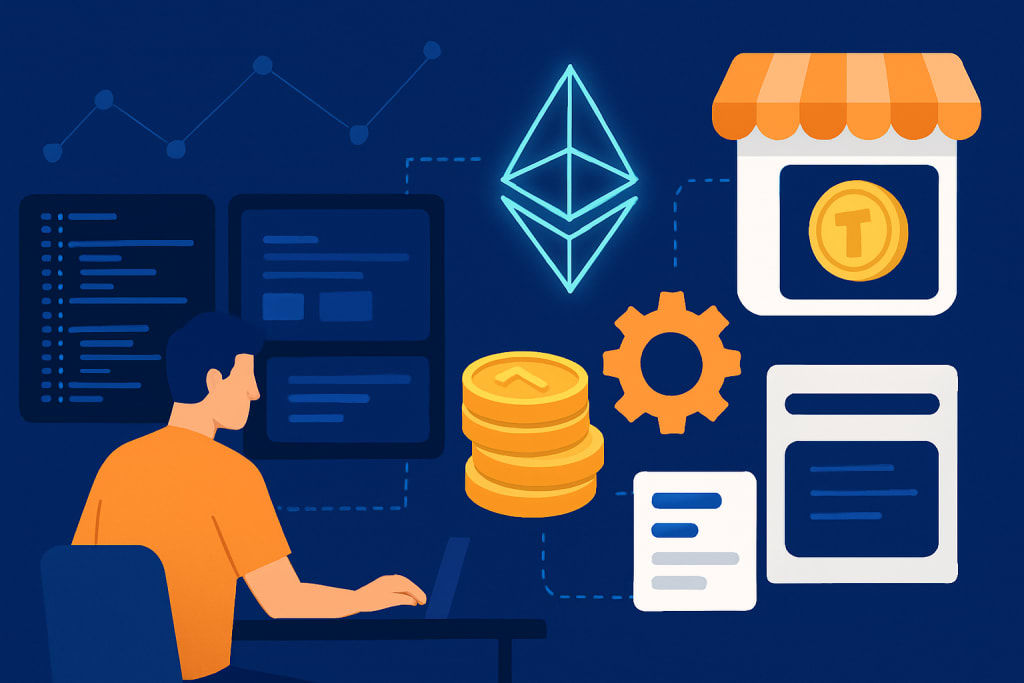
Traditional asset markets—from real estate and fine art to commodities and collectibles—have long been dominated by exclusivity, inaccessibility, and liquidity barriers. Only those with significant capital and connections could participate in these high-value domains. However, the rise of blockchain technology is dismantling these boundaries. Tokenization, the process of converting real-world assets into digital tokens on a blockchain, is creating new ways for businesses and investors to interact with traditionally illiquid assets.
As more sectors explore the potential of tokenization, the advantages become undeniable. It isn’t just about digitization—it’s about unlocking real, often hidden, value that was previously trapped in administrative overheads, rigid ownership models, and inefficient markets.
The Tokenization Framework: How It Works
Tokenization begins with identifying a real-world asset, such as a piece of property, a gold bar, or a painting. This asset is legally represented through a digital token on a blockchain platform. Each token may represent a share of the asset, allowing for partial ownership. These tokens are managed via smart contracts, ensuring transparency, security, and automated compliance.
By reducing reliance on manual processes and intermediaries, tokenization paves the way for a more streamlined and accessible investment experience. Assets can now be broken down into smaller, tradeable units that are easy to buy, sell, or transfer—broadening market participation and enhancing liquidity.
Real Estate: Liquidity and Accessibility Redefined
Real estate has historically been seen as one of the most stable investment classes. However, it has also been one of the most illiquid. Traditional real estate transactions require extensive paperwork, intermediaries, and time-consuming due diligence. Moreover, the high cost of entry makes property investing out of reach for most individuals and small investors.
Tokenization changes this dynamic. Through fractional ownership, investors can now purchase small portions of properties rather than entire buildings or lots. This lowers the capital threshold significantly and allows investors to diversify across multiple markets without needing large sums of money. For property developers and real estate owners, this approach opens new fundraising channels and shortens liquidity cycles.
By enabling 24/7 trading of tokenized real estate on compliant platforms, investors are no longer bound by geography or traditional market schedules. This global, digital-first approach introduces a level of efficiency and scale previously unattainable in property investing.
Art and Collectibles: Breaking Down Barriers in Exclusive Markets
The art world has always been synonymous with exclusivity, opacity, and subjective valuation. Historically, purchasing or investing in artwork required deep pockets and access to elite auction houses or private dealers. Even then, liquidity was limited, and provenance was often hard to verify.
Tokenization is turning this centuries-old system on its head. By minting tokens that represent ownership shares in high-value pieces of art or rare collectibles, platforms can democratize access to this traditionally closed market. Investors no longer need to own an entire painting or sculpture—they can now invest in a portion of it, similar to how one might own shares in a company.
Moreover, blockchain’s immutability ensures transparent and verifiable provenance, helping reduce art fraud and disputes over authenticity. This not only increases trust but also enhances the potential resale value of artworks by opening up secondary markets with verified ownership histories.
For artists and galleries, tokenization offers a powerful tool to raise capital while retaining partial ownership or royalties through programmable smart contracts. This new model aligns long-term interests between creators and collectors while providing liquidity that the traditional art market could never support.
Commodities: Streamlining Trade and Expanding Market Reach
Commodities such as gold, oil, and agricultural products form the backbone of the global economy. Yet, trading them often involves cumbersome processes, manual reconciliation, and layers of intermediaries, all of which increase costs and delay transactions. Tokenization simplifies this ecosystem by digitizing ownership and settlement.
A token representing a commodity asset—whether it's one gram of gold or a barrel of oil—can be issued and traded instantly across blockchain platforms. This creates an efficient, global market where trades can be executed in real time, with transparent settlement and custody. It eliminates the need for paper certificates or warehouse receipts, reducing fraud and administrative errors.
Tokenization also allows fractional ownership of commodities. Instead of requiring buyers to purchase whole units or enter into complex derivatives contracts, individuals and businesses can invest in smaller, more manageable amounts of physical assets. This lowers the entry barrier and makes commodities accessible to a broader range of investors.
Enterprises involved in commodity logistics and supply chains benefit as well. With tokenized tracking and digital ledgers, supply chain participants can monitor ownership changes, quality checks, and delivery schedules in a transparent and immutable manner, creating trust and efficiency across the value chain.
Enhanced Liquidity Across All Asset Classes
Perhaps the most transformative advantage of tokenization is its ability to unlock liquidity in markets that were traditionally considered illiquid. Real estate, artwork, and commodities often involve lengthy holding periods and lack of resale options. Tokenization opens the door to secondary markets where assets can be traded peer-to-peer without waiting for a centralized authority or institutional buyer.
Smart contracts automate many aspects of these trades, including escrow, dividend distribution, and compliance checks. As a result, trading becomes not only faster but also safer. Investors can exit or reallocate their holdings more easily, leading to a more dynamic and responsive investment environment.
For businesses, this liquidity translates into improved capital efficiency. Tokenized fundraising models, such as Security Token Offerings (STOs), allow companies to tap into a global pool of investors, raising funds faster without relinquishing excessive equity or incurring debt burdens.
Transparency, Security, and Trust
Blockchain technology offers a trustless infrastructure where all transactions are recorded immutably and can be audited in real time. This significantly reduces the risk of fraud, manipulation, or disputes. In markets like art and real estate—where disputes over ownership or valuation are common—such transparency is a game-changer.
Investors gain greater visibility into the underlying assets, including data on appraisals, past ownership, legal compliance, and even environmental impact. All of this builds trust in the ecosystem and increases the appeal of tokenized investments to both retail and institutional players.
Security is also heightened. Tokenized assets can be safeguarded with multi-signature wallets, time-locked smart contracts, and decentralized custody solutions. This layered approach to security makes digital ownership as safe—if not safer—than traditional paper-based records.
Expanding the Investment Landscape
Tokenization is not just a technological shift—it’s a fundamental change in how value is created, managed, and exchanged. By digitizing ownership, it opens doors for investors previously excluded from certain asset classes. A college student in Brazil can now invest in a commercial property in New York. A farmer in India can access commodity markets that were once the domain of institutional giants.
This expansion of the investment landscape creates a more inclusive financial system. It encourages diversification, innovation, and global participation. For enterprises, it offers new avenues to monetize existing assets, attract investors, and scale operations without relying solely on banks or venture capital.
Conclusion: The Future Is Tokenized
Tokenization is more than a buzzword—it's a mechanism for revealing hidden value in assets that have long been burdened by inefficiencies and limited access. From real estate and art to gold and agricultural goods, tokenization is reshaping how businesses and individuals perceive ownership, value, and opportunity.
As regulations evolve and blockchain adoption becomes more widespread, the infrastructure supporting tokenized assets will only mature further. The businesses that recognize and act on this shift today will be the ones unlocking exponential value tomorrow.
Whether you’re an investor looking to diversify or a business aiming to modernize your asset strategy, the era of tokenization offers a compelling frontier for growth, transparency, and profitability.
About the Creator
Keep reading
More stories from Lily Arthur and writers in The Chain and other communities.
From Tangible to Tokenized: How Real Assets Are Being Digitized with Blockchain
The world of finance is undergoing a digital renaissance. While cryptocurrencies initially captured attention, the true evolution is now happening in the domain of real-world asset (RWA) tokenization. This process transforms tangible assets—like real estate, art, commodities, and private equity—into digital tokens secured by blockchain technology. It’s a shift that’s not only revolutionizing traditional finance but also democratizing access to markets once reserved for institutional giants.
By Lily Arthur7 months ago in The Chain
The Global Race to Regulate Stablecoins: How Countries Are Shaping the Future of Digital Currency
The rapid rise of stablecoins marks a pivotal moment in the evolution of global finance. These digital assets—pegged to the value of fiat currencies like the US dollar or the euro—offer the promise of fast, low-cost transactions without the volatility associated with other cryptocurrencies. However, with their growing popularity, stablecoins have also triggered a regulatory dilemma that governments around the world are now racing to address.
By Siddarth D5 days ago in The Chain
Crypto Coin: Architecture, Utility Models, and Market Dynamics Explained
The term Crypto coin refers to a native digital asset that operates on its own blockchain infrastructure, functioning as a medium of exchange, store of value, and programmable financial instrument. Unlike tokens that are deployed on existing chains, a Crypto coin underpins its network’s consensus, incentivization, and transaction validation layers. Understanding how a Crypto coin operates requires a multi-dimensional perspective that includes cryptographic security, economic design, governance structures, and regulatory implications.
By Siddarth Da day ago in The Chain


Comments
There are no comments for this story
Be the first to respond and start the conversation.