
Why Is Crypto Asset Management Important?
Crypto Asset Management
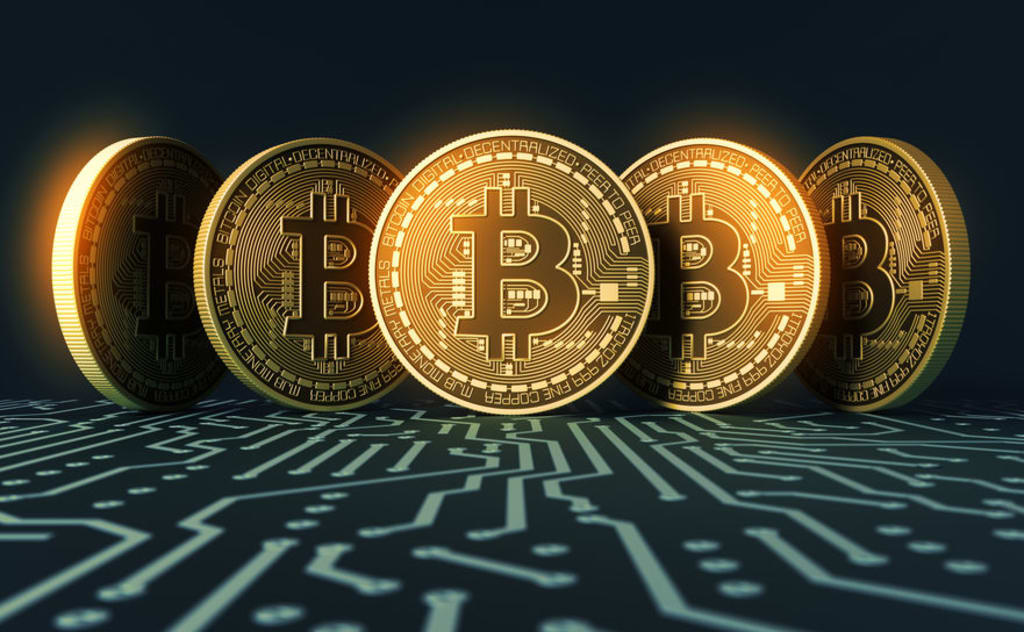
Crypto asset management refers to the process of managing digital assets, such as cryptocurrencies, tokens, and other blockchain-based assets, in a structured and secure way. With the rise of decentralized finance (DeFi) and the growing popularity of cryptocurrencies like Bitcoin and Ethereum, managing these digital assets has become a key concern for both individuals and institutions. Crypto asset management involves various tasks, including buying, selling, transferring, and securing these assets while maintaining a focus on maximizing returns and minimizing risks. Specialized platforms and services help investors track and optimize their crypto portfolios.
Key features
Effective crypto asset management is crucial due to the volatile nature of digital assets. Cryptocurrencies are highly susceptible to market fluctuations, regulatory changes, and security threats, which makes managing them complex. Without proper management strategies, investors may face losses or miss out on key opportunities for growth. By using professional crypto asset management tools, users can safeguard their investments, maintain portfolio diversification, and take advantage of automated services that help with tasks like rebalancing portfolios and identifying the best times to buy or sell assets. For institutions, managing large volumes of assets requires advanced solutions to ensure transparency and compliance.
Key Features of Crypto Asset Management Platforms
Crypto asset management platforms offer various features that simplify the process of overseeing digital investments. These platforms often include tools for real-time tracking of asset prices, portfolio performance analytics, and integration with multiple exchanges to facilitate easy transfers. Security features such as cold storage, multi-signature authentication, and encryption protocols ensure that digital assets are protected from cyber threats. Some platforms also offer algorithmic trading and automated portfolio rebalancing, allowing investors to execute strategies with minimal manual input. These tools are essential for investors looking to optimize their portfolios and make informed decisions.
The Role of Security in Crypto Asset Management
Security is one of the most critical aspects of crypto asset management. With billions of dollars stored in digital wallets, crypto assets are prime targets for hackers and cybercriminals. Effective management solutions must prioritize security measures such as multi-factor authentication, hardware wallets, and private key management. Some asset management services also offer insurance for digital assets, providing additional protection against loss or theft. As the crypto industry continues to grow, adhering to the best security practices is essential for preventing breaches and ensuring that users’ assets remain secure over time.
Benefits of Professional Crypto Asset Management
Professional crypto asset management services bring several benefits to both retail and institutional investors. These services provide expert knowledge of the crypto market, allowing for more informed decision-making and risk management. Additionally, they offer portfolio diversification strategies that balance different types of digital assets, reducing the potential impact of market volatility. Investors also benefit from advanced tools and analytics that give insights into market trends, price movements, and trading volumes. For institutions handling large sums, professional asset management ensures regulatory compliance, reporting accuracy, and secure storage, streamlining the process of managing complex crypto portfolios.
Challenges in Crypto Asset Management
Despite the benefits, managing crypto assets comes with its own set of challenges. Market volatility is one of the biggest issues, as prices can fluctuate dramatically within short periods. This unpredictability makes it difficult to maintain a stable portfolio without constant monitoring. Regulatory uncertainty is another challenge, as different countries have different rules regarding cryptocurrencies. Additionally, the risk of cyber attacks and security breaches is always present, requiring constant vigilance and strong security practices. Managing multiple wallets, exchanges, and blockchain networks can also be time-consuming and complicated without the right tools in place.
The Future of Crypto Asset Management
As cryptocurrency adoption grows, the demand for advanced crypto asset management solutions is expected to increase. Innovations such as decentralized finance (DeFi) platforms, automated trading systems, and artificial intelligence-based asset management tools will play a crucial role in shaping the future of the industry. Institutions are likely to increase their investment in cryptocurrencies, driving the development of more sophisticated management services tailored to large-scale investors. The future will also see tighter regulatory frameworks, ensuring that crypto asset management becomes more standardized and secure for both individual and institutional investors.
About the Creator
Blockchain in Intellectual Property: How It’s Changing Ownership, Protection, and Licensing
Introduction Intellectual property (IP) is one of the most valuable assets in the modern economy. From music, films, and books to patents, trademarks, and software code, creators and businesses rely on IP laws to protect their work. However, traditional intellectual property systems are often slow, expensive, and difficult to enforce—especially in the digital age.
By saif ullaha day ago in The Chain
Is Bitcoin a Good Investment? A Clear, Honest Look
Introduction Is Bitcoin a good investment? This question has been asked by beginners, professionals, skeptics, and institutions alike. Some see Bitcoin as the future of money. Others see it as risky and unpredictable. The truth lies somewhere in between.
By saif ullah3 days ago in The Chain




Comments
There are no comments for this story
Be the first to respond and start the conversation.