
Top Risk Mitigation Strategies in Supply Chain Management for 2024
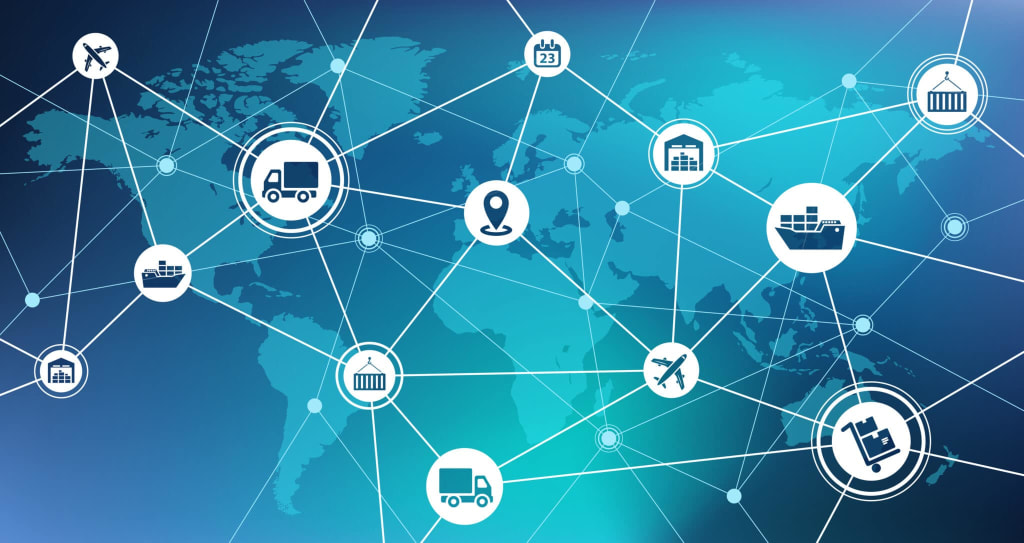
A complex supply chain with integrated risk mitigation strategies.
Introduction
In today's dynamic and interconnected global market, businesses face a plethora of challenges that can disrupt their supply chains. From natural disasters to geopolitical tensions, the risks are numerous and ever-evolving. Understanding risk mitigation strategies in supply chain management is crucial for ensuring business continuity and minimizing potential losses. This blog delves into the essential strategies every organization should consider to safeguard their operations and maintain a resilient supply chain.
Understanding Risk in Supply Chains
Supply chains are inherently vulnerable to various risks. These can stem from external factors like weather events, trade wars, or internal issues such as operational inefficiencies or supplier failures. The complexity of modern supply chains, which often span multiple countries and involve numerous stakeholders, only exacerbates these risks. To navigate these challenges effectively, businesses must adopt comprehensive risk mitigation strategies in supply chain management.
Why Risk Mitigation Strategies in Supply Chain Are Crucial
Implementing effective risk mitigation strategies in supply chain management can mean the difference between a minor hiccup and a major disruption. These strategies help businesses prepare for unforeseen events, reduce their impact, and recover more quickly. By proactively managing risks, companies can protect their reputation, avoid financial losses, and maintain customer trust.
Key risk mitigation strategies in the supply chain
1. Diversification of Suppliers
2. Strengthening Supplier Relationships
3. Implementing Advanced Technology
4. Creating a robust contingency plan
The Role of Technology's Place in Supply Chain Risk Reduction
How to Implement Risk Mitigation Strategies in the Supply Chain
1. Assess Your Current Risk Landscape
2. Develop a comprehensive risk management plan.
Benefits of Effective Risk Mitigation in the Supply Chain
Challenges in Implementing Risk Mitigation Strategies in the Supply Chain
ALSO READ: https://shopping-feedback.today/education/best-practices-in-supply-chain-management%3C/a%3E%3C/p%3E%3Cstyle data-emotion-css="14azzlx-P">.css-14azzlx-P{font-family:Droid Serif,Georgia,Times New Roman,Times,serif;font-size:1.1875rem;-webkit-letter-spacing:0.01em;-moz-letter-spacing:0.01em;-ms-letter-spacing:0.01em;letter-spacing:0.01em;line-height:1.6;color:#1A1A1A;margin-top:32px;}
What do supply chain risk mitigation solutions entail?
Why is it important to have risk mitigation strategies in supply chain management?
How does technology support risk mitigation strategies in supply chain management?
In an increasingly volatile global market, having robust risk mitigation strategies in supply chain management is more critical than ever. By diversifying suppliers, leveraging technology, and preparing for the unexpected, businesses can protect themselves from disruptions and maintain a resilient supply chain that supports long-term success. Recall that proactive preparation rather than reactive response is the secret to successful risk management.
About the Creator
Keep reading
More stories from sandhya sinha and writers in The Chain and other communities.
Boost Your Health with Nachni Satva: Key Benefits Explained
Introduction Nachni Satva, also known as Ragi Satva, is a highly nutritious food derived from ragi or finger millet. This ancient grain has been a staple in Indian diets for centuries, particularly in the southern and western regions of India. Renowned for its numerous health benefits, Nachni Satva is gaining popularity in health-conscious circles. This article explores the various benefits of Nachni Satva, its nutritional value, and why it should be a part of your daily diet.
By sandhya sinha2 years ago in Feast
How Cross-Chain NFT Marketplace Development Solves Scalability and High Gas Fee Issues
Single-chain NFT marketplaces, where users buy and sell NFTs on a single blockchain, may deal with problems such as network congestion, high transaction fees, and limited scalability. This is because single-chain NFT marketplaces are limited by the number of transactions that the blockchain can process. Cross-chain NFT marketplaces allow transactions and interactions between multiple blockchains, which can address limitations such as scalability, cost, and liquidity. Possible solutions to the challenges of existing NFT marketplaces include cross-chain technology such as cross-chain atomic swaps. Cross-chain NFT marketplace solutions ease NFT platform scalability across NFT markets, enabling creators and collectors around the world to access its services.
By Henry jamesa day ago in The Chain



Comments
There are no comments for this story
Be the first to respond and start the conversation.