
Tokenization Strategies for Startups and Enterprises: Building Value Through Digital Assets
Tokenization enables startups and enterprises to transform real-world assets and digital services into blockchain-based tokens, unlocking new models for funding, ownership, liquidity, and ecosystem growth.

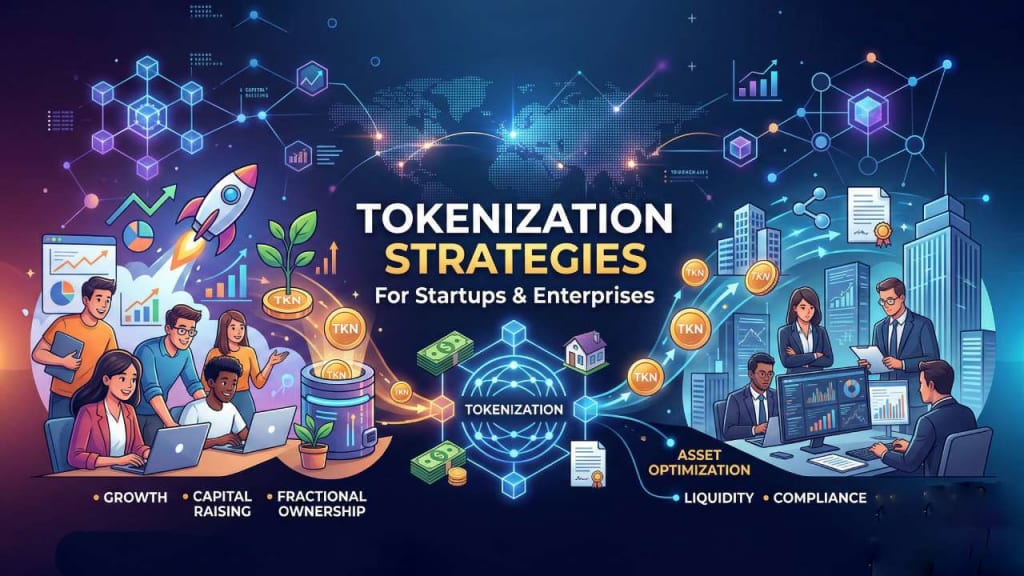
Digital assets are gradually redefining how businesses think about ownership, capital formation, and asset management. Over the past decade, blockchain technology has moved from experimental cryptocurrency networks into a broader infrastructure capable of representing real-world assets, intellectual property, financial instruments, and even governance rights in digital form. Tokenization, the process of converting rights to assets into blockchain-based tokens, is emerging as a powerful strategy for startups and established enterprises seeking new ways to raise capital, increase liquidity, and build more efficient ecosystems.
For startups, tokenization offers an alternative path to funding and user acquisition. Instead of relying solely on venture capital or traditional equity structures, companies can issue tokens that represent utility within a platform, governance rights, or fractional ownership in assets. This approach often aligns incentives between founders, users, and investors while enabling global participation.
Enterprises, on the other hand, view tokenization through a different lens. Large organizations are exploring how tokenized assets can streamline complex financial processes, create new digital markets, and reduce friction in cross-border transactions. Banks, asset managers, and corporations are increasingly experimenting with tokenized securities, commodities, real estate, and supply-chain assets.
However, the success of tokenization does not depend solely on technology. It requires a thoughtful strategy that balances business goals, regulatory frameworks, market demand, and long-term ecosystem design. Without a well-structured tokenization strategy, projects risk creating tokens that lack utility, suffer from low adoption, or face compliance challenges.
Understanding how startups and enterprises can design effective tokenization strategies is therefore essential for anyone seeking to build value through digital assets.
Understanding Tokenization in the Business Context
Tokenization refers to the creation of blockchain-based tokens that represent ownership, rights, or access to an underlying asset or service. These tokens exist on distributed ledgers and can be transferred, traded, or programmed using smart contracts.
While early blockchain projects primarily focused on cryptocurrencies, tokenization has expanded the concept into a broader economic framework where almost any asset can be represented digitally.
Businesses can tokenize a wide variety of assets, including:
- Financial securities such as equity or bonds
- Real estate ownership shares
- Commodities like gold or energy resources
- Intellectual property and digital content
- Platform utilities and ecosystem access rights
Unlike traditional digital records, blockchain tokens provide verifiable ownership and programmable logic. Smart contracts automate processes such as dividend distribution, governance voting, or compliance checks.
This capability allows tokenized systems to operate with greater transparency and efficiency. Instead of relying on intermediaries to verify transactions or enforce rules, blockchain networks embed these functions directly into the protocol.
For startups, tokenization often becomes a mechanism to bootstrap network effects. A token can reward early users, incentivize community participation, and create economic alignment within a digital platform.
For enterprises, tokenization introduces opportunities to digitize traditionally illiquid markets. Assets that were previously difficult to trade—such as commercial real estate or private equity—can be divided into fractional tokens and traded more easily on digital marketplaces.
The strategic question for businesses is not simply whether to tokenize assets, but how tokenization fits into a broader business model.
Why Tokenization Is Becoming a Strategic Tool for Businesses
The growing interest in tokenization is not purely speculative. It reflects fundamental changes in how digital infrastructure supports financial and economic activity.
Several structural advantages explain why tokenization is gaining attention across industries.
Expanded Access to Capital
Traditional fundraising models often limit participation to institutional investors or regional markets. Tokenized assets allow businesses to reach global investors through digital marketplaces, reducing geographic barriers to participation.
Startups, in particular, benefit from this shift. Instead of negotiating funding rounds with a small group of venture capital firms, companies can design token-based funding mechanisms that allow broader participation.
Increased Liquidity for Illiquid Assets
Many valuable assets remain difficult to trade due to high minimum investment thresholds or complex ownership structures. Tokenization allows these assets to be divided into smaller units, making them more accessible to investors.
For example, real estate tokenization platforms allow investors to purchase fractional ownership in properties, enabling liquidity that traditional real estate markets often lack.
Programmable Financial Infrastructure
Tokens are not merely digital representations of assets. They can include programmable rules that automate financial operations.
Smart contracts can manage dividend payments, interest distributions, governance voting, and compliance checks automatically. This reduces operational complexity and administrative overhead.
Transparent Ownership Records
Blockchain systems provide immutable records of transactions and ownership. This transparency helps reduce disputes, simplifies auditing, and improves trust between participants.
New Business Models and Ecosystems
Tokenization also enables entirely new economic models. Platforms can create decentralized marketplaces where users earn tokens for participating in services, contributing data, or providing liquidity.
These token-driven ecosystems often develop network effects that strengthen the underlying platform.
Together, these advantages explain why both startups and enterprises are experimenting with tokenization strategies across industries ranging from finance to supply chain management.
Key Types of Tokens Used in Business Strategies
Not all tokens serve the same purpose. Businesses typically design tokenization strategies around specific categories of tokens that align with their objectives.
Utility Tokens
Utility tokens provide access to products or services within a digital platform. They function as a form of internal currency that users spend to access features or participate in an ecosystem.
For example, decentralized storage networks often require users to pay fees in platform tokens to store or retrieve data.
Governance Tokens
Governance tokens allow holders to participate in decision-making processes within decentralized systems. Token holders may vote on protocol upgrades, funding allocations, or policy changes.
This model is widely used in decentralized finance platforms where community governance shapes the evolution of the protocol.
Security Tokens
Security tokens represent ownership in real-world financial assets such as company equity, debt instruments, or revenue-sharing agreements. These tokens typically operate within regulated frameworks similar to traditional securities.
Asset-Backed Tokens
Asset-backed tokens represent physical or financial assets, including real estate, commodities, or art. Each token corresponds to a share of the underlying asset, enabling fractional ownership.
For enterprises, asset-backed tokenization often focuses on unlocking liquidity from existing holdings.
Payment Tokens
Payment tokens are designed primarily as mediums of exchange within digital ecosystems. They function similarly to cryptocurrencies but may be integrated into specific platforms or marketplaces.
Understanding which type of token aligns with a company’s objectives is a crucial step in designing a sustainable tokenization strategy.
Designing a Tokenization Strategy for Startups
Startups often adopt tokenization as part of their growth strategy. Unlike traditional companies that focus on incremental innovation, startups can integrate tokens directly into their business models from the beginning.
However, successful token strategies require careful planning.
Defining Clear Utility
The most common mistake in early blockchain projects was creating tokens without meaningful utility. A token must serve a clear purpose within a platform’s ecosystem.
Examples of effective token utility include:
- Access to platform services
- Payment for transaction fees
- Governance participation
- Incentives for network contributors
A token that lacks functional value often struggles to maintain long-term adoption.
Aligning Incentives
Token economies must align incentives between different stakeholders. Founders, developers, investors, and users should all benefit from the growth of the ecosystem.
Poorly structured token distributions can create imbalances where early investors hold disproportionate influence or where users lack motivation to participate.
Designing Sustainable Tokenomics
Tokenomics refers to the economic structure governing supply, distribution, and incentives.
Startups must consider factors such as:
- Total token supply
- Distribution schedules
- Vesting periods for founders and investors
- Reward mechanisms for users
A well-designed token economy ensures that supply growth does not undermine the token’s long-term value.
Building Community Participation
Tokens often play a central role in community building. Early supporters may receive tokens as rewards for contributing to development, promoting the project, or providing liquidity.
This approach transforms users into stakeholders who actively support the platform’s growth.
Ensuring Regulatory Awareness
Regulatory considerations remain one of the most complex aspects of tokenization. Depending on how tokens are structured, they may fall under securities laws in many jurisdictions.
Startups must work with legal experts to ensure compliance with relevant regulations.
Tokenization Strategies for Enterprises
While startups often build token economies from scratch, enterprises usually integrate tokenization into existing systems.
Large organizations typically focus on efficiency improvements, asset digitization, and new financial products.
Asset Tokenization
Enterprises frequently begin their tokenization journey by digitizing existing assets.
For example:
- Real estate companies tokenize property ownership
- Commodity firms tokenize physical resources
- Asset managers tokenize investment funds
This approach allows organizations to improve liquidity and expand investor participation.
Supply Chain Tokenization
Tokenization can improve supply chain transparency by recording asset movement and ownership on blockchain networks.
Each stage of production or distribution can be represented by digital tokens that verify authenticity and traceability.
Industries such as agriculture, pharmaceuticals, and manufacturing are experimenting with tokenized supply chains to improve efficiency and reduce fraud.
Financial Market Infrastructure
Financial institutions are exploring tokenized bonds, equities, and funds. These instruments can settle transactions faster and reduce reliance on intermediaries.
Some banks have already issued tokenized bonds using blockchain networks to streamline settlement processes.
Digital Marketplaces
Enterprises may also develop digital marketplaces where tokenized assets can be traded.
These platforms can connect buyers and sellers globally while providing transparent records of ownership.
By integrating tokenized assets into existing markets, enterprises can create new revenue streams and attract broader participation.
Real-World Examples of Tokenization
Several real-world projects illustrate how tokenization strategies are being implemented across industries.
Real estate platforms have tokenized property investments, allowing investors to purchase fractional ownership in commercial buildings. These tokens can be traded on digital marketplaces, providing liquidity that traditional real estate markets often lack.
In the financial sector, asset managers have begun experimenting with tokenized investment funds. Blockchain-based fund tokens allow investors to subscribe, redeem, and trade shares with fewer intermediaries.
Commodity tokenization is another growing area. Companies have issued tokens backed by physical gold, enabling investors to hold digital representations of precious metals without managing physical storage.
Supply chain tokenization is also gaining momentum. Blockchain platforms are tracking agricultural products, pharmaceuticals, and luxury goods through tokenized systems that verify authenticity and origin.
These examples demonstrate that tokenization is not limited to experimental projects. It is increasingly integrated into real-world business operations.
Challenges and Risks in Tokenization
Despite its potential, tokenization also presents challenges that businesses must address carefully.
Regulatory Uncertainty
Different jurisdictions apply varying rules to digital assets. Businesses must navigate securities laws, taxation policies, and compliance requirements that may evolve over time.
Technical Complexity
Developing secure blockchain infrastructure requires specialized expertise. Poorly designed smart contracts or security vulnerabilities can expose projects to financial risks.
Market Adoption
Tokenized systems depend on network participation. Without sufficient liquidity or user engagement, tokenized assets may struggle to gain traction.
Custody and Security
Managing digital assets securely remains a major concern. Enterprises must implement robust custody solutions to protect tokens and private keys.
Addressing these risks is essential for building sustainable tokenization initiatives.
The Future of Tokenization in Business
Tokenization is still in its early stages, but its trajectory suggests a broader transformation in how assets are managed and exchanged.
Industry analysts increasingly view tokenization as a foundational component of digital finance. Financial institutions, technology firms, and regulators are exploring frameworks that integrate tokenized assets into existing markets.
For startups, tokenization will likely remain a powerful mechanism for building decentralized platforms and incentivizing community participation.
For enterprises, tokenization may become a standard tool for asset management, capital formation, and digital commerce.
As infrastructure matures and regulatory clarity improves, tokenized ecosystems could support new financial markets that operate with greater efficiency and accessibility.
Conclusion
Tokenization represents more than a technological innovation. It introduces a new framework for structuring ownership, incentives, and economic participation in digital ecosystems.
Startups use tokenization to build communities, align incentives, and create innovative funding models. Enterprises adopt tokenization to digitize assets, streamline operations, and expand access to investment opportunities.
However, the success of tokenization depends on strategic planning. Businesses must design tokens with clear utility, balanced economics, and regulatory awareness.
When implemented thoughtfully, tokenization strategies can unlock new forms of value creation. As blockchain infrastructure continues to evolve, digital assets are likely to become an increasingly important component of modern business strategies.
About the Creator
Keep reading
More stories from Jennifer Atkinson and writers in The Chain and other communities.
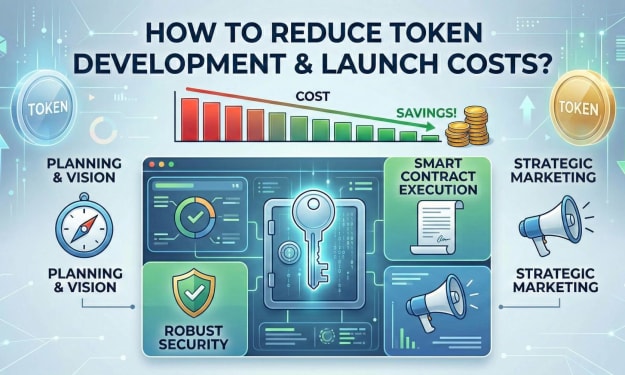
How to Reduce Crypto Token Development and Launch Costs?
Launching a crypto token often looks deceptively simple from the outside. Smart contracts can be deployed in minutes. Token standards are well documented. Marketing channels are accessible. Yet founders frequently discover that what seemed like a modest technical exercise turns into a six-figure undertaking. Development, audits, legal structuring, exchange listings, liquidity provisioning, branding, community management, and post-launch maintenance compound rapidly.
By Jennifer Atkinson6 days ago in The Chain
Crypto Coin: Architecture, Utility Models, and Market Dynamics Explained
The term Crypto coin refers to a native digital asset that operates on its own blockchain infrastructure, functioning as a medium of exchange, store of value, and programmable financial instrument. Unlike tokens that are deployed on existing chains, a Crypto coin underpins its network’s consensus, incentivization, and transaction validation layers. Understanding how a Crypto coin operates requires a multi-dimensional perspective that includes cryptographic security, economic design, governance structures, and regulatory implications.
By Siddarth D5 days ago in The Chain
The Power Behind Bitcoin
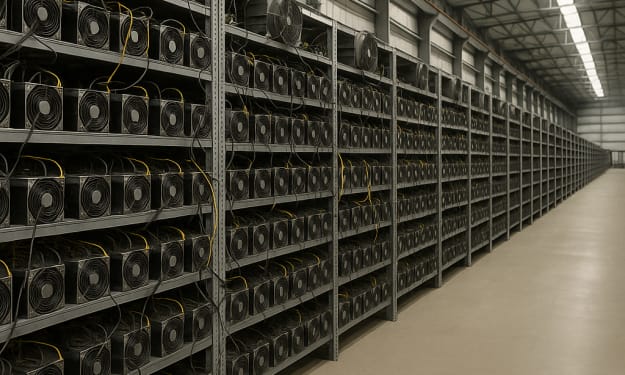
Bitcoin borrowed a word that does not belong to it. Mining sounds physical. It carries an image of dirt, steel, and effort. It suggests men who work in tunnels and move rock by the ton. When the public hears it, they picture a job that leaves a body tired in a way that makes sense. None of that exists in a modern Bitcoin facility. What you find instead is a heat-filled building lined with machines made for only one purpose. Each machine is a miner. One miner equals one computer. Thousands of them sit in rows, running without rest. Once a person understands that a miner is not a human but a device that never sleeps, the scale becomes easier to grasp. These machines fire through guesses at high speed. Each one is trying to match the one valid answer the network will accept. The winning machine earns the reward. All other miners (computers) try again. The entire operation is a probability race powered by electricity.
By Dr. Mozelle Martin6 days ago in The Chain


Comments
There are no comments for this story
Be the first to respond and start the conversation.