
Think Twice Before Eating a Wrapped Burger, Here's Why
Fast foods,
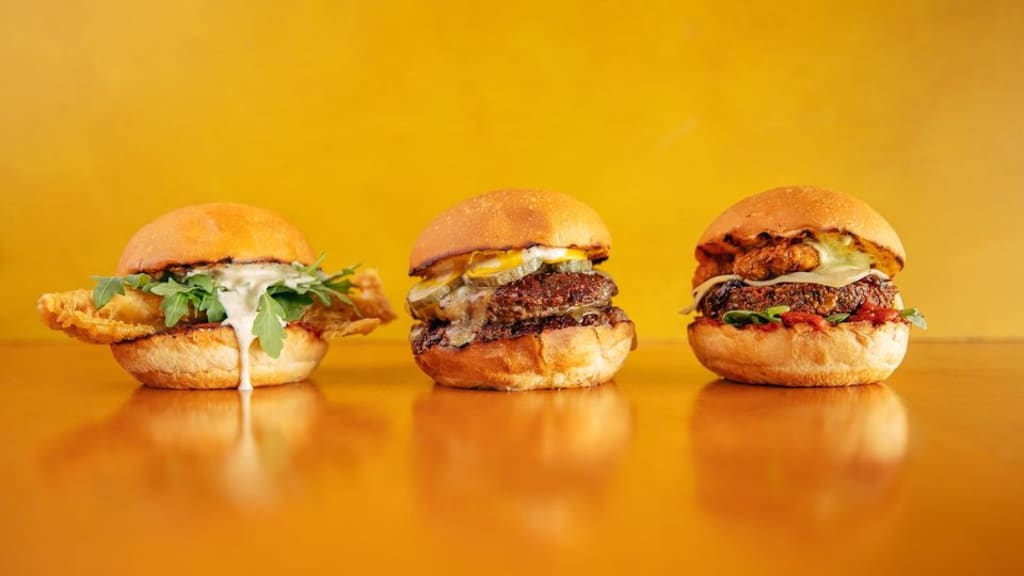
Today, we will uncover some secrets about fast food. By now, we have all learned that the food we receive never looks exactly like what we see in ads. But there is more to know about how fast food companies entice us to make purchases. They have a way of manipulating our brains and making us crave their products. Imagine walking into a food court and being greeted by the enticing smell of fresh-baked Cinnabon. While Cinnabon does bake their goods, the aroma that reaches your nose is not solely from the oven. Cinnabon bakeries strategically place their ovens near the front door to attract customers. In addition to the oven, the staff spreads baking sheets with sprinkled cinnamon and brown sugar, creating a sweet aroma that lingers in the air all day. These smells can make you feel hungry even when your stomach is not empty. This is an example of aroma marketing, where scents are used to make products irresistible.
Fast food chains also utilize the power of colors to lure customers. Think about the logos and interior colors of famous fast food restaurants. They often employ warm colors that activate your hunger and grab your attention. It's similar to how a traffic light or a stop sign catches your eye and makes you pause.
In the past, finding food required significant energy expenditure, such as hunting animals or gathering herbs. Nowadays, you can simply walk into a cafe around the corner and get your food within minutes. Fast food is inexpensive, readily available, and served quickly. This convenience is addictive, and fast food chains are aware of it. They know how our brains work and manipulate them to their advantage. For example, when asked if you want to upsize your meal, you're likely to say yes. Upsizing costs less, but you end up spending more than you intended. Pricing formats, dollar menus, and strategic placement of options are all part of the trick. The orbital frontal cortex in your brain takes control when there's a better deal among the options, and it can make you feel a sense of pain if you don't choose it. This can lead to unintended additional purchases.
Did you know that the paper used to wrap your burgers is grease-repelling? However, some studies have found that sandwich and burger wrappers from fast food chains may contain harmful chemicals like fluorine. This issue extends to dessert and bread wrappers as well as french fry sleeves. So, not only the fast food itself but also its packaging can be potentially harmful.
When you visit a drive-through, the machines can recognize your license plate and offer you similar options based on your previous purchases. Drive-throughs also often have cameras in place to monitor customer activity. Magnetic sensors or other devices notify the staff when a vehicle is present, allowing them to prepare for your order. However, rest assured that the employees are likely too busy to pay much attention to individual customers.
Have you ever wondered if the grilled lines on your burger are real? In many cases, they are not. Fast food chains add a solution or sauce with a grilled flavor to the meat and create the fake grill lines for aesthetic appeal. This allows them to achieve the desired look without actually grilling the meat.
Fast food is highly processed, and companies often add special chemicals to enhance the flavor and aroma of the food. This compensates for the loss of natural flavors that occur during the processing.
Self-serve kiosks in fast food restaurants are designed to upsell customers. Cashiers ask questions to encourage additional purchases. When using these kiosks, customers don't feel rushed or judged, leading them to spend about 20% more on average.
In some instances, fast food chains have faced controversies regarding the ingredients in their products. For example, a lawsuit was filed against one chain claiming that their tuna sandwich did not contain real tuna. Independent laboratory tests were conducted, and the results contradicted the ingredient claims made by the chain. These cases often require further investigation to determine the truth.
Nuggets, a popular fast food item, have been found to contain less chicken than expected. Scientific testing has revealed that they often consist of only 50% meat. Mechanically separated meat is a common ingredient in nuggets, contributing to the remaining product.
If you enjoy Dairy Queen's treats, it's worth noting that their soft-serve products technically don't meet the criteria for being considered ice cream. Dairy Queen's soft serve contains only 5% milk fat, while the FDA requires a minimum of 10% milk fat for a product to be labeled as ice cream. This information is openly disclosed on the company's website.
Discount coupons and free product offers are part of a marketing strategy to encourage customers to buy additional items. Many people who use coupons end up purchasing more expensive items alongside the free item, ultimately spending more than they initially intended.
Sometimes, individuals opt for healthier options at fast food chains without realizing that these choices may not be as healthy as expected. For example, a sauce chicken salad can have more calories than a regular burger. Additionally, healthier options often come at a higher price compared to regular items.
The fast food industry is vast and generates billions of dollars, which is why it is accompanied by a multitude of secrets behind the scenes. We've covered a range of these secrets, and it's fascinating to explore the tactics employed by fast food companies. After discussing all these details, you might find yourself craving a burger.
That's all for today! If you found this information intriguing, please like the content and share it with your friends. thank you
About the Creator
Habeeb Abiodun
Creative writer who loves the paranormal, fiction, mystery, articles, take a chance, you'll be thoroughly enterted.
Keep reading
More stories from Habeeb Abiodun and writers in The Chain and other communities.
There Is Water on Mars, But Can We Drink It?
This planet appears devoid of life, with a brick red and extremely dry surface reminiscent of a desert. However, upon reaching one of its poles, you encounter an seemingly endless ice cap. So, if you have been envisioning Mars as an exceedingly dry place, it may be time to reconsider. Scientists believe that Mars might have harbored abundant water in the past. They base this hypothesis on the discovery of ancient river valley networks, lake beds, and minerals and rocks that could have only formed in liquid water. It is even possible that Mars experienced catastrophic floods 3.5 billion years ago.
By Habeeb Abiodun3 years ago in Earth
Bitcoin Dominance Explained: What It Is & Why It Matters for Crypto Traders
Introduction Bitcoin dominance is one of the most watched indicators in the crypto market. It shows how much of the total cryptocurrency market value belongs to Bitcoin compared to all other cryptocurrencies combined. Traders, long-term investors, and analysts track this metric because it helps explain capital rotation, market sentiment, and risk appetite across crypto cycles.
By saif ullah3 days ago in The Chain
Bitcoin Price Shock: How the U.S. Treasury Secretary’s Crypto Moves Unleashed Market Turmoil
Introduction Bitcoin’s price has been on a rollercoaster in recent months, but few events hit as hard or as fast as the shockwaves triggered by comments and policy signals from U.S. Treasury Secretary Scott Bessent and broader Treasury actions. What should be a relatively stable cryptocurrency at the heart of the market instead saw dramatic volatility when government rhetoric intersected with trader expectations. From surprise endorsements to strategic reserve clarification missteps and geopolitical risk aversion, Bitcoin price shocks in 2025–2026 reveal a new era where government signals matter as much as on‑chain data and macro flows.
By saif ullaha day ago in The Chain
Smart phones, Humans and Aliens.
WARNING. I will be tapping into one of your favorite creative tensions: The absurdity of humans worshipping their glowing rectangles as if they were tiny oracles. There’s something deliciously poetic about that contradiction, and it lends itself beautifully to an instructive proviso.
By Novel Allen4 days ago in Poets




Comments
There are no comments for this story
Be the first to respond and start the conversation.