
Is Centralized Crypto Exchange Development the Right Choice for You?
Discover if centralized crypto exchange development suits your business with insights on benefits, challenges, and key considerations.

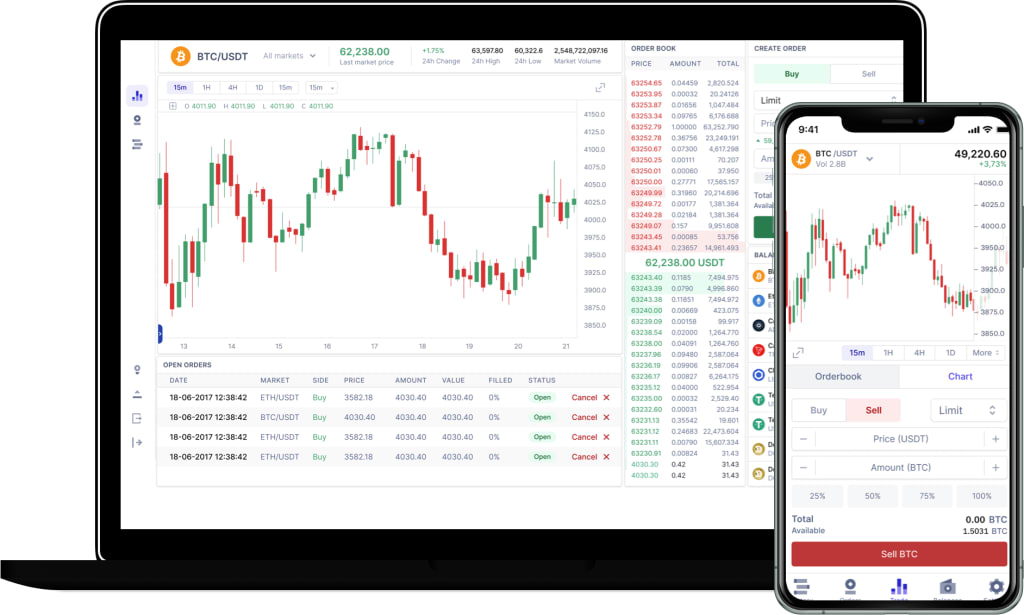
As cryptocurrency continues to grow in popularity, so does the demand for platforms that can facilitate seamless trading. One of the primary types of exchanges is a centralized crypto exchange (CEX), where a single entity oversees the platform, controls the order books, and ensures the smooth execution of trades. If you're considering developing a crypto exchange, it's crucial to determine whether a centralized approach is the best fit for your business. In this article, we’ll explore the benefits, challenges, and considerations involved in centralized crypto exchange development to help you decide if it's the right choice for you.
What is a Centralized Crypto Exchange?
A centralized crypto exchange is a platform where users can trade cryptocurrencies with the help of an intermediary, the exchange itself. The exchange acts as a trusted third party to match buy and sell orders. Popular centralized exchanges like Binance, Coinbase, and Kraken manage users' funds, data, and transactions in a centralized manner.
Key Benefits of Centralized Crypto Exchange Development
- Enhanced User Experience: One of the biggest advantages of centralized exchanges is their user-friendly experience. Since the platform manages all transactions and data, users don't need to worry about complex wallets or dealing with the intricacies of decentralized systems. Centralized exchanges offer intuitive interfaces, real-time trade execution, and easy-to-navigate dashboards, making them ideal for both beginners and experienced traders.
- Liquidity and Volume: Centralized exchanges typically have higher liquidity than decentralized exchanges (DEXs). The high trading volume means that users can easily buy or sell assets without significant price slippage. This is crucial for traders who want to execute large orders quickly and efficiently.
- Regulation and Security: While decentralized exchanges prioritize anonymity, centralized exchanges often comply with regulations and security protocols to build trust with users. By complying with Anti-Money Laundering (AML) and Know Your Customer (KYC) regulations, centralized exchanges can provide a safer trading environment. Moreover, with the ability to implement strong security measures like two-factor authentication (2FA) and encryption, centralized exchanges offer robust protection for users' funds and data.
- Access to Multiple Trading Pairs: Centralized exchanges support a wide range of cryptocurrencies and trading pairs, allowing users to trade between various assets seamlessly. This is especially important for traders who want to diversify their portfolio or engage in arbitrage trading.
- Faster Transactions: Centralized exchanges offer faster transaction times compared to decentralized platforms. This is because the exchange manages order books and can match trades in real-time, minimizing delays in order execution. This speed can be crucial in the fast-moving crypto market.
Challenges of Centralized Crypto Exchange Development
- Security Risks: One of the biggest drawbacks of centralized exchanges is the risk of hacks and security breaches. Since these exchanges hold large amounts of users' funds in centralized wallets, they are often prime targets for cybercriminals. While most centralized exchanges invest heavily in security measures, the risk remains higher than in decentralized systems, where users control their funds.
- Lack of Control for Users: In a centralized exchange, the platform holds custody of users' funds, meaning users must trust the exchange with their assets. This lack of control can be a concern for users who prioritize decentralization and autonomy. Users have to trust that the exchange will not freeze their accounts or mishandle their funds.
- Regulatory Hurdles: Although centralized exchanges comply with regulations, they also face increased scrutiny from government authorities. Depending on the region, operating a centralized crypto exchange may involve navigating complex regulatory requirements, which can be time-consuming and costly. Regulatory uncertainty can also affect the business's long-term viability, as sudden changes in the legal landscape can impact operations.
- High Operational Costs: Developing and maintaining a centralized crypto exchange can be expensive. You’ll need a team of developers, security experts, customer support personnel, and legal advisors to ensure the platform is running smoothly and in compliance with regulations. Additionally, you’ll need to invest in infrastructure, security systems, and marketing efforts to attract users. These operational costs can be substantial for new entrants.
- Dependence on a Single Entity: Since centralized exchanges are governed by a single organization, they can be more vulnerable to downtime, technical issues, or poor management. If the exchange experiences an outage or suffers from internal issues, it can impact all users on the platform, resulting in lost trading opportunities and customer dissatisfaction.
You Can Also Read: Why Decentralized Exchange Development is the Future of Cryptocurrency
Is Centralized Crypto Exchange Development Right for You?
Deciding whether to develop a centralized crypto exchange depends on several factors, such as your business goals, target audience, and resources.
- If you prioritize user experience and liquidity, a centralized exchange may be the right choice. The ease of use, fast transactions, and large volume of traders make it a strong option for attracting users.
- If you're willing to invest in security and regulation compliance, developing a centralized exchange can be a profitable venture. By offering features like strong security measures and compliance with regulatory standards, you can gain user trust and stand out in the market.
- If you have the resources to handle operational costs, the investment required for development and maintenance may be worthwhile if you aim to build a scalable, high-performance platform.
On the other hand, if you're more focused on privacy, decentralization, or low-cost operations, you might consider alternatives like decentralized exchanges.
Conclusion
Centralized crypto exchange development offers significant benefits, including ease of use, liquidity, and regulatory compliance. However, it also comes with its share of challenges, including security risks and high operational costs. By carefully weighing these pros and cons, you can determine if building a centralized crypto exchange is the right choice for your business. With the right strategy, expertise, and investment, a centralized exchange can help you capitalize on the booming crypto market and provide users with a reliable platform for trading.
About the Creator
Andrew Thomas
Hi, I'm Andrew Thomas, working at Debut Infotech, a leading blockchain development company. With a highly skilled team, we’ve built over 150+ platforms for startups and enterprises.
Keep reading
More stories from Andrew Thomas and writers in The Chain and other communities.
Why Decentralized Exchange Development is the Future of Cryptocurrency
The cryptocurrency world is evolving rapidly, and decentralized exchanges (DEXs) are emerging as game-changers in the market. Unlike centralized exchanges, which rely on intermediaries to manage transactions, decentralized exchanges operate on blockchain technology, enabling peer-to-peer trading without a central authority. But why is DEX development gaining so much traction? Let’s explore why decentralized exchange development is shaping the future of cryptocurrency.
By Andrew Thomasabout a year ago in The Chain
Blockchain in Intellectual Property: How It’s Changing Ownership, Protection, and Licensing
Introduction Intellectual property (IP) is one of the most valuable assets in the modern economy. From music, films, and books to patents, trademarks, and software code, creators and businesses rely on IP laws to protect their work. However, traditional intellectual property systems are often slow, expensive, and difficult to enforce—especially in the digital age.
By saif ullah2 days ago in The Chain
Is Bitcoin a Good Investment? A Clear, Honest Look
Introduction Is Bitcoin a good investment? This question has been asked by beginners, professionals, skeptics, and institutions alike. Some see Bitcoin as the future of money. Others see it as risky and unpredictable. The truth lies somewhere in between.
By saif ullah3 days ago in The Chain



Comments
There are no comments for this story
Be the first to respond and start the conversation.