
From Plate to Pixel: Unleashing the Power of NFTs in the Culinary World
In the digital age
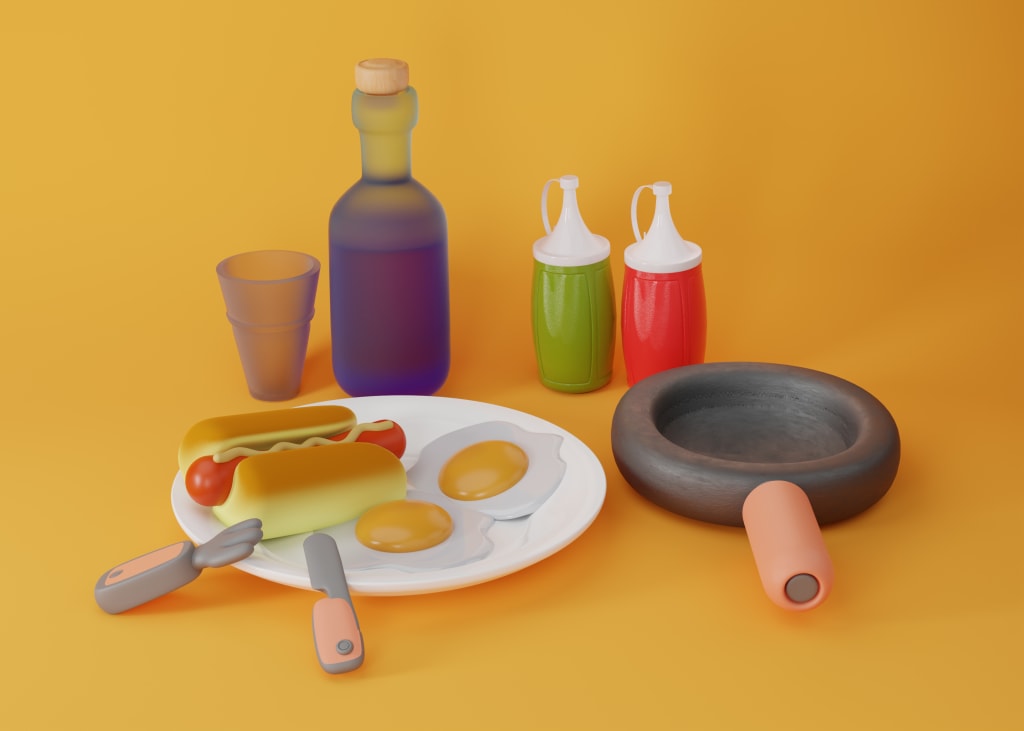
In the digital age, technology has revolutionized various industries, and the culinary world is no exception. One of the latest trends making waves in this domain is the rise of Non-Fungible Tokens (NFTs). These unique digital assets have opened up a whole new realm of possibilities for chefs, food enthusiasts, and artists alike. By bridging the gap between art and food, NFTs are transforming the way we experience and appreciate culinary creations. In this article, we will explore the exciting intersection of NFTs and the culinary world, and delve into the various ways in which NFTs are revolutionizing the industry.
NFTs: An Overview
Before we dive into their role in the culinary world, it is important to understand what NFTs are and how they function. NFTs are digital assets that are stored on a blockchain, a decentralized and transparent digital ledger. Unlike cryptocurrencies such as Bitcoin or Ethereum, NFTs are unique and cannot be exchanged on a like-for-like basis. Each NFT has its own distinct value and ownership, making it one-of-a-kind and irreplaceable. This uniqueness is what sets NFTs apart and gives them their inherent value.
Culinary NFTs: A Gourmet Revolution
The introduction of NFTs in the culinary world has sparked a revolution in how we perceive, create, and share food. Chefs and food artists are now exploring the possibilities of creating digital representations of their culinary creations in the form of NFTs. These digital assets can range from high-resolution photographs of dishes to immersive virtual reality experiences that simulate the taste, smell, and texture of food. By capturing the essence of gastronomy in a digital format, culinary NFTs are transforming the way we interact with food.
Authenticity and Provenance
One of the key advantages of NFTs in the culinary world is their ability to establish authenticity and provenance. With traditional art, it can be challenging to determine the originality and ownership of a piece. However, NFTs provide a solution to this problem by leveraging blockchain technology. Each culinary NFT is associated with a unique token that contains information about its creator, the date of creation, and any subsequent transfers of ownership. This transparency ensures that the original artist or chef receives proper recognition and compensation for their work.
Monetizing Culinary Creations
NFTs offer an exciting opportunity for chefs and food artists to monetize their creations in a whole new way. By minting their culinary creations as NFTs, they can sell them directly to collectors and enthusiasts. This allows for a direct relationship between the creator and the consumer, cutting out intermediaries and enabling artists to retain a larger portion of the proceeds. Additionally, through smart contracts embedded in NFTs, creators can earn royalties each time their NFT is resold in the secondary market, providing ongoing revenue streams.
Collecting and Trading Culinary NFTs
Just like art enthusiasts collect and trade traditional artwork, the emergence of culinary NFTs has introduced a captivating realm of collecting and trading for food enthusiasts. Now, collectors have the opportunity to possess exclusive digital representations of renowned dishes or limited-edition culinary experiences. This not only offers a novel source of enjoyment for food enthusiasts but also establishes a market for rare and valuable culinary NFTs. The introduction of an NFT Marketplace for Digital Assets allows for the exhibition and exchange of these digital assets, fostering a stronger sense of community among food enthusiasts.
Immersive Culinary Experiences
NFTs enable chefs and food artists to create immersive culinary experiences that transcend the boundaries of physicality. Through virtual reality (VR) or augmented reality (AR), users can embark on a gastronomic journey, exploring unique flavors, textures, and aromas in a digital environment. These experiences can be accessed from anywhere in the world, making them accessible to a global audience. By combining the art of cooking with cutting-edge technology, culinary NFTs are pushing the boundaries of culinary creativity and innovation.
NFTs and Food Sustainability
Beyond the realm of creativity and monetization, NFTs also have the potential to contribute to food sustainability efforts. By leveraging blockchain technology, NFTs can be used to track and trace the origin of ingredients, ensuring transparency and accountability in the food supply chain. This can help promote ethical sourcing practices, reduce food waste, and support local producers. Additionally, NFTs can be used to raise funds for charitable causes related to food security and sustainability, furthering the impact of culinary creations beyond the digital realm.
Conclusion
The intersection of NFTs and the culinary world has unleashed a world of possibilities, transforming how we perceive, create, and engage with food. From establishing authenticity and provenance to monetizing culinary creations and creating immersive experiences, NFTs are revolutionizing the industry. As this digital revolution continues to unfold, the culinary world stands at the forefront of embracing the power of NFTs. By bridging the gap between the plate and the pixel, NFTs have opened up a new chapter in culinary history, where art, technology, and gastronomy converge to create a truly unique and immersive experience for food enthusiasts worldwide.
About the Creator
Keep reading
More stories from osamu dazai and writers in The Chain and other communities.
The NFT Craze: Riding the Wave of Web 3.0 and Crypto Innovation
In recent years, the world has witnessed a revolutionary shift in the digital landscape. With the advent of Web 3.0 and the rise of cryptocurrencies, a new and exciting phenomenon has emerged: Non-Fungible Tokens, or NFTs. These unique digital assets have taken the internet by storm, captivating the attention of artists, collectors, and investors alike. In this article, we will delve into the NFT craze, exploring what NFTs are, how they work, and the impact they have on the art world, entertainment industry, and beyond.
By osamu dazai3 years ago in The Chain
Japan Suspends World’s Largest Nuclear Plant Hours After Restart
Japan has once again found itself at the center of a global energy debate after suspending operations at the world’s largest nuclear power plant just hours after it was restarted. The unexpected halt has reignited concerns about nuclear safety, operational readiness, and Japan’s long-term energy strategy as it balances climate goals with public trust.
By Muhammad Hassanabout 2 hours ago in The Chain



Comments
There are no comments for this story
Be the first to respond and start the conversation.