
Japan Suspends World’s Largest Nuclear Plant Hours After Restart
A Sudden Shutdown Raises Fresh Questions About Nuclear Safety and Energy Policy

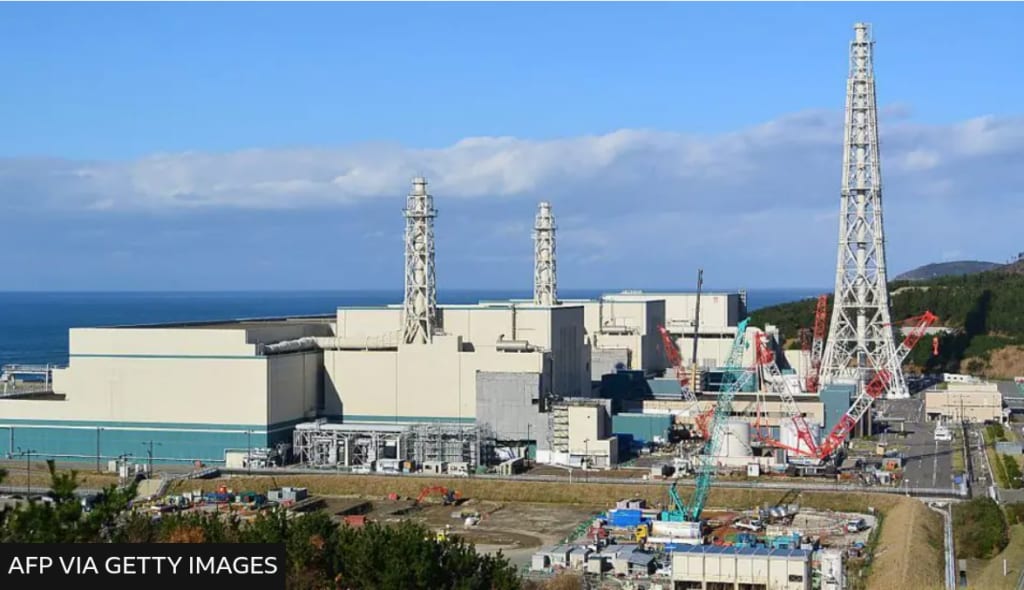
Japan has once again found itself at the center of a global energy debate after suspending operations at the world’s largest nuclear power plant just hours after it was restarted. The unexpected halt has reignited concerns about nuclear safety, operational readiness, and Japan’s long-term energy strategy as it balances climate goals with public trust.
The incident has drawn attention not only within Japan but also internationally, as countries watch closely how nuclear-reliant nations manage aging infrastructure and public safety.
What Happened at the Nuclear Plant?
The nuclear facility, located in Niigata Prefecture, had only recently resumed operations after years of safety reviews, upgrades, and regulatory scrutiny. The restart was seen as a major milestone in Japan’s efforts to bring nuclear energy back into its power mix following the 2011 Fukushima disaster.
However, within hours of resuming operations, operators detected an equipment issue during routine checks, prompting an immediate suspension of the plant. Officials stressed that there was no radiation leak and no danger to the public, but the abrupt shutdown raised eyebrows.
For many observers, the timing of the suspension—so soon after the restart—was troubling.
Why This Plant Matters So Much
This facility is considered the largest nuclear power plant in the world by capacity, making it a cornerstone of Japan’s energy infrastructure. When operating at full capacity, it can supply electricity to millions of households and significantly reduce reliance on fossil fuels.
Japan, which imports the vast majority of its energy resources, sees nuclear power as a way to:
Improve energy security
Reduce carbon emissions
Stabilize electricity prices
That is why each restart, delay, or shutdown carries enormous economic and political weight.
Japan’s Complicated Relationship With Nuclear Energy
Since the Fukushima Daiichi nuclear disaster in 2011, Japan’s relationship with nuclear power has been deeply uneasy. Public trust was severely damaged, leading to the shutdown of most nuclear reactors across the country.
Over the past decade, the government has gradually moved toward restarting selected plants that meet stricter safety standards. Each restart involves:
Extensive inspections
Local government approvals
Public consultations
Emergency preparedness upgrades
Despite these efforts, public skepticism remains high, especially when incidents like this occur.
Safety Concerns and Public Reaction
Although officials emphasized that the suspension was precautionary and posed no safety risk, many citizens remain unconvinced. Social media reactions and local commentary reflected frustration and concern, with some questioning whether the plant was truly ready to operate.
Residents near the facility have long expressed fears about evacuation plans, aging equipment, and transparency from operators. The sudden shutdown has reinforced worries that even heavily reviewed plants may still face operational uncertainties.
Trust, once lost, is difficult to rebuild—especially when it comes to nuclear energy.
Impact on Japan’s Energy Policy
The timing of this incident is particularly sensitive. Japan is under pressure to:
Reduce greenhouse gas emissions
Manage rising energy costs
Avoid power shortages during peak demand
With global fuel prices fluctuating and climate commitments looming, nuclear power plays a crucial role in the government’s strategy. However, repeated delays and suspensions complicate planning and weaken confidence among policymakers and investors.
Each failed restart forces Japan to rely more heavily on fossil fuels, increasing emissions and energy costs.
International Implications
Japan’s nuclear decisions are closely watched by other countries considering nuclear energy as part of their clean energy transition. The suspension highlights a broader global challenge: how to safely operate large, complex nuclear facilities in a post-disaster world.
Nations such as South Korea, France, and the United Kingdom face similar issues with aging reactors, public resistance, and rising safety costs. Japan’s experience serves as both a cautionary tale and a test case for how transparent and cautious nuclear restarts should be.
What Happens Next?
Plant operators and regulators are now conducting a detailed investigation to identify the cause of the issue. Restart approval will depend on:
Fixing the technical problem
Passing additional safety inspections
Reassuring regulators and local authorities
There is no clear timeline for when—or if—the plant will restart again. Any further delays could have ripple effects across Japan’s electricity grid, especially during high-demand seasons.
A Broader Debate About the Future
This incident has once again sparked debate about whether nuclear energy should remain a pillar of Japan’s energy future. Supporters argue that modern nuclear power is essential for reducing emissions and ensuring stable electricity supplies.
Critics counter that:
Risks remain too high
Renewable energy should be prioritized
Public opposition cannot be ignored
As renewable technologies improve and storage solutions advance, pressure is growing to rethink long-term reliance on nuclear power.
Final Thoughts
The suspension of the world’s largest nuclear plant just hours after its restart is a stark reminder of how fragile public confidence in nuclear energy remains—especially in Japan. While no immediate danger was reported, the incident underscores the technical, political, and emotional complexities surrounding nuclear power.
For Japan, the challenge is not only ensuring safety but also rebuilding trust. Without transparency, consistent performance, and clear communication, even the most advanced safety measures may fail to convince a cautious public.
As the investigation continues, the world will be watching to see whether this setback becomes a temporary pause—or a symbol of deeper issues in Japan’s nuclear revival.
About the Creator
Muhammad Hassan
Muhammad Hassan | Content writer with 2 years of experience crafting engaging articles on world news, current affairs, and trending topics. I simplify complex stories to keep readers informed and connected.
Keep reading
More stories from Muhammad Hassan and writers in The Chain and other communities.
Global Food Giant Eyes Growth and Job Creation in Pakistan
aPakistan is increasingly attracting the attention of global food giants looking to expand operations, tap into new markets, and create long-term economic value. With a growing population, rising urbanization, and increasing demand for packaged and processed food, the country has emerged as a promising destination for multinational food companies seeking sustainable growth.
By Muhammad Hassanabout 4 hours ago in The Swamp
Ethereum Mining: What It Was, Why It Ended, and What to Do Now
Introduction Ethereum mining was once one of the most popular ways Americans earned crypto. From home GPU rigs to large mining farms, thousands of people across the U.S. mined Ethereum as a side hustle, a business, or a long-term bet on crypto.
By saif ullah7 days ago in The Chain


Comments
There are no comments for this story
Be the first to respond and start the conversation.