
Painted in Crimson: The Power of Lips in Expression
How Our Lips Speak Louder Than Words Through Beauty, Emotion, and Identity
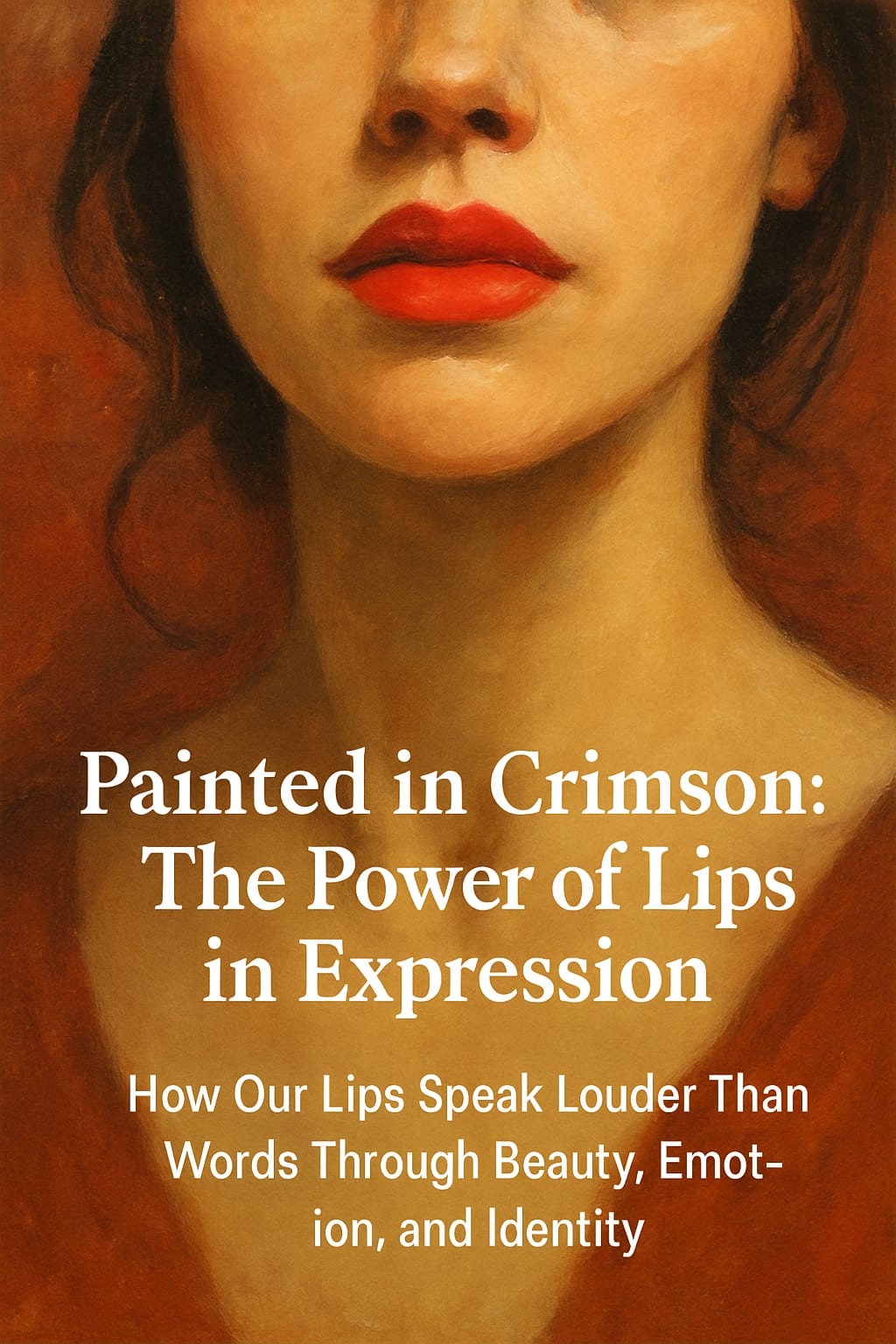
Introduction: More Than Just a Curve
Lips are one of the most expressive features of the human face. A smile, a frown, a pout, or a whisper—each carries meaning far deeper than it appears on the surface. Painted in crimson, they become even more powerful. Throughout history, crimson lips have symbolized beauty, confidence, rebellion, and self-expression. But beyond cosmetics, our lips are tools of emotion and communication, holding a unique space in human connection and culture.
In this article, we’ll explore the emotional, cultural, and artistic significance of lips—especially when painted red—and how they continue to be a symbol of power, femininity, resistance, and identity.
The Language of Lips
Before we even speak, our lips do the talking. From the first baby cry to the last spoken word, lips are central to vocal communication. But more than that, they express emotion silently. A trembling lip can show fear or sadness. A pressed, tight-lipped expression shows anger or control. A soft, parted mouth can reveal surprise, love, or vulnerability.
These subtle movements form part of what is called non-verbal communication. Often, we trust a person's lips and facial expressions more than their words. That’s why actors, models, and even politicians are trained to use their mouths and facial expressions effectively. The lips are not just functional—they are expressive tools.
A Stroke of Color, A Statement of Power
The moment red lipstick touches the lips, something changes. A bold red lip has always been more than a beauty choice—it’s a statement. Historically, red lips have swung between admiration and controversy. In ancient Egypt, both men and women used red pigment to color their lips. Cleopatra was said to create her red shades from crushed insects—proof that even then, red lips held allure and influence.
Fast forward to the 20th century, red lipstick became a symbol of strength and independence for women. During World War II, while men fought in battle, women wore red lipstick as a silent form of resistance and pride. It wasn’t just about looking good—it was about holding onto identity and confidence in hard times.
In modern times, celebrities and public figures wear red lipstick as a form of bold self-expression. It signals confidence, control, and empowerment. In fashion, it’s timeless. In politics, it’s symbolic. And in everyday life, it often becomes a woman’s favorite form of armor.
Cultural Meanings of the Lips
Different cultures assign different meanings to lips and lipstick. In some places, painted lips are considered elegant and traditional. In others, they might be seen as daring or even rebellious.
In Japan, geishas wear bright red lips as a traditional part of their makeup, contrasting against white-painted skin, forming a stylized look that dates back centuries. In Western cultures, red lips became iconic thanks to Hollywood stars like Marilyn Monroe, who used her crimson pout as a tool of charm and fame.
Meanwhile, in some conservative communities, wearing lipstick is discouraged or seen as vain. This shows how the simple act of painting lips can hold deep cultural and social meaning. It can signal belonging, rebellion, maturity, or freedom, depending on where and how it is done.
Lips in Art and Media
Lips have been a popular subject in paintings, photography, fashion, and advertising. The iconic “pop art” lips created by artists like Andy Warhol turned lips into a symbol of modern culture. In photography, a close-up of glossy lips often appears in beauty ads, drawing attention and creating desire.
Fashion designers also use the symbol of lips on clothes, accessories, and branding. The Rolling Stones’ famous logo—a pair of red lips with a tongue sticking out—is one of the most recognizable symbols in music history.
Even digital media now revolves around lips: emoji like 💋, selfies with pouty lips, and makeup tutorials about achieving the “perfect red lip” flood platforms like Instagram and TikTok. The fascination with lips, especially red ones, has only grown with time.
The Lipstick Effect: Psychology Behind Painted Lips
There’s a term in psychology called the “lipstick effect”. It refers to the idea that during tough economic times, people still buy beauty products—especially lipstick—as a small but powerful act of hope and personal care. When the world seems dark, a dash of red can feel like light. Wearing lipstick can boost confidence, improve mood, and change how others perceive you.
People associate red lips with health, youth, and vitality. Studies have shown that people wearing red lipstick are often seen as more attractive, confident, and capable. This doesn't mean beauty equals success—but it shows how small choices in appearance can influence both how we feel and how we’re seen.
Expression Beyond Gender
While red lips are most often associated with femininity, that idea is shifting. More and more men are wearing lipstick—especially in artistic, cultural, or drag performances. In fact, throughout history, men have used lip color, from ancient rulers to modern rock stars.
This shows that lips and lipstick are not limited by gender. They are tools of expression, art, and freedom. Whether someone wears lipstick or not, the lips remain one of the most expressive parts of the body, used by all humans to convey thought, emotion, and beauty.
Conclusion: Crimson as a Canvas
Lips are small, but they carry enormous power. Painted in crimson, they become even more potent—a bold symbol of beauty, identity, strength, and change. From ancient queens to modern influencers, the red lip has stood the test of time, proving again and again that it is more than makeup. It is a message.
Whether bare or boldly painted, our lips are central to how we communicate, how we feel, and how we express ourselves to the world. In a single smile, kiss, whisper, or stroke of lipstick, our lips speak volumes—without ever saying a word.
About the Creator
Idea hive
Article writer and enthusiast sharing insight and knowledge on nature, human behavior, technology, health and wellness, business, culture and society and personal development.
Eid Dressing Made Easy: Sharara Suits That Feel Light All Day
Eid is a long, beautiful day. From morning prayers and family visits to afternoon meals and evening gatherings, you’re on your feet, moving around, meeting people, and celebrating. That’s why, in 2026, women are choosing outfits that don’t just look festive, they feel easy from morning to night. And that’s exactly where sharara suits come in.
By Amit Mandal5 days ago in Styled
How To Dye A Wig?
Hey Sis! So you saw that fire honey-blonde balayage on TikTok, or maybe you’re feeling that midnight blue fantasy, but the thought of bleaching your own curls colored wigs has you saying, “Absolutely not.” I get it—our hair is our crown, and sometimes you don’t want to risk the throne.
By manman zhai5 days ago in Styled



Comments
There are no comments for this story
Be the first to respond and start the conversation.