
New Government Regulations Impacting the Textile and Apparel Industry: Challenges and Opportunities
Navigating Regulatory Shifts: How Government Policies are Transforming the Textile and Apparel Industry

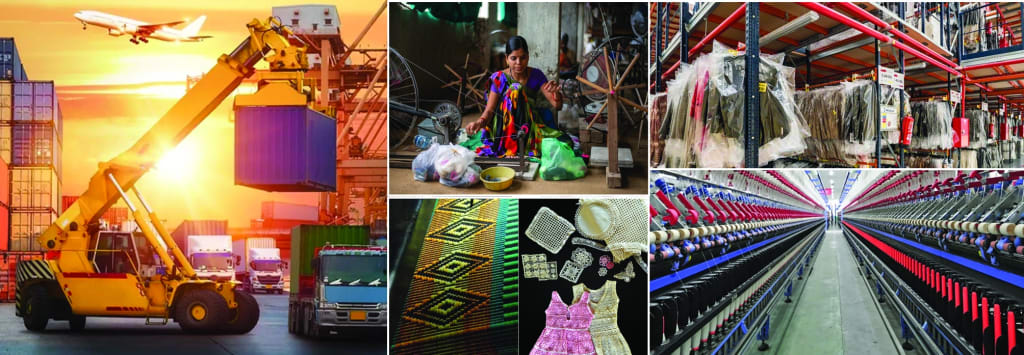
The textile and apparel industry is a vital sector of the global economy, providing employment to millions and contributing significantly to international trade. However, due to growing concerns over environmental sustainability, fair labour practices, and ethical sourcing, governments worldwide are implementing new regulations to ensure compliance with evolving standards. These regulations impact manufacturing, supply chains, trade policies, and sustainability efforts. For industry stakeholders, staying informed and adapting to these changes is crucial for long-term success.
1. The Growing Role of Government Regulations in Fashion
Governments are increasingly stepping in to regulate the textile and apparel industry. The objective is to reduce environmental impact, protect workers, and promote ethical business practices. These regulations focus on areas such as sustainability, fair wages, trade policies, and supply chain transparency. Brands, manufacturers, and retailers must comply with these evolving laws to avoid penalties and maintain a positive reputation in the market.
2. Sustainability Regulations and Environmental Compliance
The fashion industry is one of the largest contributors to pollution and resource depletion. In response, governments are enforcing stricter environmental laws to control waste, emissions, and the use of toxic chemicals. Key regulations include:
- Carbon Emission Caps: Many countries are imposing limits on carbon emissions from textile factories. The European Union’s Carbon Border Adjustment Mechanism (CBAM) requires companies to disclose their emissions and pay carbon taxes if they exceed set limits.
- Water Usage and Pollution Control: Governments are restricting the use of hazardous chemicals in textile dyeing and mandating wastewater treatment. The Zero Discharge of Hazardous Chemicals (ZDHC) initiative is gaining global support.
- Recycling and Circular Economy Policies: Extended Producer Responsibility (EPR) laws are being introduced, requiring brands to manage waste disposal and increase textile recycling efforts.
3. Ethical Labour Laws and Fair Wages
Labour laws are becoming stricter to ensure fair wages and safe working conditions for garment workers. Some of the most significant regulations include:
- Minimum Wage Adjustments: Many countries are increasing the minimum wage for textile workers to ensure fair compensation. Bangladesh, India, and Vietnam have introduced wage reforms in response to international pressure.
- Banning Forced and Child Labour: The U.S. Uyghur Forced Labour Prevention Act (UFLPA) bans the import of goods made with forced labour, particularly from regions like Xinjiang, China. The EU is considering similar legislation.
- Worker Safety Standards: Governments are enforcing stricter building safety and fire prevention measures in factories, particularly after incidents like the Rana Plaza collapse in Bangladesh.
4. Supply Chain Transparency and Due Diligence Requirements
Global brands are now required to ensure transparency in their supply chains to comply with legal frameworks such as:
- The German Supply Chain Due Diligence Act (LkSG): This law mandates companies to conduct due diligence on human rights and environmental risks in their supply chains.
- The EU Corporate Sustainability Due Diligence Directive (CSDDD): Companies operating in the EU must assess and address human rights and environmental risks in their supply chains.
- The U.S. Fashion Sustainability and Social Accountability Act: This legislation requires fashion companies to map out their supply chains and disclose their impact on the environment and labour rights.
5. Trade Policies and Import/Export Restrictions
Changes in trade policies have significant implications for textile manufacturers and brands. Some recent developments include:
- Tariffs and Trade Barriers: The U.S.-China trade war led to increased tariffs on apparel imports, prompting brands to diversify their sourcing to countries like Vietnam, India, and Bangladesh.
- Free Trade Agreements (FTAs): New FTAs, such as the Regional Comprehensive Economic Partnership (RCEP), reduce tariffs and encourage trade between participating nations.
- Bans on Specific Materials: Some countries are banning the import of textiles made with non-sustainable materials or produced using unethical practices. The EU is considering restrictions on fast fashion imports that do not meet sustainability standards.
6. Digital Compliance and Labelling Requirements
With the rise of online shopping and cross-border e-commerce, governments are implementing new regulations on product labelling and digital transparency, including:
- Mandatory QR Code Labelling: Some countries require brands to include digital labels (QR codes) that provide detailed product information, including origin, material composition, and environmental impact.
- Greenwashing Laws: Authorities are cracking down on misleading environmental claims. Brands must provide verifiable proof of sustainability certifications to avoid fines and legal action.
- Stricter Consumer Protection Rules: E-commerce platforms are subject to new laws requiring transparency in pricing, return policies, and product descriptions.
7. The Impact on Small and Medium Enterprises (SMEs)
While large corporations may have the resources to adapt to new regulations, small and medium-sized businesses (SMEs) face significant challenges. Key concerns include:
- Higher Compliance Costs: SMEs must invest in sustainable materials, ethical sourcing, and digital compliance measures, which can be expensive.
- Limited Access to Green Technologies: Many SMEs struggle to adopt eco-friendly production methods due to high costs.
- Opportunities for Growth: Despite challenges, businesses that embrace sustainable practices can gain a competitive advantage, attract eco-conscious consumers, and qualify for government incentives.
8. Opportunities for Innovation and Competitive Advantage
Although regulations present challenges, they also create opportunities for brands willing to innovate. Some key advantages include:
- Eco-Friendly Product Development: Sustainable textiles, biodegradable materials, and low-impact dyes are in high demand. Companies investing in these areas can differentiate themselves in the market.
- Technology Integration: AI-driven supply chain management, blockchain for transparency, and digital product passports are helping businesses comply with regulations while improving efficiency.
- Access to Green Financing: Many governments and financial institutions offer grants and low-interest loans to businesses investing in sustainability initiatives.
9. Future Trends in Textile and Apparel Regulations
Looking ahead, industry experts predict the following regulatory trends:
- More Stringent Carbon Emission Targets: Governments will continue pushing for carbon neutrality, forcing brands to adopt cleaner energy sources.
- Ban on Fast Fashion Waste: Some countries are considering banning fast fashion retailers that produce excessive waste. France has already introduced laws to prevent the destruction of unsold clothing.
- Stricter Regulations on Synthetic Fibbers: As microplastic pollution becomes a growing concern, regulations on polyester and other synthetic materials may increase.
10. How Businesses Can Adapt to Changing Regulations
To stay ahead in a rapidly evolving regulatory landscape, businesses should:
- Conduct Regular Compliance Audits: Ensuring adherence to labour laws, environmental standards, and trade regulations is essential.
- Invest in Sustainable Practices: Using eco-friendly fabrics, reducing waste, and implementing ethical labour policies can help brands stay compliant.
- Leverage Technology: AI, blockchain, and digital tracking tools can streamline compliance efforts and improve transparency.
- Engage with Policymakers: Participating in industry discussions and advocacy groups can help businesses influence policy changes and prepare for new regulations.
Conclusion
New government regulations are reshaping the textile and apparel industry, focusing on sustainability, ethical labour, and supply chain transparency. While these changes present challenges, they also open doors for innovation and responsible business practices. Companies that proactively adapt to evolving regulations will not only ensure compliance but also build stronger brands that align with consumer values and industry expectations.
By embracing sustainable production, leveraging technology, and staying informed about policy shifts, businesses can thrive in an increasingly regulated industry while contributing to a more ethical and environmentally responsible future.
About the Creator
textilenews
publisher
Keep reading
More stories from textilenews and writers in Styled and other communities.
The Evolution of Textile and Apparel Manufacturing in the Digital Age
The textile and apparel industry has undergone a dramatic transformation over the past few decades, fuelled by rapid advancements in digital technology. From traditional handcrafting techniques to automated production lines, the industry has continuously evolved to meet the growing demands of efficiency, sustainability, and innovation. The digital age has introduced revolutionary technologies, such as artificial intelligence (AI), automation, 3D printing, and blockchain, that are reshaping every stage of textile and apparel industry manufacturing.
By textilenews10 months ago in Styled
FREE THE NIPPLE. BURN THE BRA. APOLOGISE TO OUR SPINES.
There are few things in modern life as quietly infuriating as the social expectation that women should strap themselves into uncomfortable, restrictive underwear every single day for the emotional comfort of strangers. Not safety. Not warmth. Not even practicality. Comfort. Specifically men’s comfort. Because somewhere along the way, we collectively decided that a woman’s nipple is a public threat, while a man’s nipple is background furniture.
By No One’s Daughter7 days ago in Styled
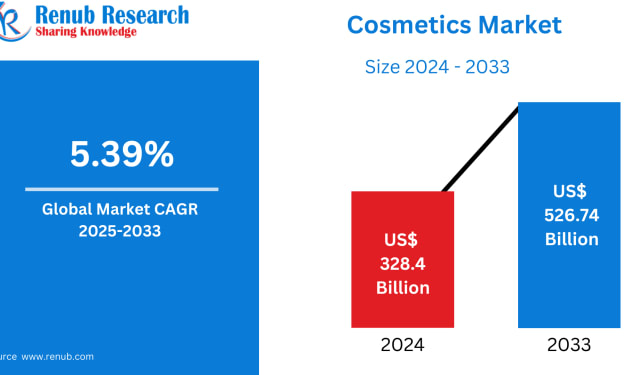
Global Cosmetics Market Size & Forecast 2025–2033
Introduction The global cosmetics market is undergoing one of the most dynamic transformations in its history. No longer defined solely by glamour and aesthetics, the modern beauty industry is increasingly driven by innovation, sustainability, digital engagement, and consumer awareness. From vegan formulations and personalized skincare to AI-powered beauty consultations and social commerce, cosmetics has become a powerful intersection of lifestyle, science, and identity.
By Marthan Sir7 days ago in Styled



Comments
There are no comments for this story
Be the first to respond and start the conversation.