
Global Cosmetics Market Size & Forecast 2025–2033
How Innovation, Sustainability, and Digital Beauty Are Redefining a US$526.74 Billion Industry


Introduction
The global cosmetics market is undergoing one of the most dynamic transformations in its history. No longer defined solely by glamour and aesthetics, the modern beauty industry is increasingly driven by innovation, sustainability, digital engagement, and consumer awareness. From vegan formulations and personalized skincare to AI-powered beauty consultations and social commerce, cosmetics has become a powerful intersection of lifestyle, science, and identity.
According to Renub Research, the Global Cosmetics Market is projected to grow from US$ 328.40 billion in 2024 to US$ 526.74 billion by 2033, registering a compound annual growth rate (CAGR) of 5.39% from 2025 to 2033. This growth reflects not just increasing demand for beauty products, but a deeper global shift in how consumers perceive self-care, wellness, and personal expression.
Global Cosmetics Market Outlook: 2025–2033
The cosmetics industry encompasses a broad spectrum of products, including skincare, makeup, hair care, fragrances, and personal grooming solutions. While historically centered around beauty enhancement, today’s cosmetics market is driven equally by wellness, confidence, and ethical consumption.
Market Size and Forecast (Renub Research)
2024 Market Size: US$ 328.40 Billion
2033 Market Size: US$ 526.74 Billion
CAGR (2025–2033): 5.39%
This steady expansion is being fueled by several high-impact trends:
Rising demand for vegan, cruelty-free, and organic cosmetics
Growing influence of social media, influencers, and celebrity branding
Expansion of e-commerce and direct-to-consumer beauty platforms
Increasing consumer focus on personal grooming, wellness, and self-image
The market’s evolution is also shaped by technological advancements, regional growth in emerging economies, and an expanding middle class with higher discretionary spending on personal care.
Understanding the Modern Cosmetics Industry
Cosmetics today serve a dual purpose: they are both tools of personal expression and products of wellness and self-care. The modern consumer no longer seeks only aesthetic enhancement but also demands safety, sustainability, inclusivity, and functionality.
From enhancing skin texture and tone to delivering anti-aging benefits and sun protection, cosmetics are increasingly aligned with dermatological science. Cultural shifts toward individuality, diversity, and authenticity have also reshaped product development—resulting in broader shade ranges, gender-neutral branding, and formulations tailored to diverse skin types and climates.
E-commerce has played a pivotal role in democratizing beauty. Online platforms enable global reach, product comparison, influencer-led marketing, and personalized recommendations. In parallel, rising health awareness has significantly boosted demand for clean beauty, natural ingredients, and eco-conscious packaging, ensuring that innovation remains at the core of the industry’s growth.
Top 5 Companies in the Global Cosmetics Market by 2033
1. Coty Inc.
Founded: 1904 | Headquarters: USA | Website: www.coty.com
Coty Inc. is a leading global manufacturer and marketer of fragrances, color cosmetics, and skin and body care products. Its diverse portfolio includes brands such as Bourjois, CoverGirl, Max Factor, Rimmel, Sally Hansen, and licensed luxury brands including Gucci, Calvin Klein, Burberry, and Kylie Cosmetics. Coty’s extensive global distribution network across prestige retailers, e-commerce platforms, supermarkets, and duty-free channels gives it a strong competitive edge.
2. Procter & Gamble (P&G)
Founded: 1837 | Headquarters: USA | Website: us.pg.com
P&G operates across multiple consumer goods categories, with its beauty and grooming segment anchored by globally recognized brands such as Olay, Pantene, Head & Shoulders, Gillette, and Braun. The company’s strength lies in its deep consumer insights, strong innovation pipeline, and expansive global supply chain, enabling it to deliver high-quality products at scale across both developed and emerging markets.
3. The Estée Lauder Companies Inc.
Founded: 1946 | Headquarters: USA | Website: www.elcompanies.com
Estée Lauder is synonymous with prestige beauty. Its brand portfolio includes Estée Lauder, Clinique, MAC, Bobbi Brown, Aveda, Origins, La Mer, and Dr. Jart+. The company’s strong presence in luxury retail, travel retail, and digital channels, combined with its focus on skincare innovation and premium branding, has positioned it as a global leader in high-end cosmetics.
4. Colgate-Palmolive Company
Founded: 1806 | Headquarters: USA | Website: www.colgatepalmolive.com
Although best known for oral care, Colgate-Palmolive has a strong footprint in personal care through brands such as Palmolive, Softsoap, Irish Spring, PCA SKIN, and EltaMD. Its emphasis on hygiene, skin health, and dermatological solutions has allowed it to integrate wellness into the cosmetics and personal care space, particularly in mass-market and dermatology-focused segments.
5. Johnson & Johnson Services Inc.
Founded: 1886 | Headquarters: USA | Website: www.jnj.com
Johnson & Johnson’s beauty and personal care presence stems from its healthcare-driven approach. Through brands and dermatology-backed products, the company combines cosmetic benefits with clinical credibility, offering solutions that prioritize skin health, safety, and therapeutic value—making it a trusted name among healthcare professionals and consumers alike.
Product Launches Shaping the Market
Revlon, Inc. – May 2023
Revlon introduced Revlon Color ‘N Care, a new hair color range that blends vibrant color with nourishment. The innovation lies in combining beauty and care in a single formulation, addressing consumer demand for damage-free styling. The availability in sachet formats further expands accessibility in price-sensitive and emerging markets.
Beiersdorf Group – October 2025
Beiersdorf announced the trademark “Tiaminduo®” in China for its patented skin-brightening ingredient, Tiaminduo® 630, the first inhibitor designed to target human tyrosinase and reduce melanin production at the source. With over 12 product variants across mass skincare, dermatology, premium beauty, and medical aesthetics, the launch highlights the industry’s growing emphasis on science-driven skincare innovation.
SWOT Analysis: Key Industry Leaders
Kao Corporation
Strengths:
Kao’s strongest asset is its advanced R&D capability, underpinned by dermatological science, sustainable formulation, and consumer research. Brands like Kanebo, Bioré, and Molton Brown enjoy high loyalty across Asia and Western markets. The company’s fusion of Japanese craftsmanship with global beauty trends allows it to consistently deliver high-quality, effective products.
Strategic Position:
Kao’s commitment to sustainability, scientific excellence, and premium branding ensures its competitive advantage in a market increasingly driven by conscious consumerism.
LVMH
Strengths:
LVMH dominates the luxury cosmetics segment through iconic brands such as Dior, Guerlain, Givenchy, and Fenty Beauty. Its expertise in brand storytelling, aspirational marketing, and premium retail experiences enables it to command strong pricing power and customer loyalty.
Strategic Position:
Backed by robust global distribution—including Sephora—and sustained R&D investments, LVMH remains a trendsetter in high-end skincare, makeup, and fragrance, setting benchmarks for innovation and luxury.
Recent Developments in the Global Cosmetics Market
Mary Kay Inc. – September 2025
Mary Kay launched “Miss Conceptions,” a bold digital series aimed at addressing brand myths and engaging younger audiences through humor and authenticity. The initiative reflects the growing importance of digital storytelling and community-driven marketing in attracting next-generation consumers and aspiring entrepreneurs.
L’Oréal S.A. – June 2025
L’Oréal announced plans to double its business in India, expanding manufacturing facilities for both domestic consumption and exports. With India emerging as one of the world’s fastest-growing beauty markets, this move highlights the strategic importance of Asia-Pacific and emerging economies in shaping future industry growth.
Sustainability as a Core Industry Pillar
Unilever PLC
Unilever’s sustainability strategy is deeply embedded in its “Compass” framework, targeting net-zero emissions by 2039, 100% recyclable or reusable packaging, and responsible sourcing of agricultural raw materials. Through circular economy initiatives and social impact programs, Unilever exemplifies how large corporations can integrate profitability with environmental stewardship and social equity.
Shiseido Company, Limited
Shiseido’s “Sustainable Beauty Actions” platform commits the company to net-zero carbon emissions by 2050, environmentally friendly packaging, reduced plastic usage, and ethical sourcing. Beyond environmental goals, Shiseido promotes gender equality, diversity, and community well-being—reinforcing the belief that the future of beauty must be both innovative and responsible.
Market Segmentation and Competitive Landscape
The Global Cosmetics Market is segmented across:
Product Categories: Skincare, Makeup, Hair Care, Fragrance, Personal Care
Distribution Channels: Retail stores, specialty beauty outlets, online platforms, direct-to-consumer
Price Segments: Mass, premium, luxury
Geographies: North America, Europe, Asia-Pacific, Latin America, Middle East & Africa
Key Companies Covered
Coty Inc., Procter & Gamble, Estée Lauder, Colgate-Palmolive, Johnson & Johnson, Revlon, Beiersdorf, Kao, LVMH, Mary Kay, L’Oréal, Unilever, Shiseido, Natura & Co, Henkel, PUIG, Avon, Amway, Chanel, and Oriflame.
Each company is evaluated on parameters including market share, business models, leadership, sustainability initiatives, product pipelines, SWOT analysis, and revenue strategies, offering a holistic view of the competitive ecosystem.
Future Outlook: Where Is the Cosmetics Industry Headed?
The period from 2025 to 2033 will define a new era for cosmetics. Key growth catalysts include:
Personalized Beauty: AI-driven skin diagnostics and custom formulations
Clean & Ethical Beauty: Vegan, cruelty-free, and transparency-driven product lines
Digital Commerce: Social shopping, influencer marketing, and virtual try-ons
Emerging Markets: Rapid growth in Asia-Pacific, Latin America, and Africa
Wellness Integration: Blending skincare with dermatology, health, and lifestyle
As consumers increasingly view cosmetics as an extension of wellness, identity, and sustainability, brands that align innovation with responsibility will dominate the next decade.
Final Thoughts
The Global Cosmetics Market, valued at US$ 328.40 billion in 2024, is projected to reach US$ 526.74 billion by 2033, growing at a 5.39% CAGR according to Renub Research. This growth is not merely numerical—it reflects a profound transformation in consumer behavior, technological integration, and corporate responsibility.
From luxury leaders like LVMH and Estée Lauder to sustainability champions like Unilever and Shiseido, the industry is redefining beauty through science, inclusivity, and environmental consciousness. With innovation, digitalization, and ethical practices at its core, the cosmetics market is set to remain one of the most influential and resilient sectors in the global consumer economy.
About the Creator
Marthan Sir
Educator with 30+ years of teaching experience | Passionate about sharing knowledge, life lessons & insights | Writing to inspire, inform, and empower readers.
Keep reading
More stories from Marthan Sir and writers in Styled and other communities.
Perfume Market Size and Forecast 2025–2033
Global Perfume Market Overview The global perfume market is experiencing a robust transformation, driven by evolving consumer preferences, rising disposable incomes, and the rapid digitalization of retail channels. According to Renub Research, the Perfume Market is expected to reach US$ 95.97 billion by 2033, up from US$ 56.66 billion in 2024, registering a healthy CAGR of 6.03% from 2025 to 2033.
By Marthan Sir21 days ago in Styled
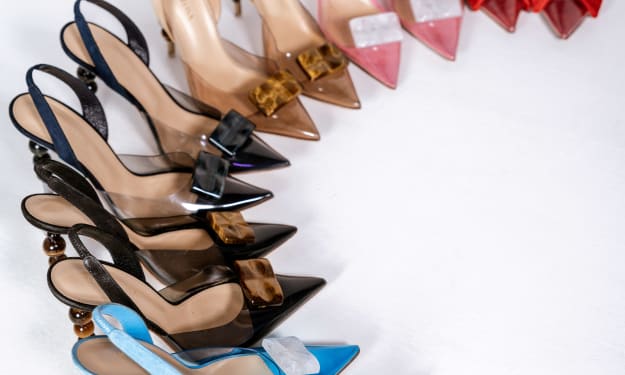
Top 10 Tigre Rosa Heels Loved by Fashion Influencers in 2026
Dubai’s fashion landscape in 2026 is all about statement design, craftsmanship, and meaningful luxury, and no brand captures this spirit quite like Tigre Rosa. Blending Italian artisanal footwear with symbolic aesthetics, Tigre Rosa heels have become a must-wear among fashion influencers, style icons, and trendsetters not just in the UAE — but across the global fashion scene.
By tigrerosaofficial4 days ago in Styled
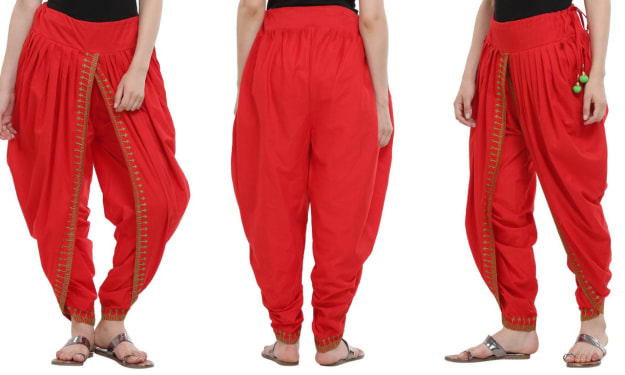
Dhoti Salwar for Haldi, Mehndi & Pre-Wedding Functions
Pre-wedding functions like haldi and mehndi are all about colour, movement, and comfort. These are the events where you sit on the floor, laugh a lot, get your hands painted, and stay dressed for hours. That’s exactly why, in recent years, dhoti salwar has become a favourite choice for these celebrations. It offers the festive feel of ethnic wear while staying easy to move in something every haldi and mehndi outfit should do well.
By Amit Mandal3 days ago in Styled


Comments
There are no comments for this story
Be the first to respond and start the conversation.