
The Evolution of Textile and Apparel Manufacturing in the Digital Age
Revolutionizing Fashion: How Digital Innovations Are Transforming Textile and Apparel Manufacturing

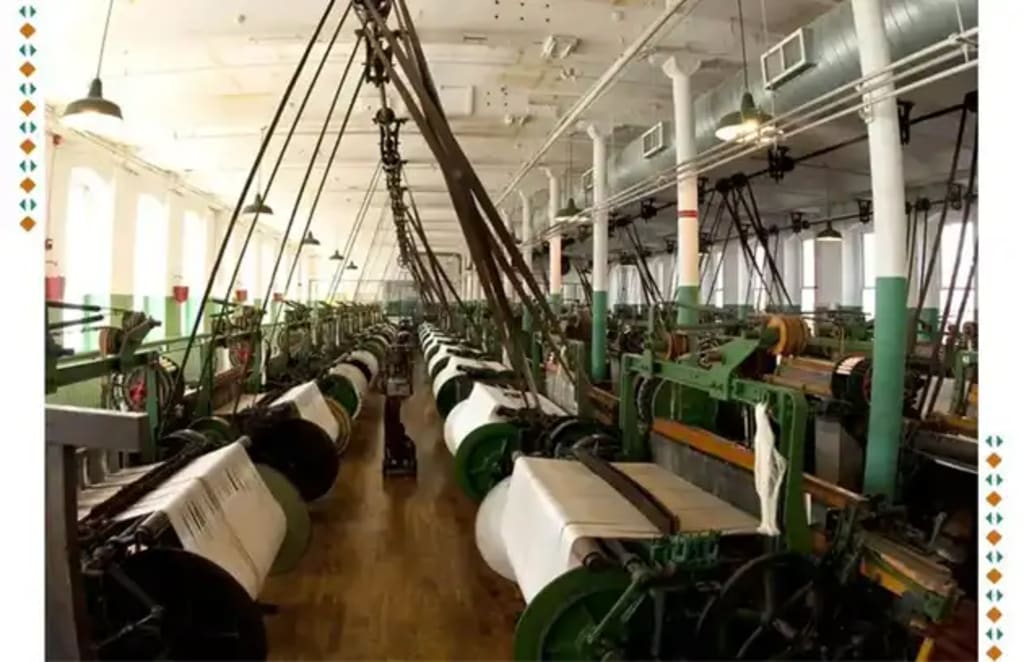
The textile and apparel industry has undergone a dramatic transformation over the past few decades, fuelled by rapid advancements in digital technology. From traditional handcrafting techniques to automated production lines, the industry has continuously evolved to meet the growing demands of efficiency, sustainability, and innovation. The digital age has introduced revolutionary technologies, such as artificial intelligence (AI), automation, 3D printing, and blockchain, that are reshaping every stage of textile and apparel industry manufacturing.
This article explores how digital innovations are revolutionizing the textile and apparel industry, enabling brands to enhance productivity, reduce waste, and meet the changing expectations of consumers.
1. The Shift from Traditional to Digital Manufacturing
Historically, textile and apparel manufacturing relied heavily on manual labour and conventional production techniques. The process was time-consuming, required significant resources, and often led to excess waste. However, the digital age has brought forth a wave of modernization, transforming production into a more efficient and sustainable process.
- Traditional Methods: Hand weaving, dyeing, and sewing were the primary techniques used in the past. While these methods offered craftsmanship and uniqueness, they were often slow and costly.
- Digital Transformation: Today, computer-aided design (CAD), automated machinery, and AI-driven processes have significantly improved precision, efficiency, and production speed.
2. The Role of Artificial Intelligence (AI) in Textile Manufacturing
AI has become a game-changer in the textile and apparel industry, optimizing everything from design to production.
- AI in Design & Trend Prediction: Advanced algorithms analyse market trends, social media insights, and historical sales data to forecast upcoming fashion trends. This helps designers create collections that align with consumer preferences.
- AI in Quality Control: AI-powered inspection systems detect defects in fabric production, ensuring higher quality standards and reducing waste.
- AI in Supply Chain Management: AI improves inventory management by predicting demand, preventing overproduction, and reducing excess stock.
Brands leveraging AI are not only improving efficiency but also enhancing the customer experience by offering personalized fashion recommendations.
3. Automation and Robotics in Textile Manufacturing
Automation has significantly reduced reliance on manual labour, improving production efficiency and accuracy.
- Sewing Automation: Robotic sewing machines, or "sewbots," can stitch garments with minimal human intervention, leading to faster production times and cost savings.
- Automated Cutting and Printing: Laser cutting and digital textile printing ensure precision and reduce material waste compared to traditional methods.
- Smart Factories: AI-integrated smart factories use IoT (Internet of Things) sensors to monitor equipment performance, detect errors, and optimize energy consumption.
The adoption of automation is making the industry more agile, cost-effective, and responsive to changing market demands.
4. The Impact of 3D Printing on Apparel Manufacturing
3D printing is revolutionizing apparel production by enabling on-demand manufacturing and reducing material waste.
- Customization: Consumers can design and order personalized garments with precise measurements, eliminating the need for mass production.
- Sustainable Production: Unlike traditional methods, which generate fabric waste, 3D printing only uses the exact amount of material needed for production.
- Innovative Materials: Researchers are developing biodegradable and recycled materials for 3D printing, further reducing environmental impact.
Brands like Adidas and Nike are already leveraging 3D printing technology to create high-performance footwear, proving its potential in the fashion industry.
5. Blockchain Technology for Transparency and Ethical Sourcing
The demand for ethical fashion has led to the adoption of blockchain technology in the textile and apparel industry.
- Supply Chain Transparency: Blockchain records every step of a garment’s journey, from raw material sourcing to final production, ensuring ethical practices.
- Authenticity Verification: Consumers can verify whether a product is genuinely sustainable or ethically made by scanning a QR code linked to a blockchain ledger.
- Fair Trade & Labour Rights: Blockchain helps brands prove that their workers are paid fairly and operate in safe working conditions.
By integrating blockchain, companies build trust with consumers and enhance brand credibility.
6. Smart Textiles and Wearable Technology
The fusion of textiles with digital technology has led to the emergence of smart fabrics and wearable technology.
- Health Monitoring Wearables: Clothing embedded with sensors can track heart rate, body temperature, and movement, benefiting athletes and healthcare patients.
- Self-Cleaning Fabrics: Advanced materials repel dirt and bacteria, reducing the need for frequent washing and extending garment life.
- Temperature-Regulating Clothing: Smart fabrics adjust to body temperature and external weather conditions, enhancing comfort and functionality.
These innovations are redefining the purpose of clothing, merging fashion with functionality.
7. Sustainable Practices in Digital Textile Manufacturing
Sustainability is a growing concern in the fashion industry, and digital advancements are helping brands minimize their environmental footprint.
- Eco-Friendly Dyeing Techniques: Digital printing and waterless dyeing processes significantly reduce water pollution caused by traditional dyeing methods.
- Recycled & Bio-Based Materials: Brands are investing in fabrics made from recycled plastics, organic cotton, and biodegradable fibbers.
- Waste Reduction Through Automation: AI-driven manufacturing ensures fabric optimization, reducing excess waste during production.
The combination of technology and sustainability is paving the way for a greener future in textile and apparel manufacturing.
8. The Rise of E-Commerce and Digital Fashion
The digital revolution has not only changed manufacturing but also transformed how consumers shop for apparel.
- AI-Powered Personalization: Online retailers use AI to recommend products based on browsing history, increasing customer engagement.
- Virtual Fitting Rooms: Augmented Reality (AR) technology allows shoppers to "try on" clothes digitally before making a purchase, reducing returns.
- Direct-to-Consumer (DTC) Model: Digital platforms enable brands to sell directly to consumers, cutting out middlemen and reducing costs.
With the rise of digital fashion and virtual clothing, the future of apparel shopping is becoming increasingly tech-driven.
9. Challenges and Future Prospects of Digital Textile Manufacturing
While digital technology has significantly improved the industry, challenges remain:
- High Initial Investment: Implementing AI, automation, and blockchain requires significant financial investment, which may be a barrier for smaller brands.
- Workforce Adaptation: As automation replaces manual labour, workers must be retrained to operate and maintain advanced machinery.
- Cybersecurity Risks: Digital platforms and blockchain systems require strong security measures to prevent data breaches and counterfeiting.
Despite these challenges, the future of textile and apparel manufacturing is undoubtedly digital. As technology continues to evolve, new innovations will drive further efficiency, sustainability, and customization in fashion.
Conclusion
The digital age has transformed the textile and apparel industry manufacturing industry, making it more efficient, sustainable, and innovative. Technologies like AI, automation, blockchain, and 3D printing are revolutionizing the way garments are designed, produced, and sold.
As the industry continues to embrace digitalization, brands must adapt to stay competitive while prioritizing ethical and sustainable practices. The future of fashion lies in the seamless integration of technology, sustainability, and consumer-centric solutions, marking a new era of digital textile manufacturing.
About the Creator
textilenews
publisher
Keep reading
More stories from textilenews and writers in Styled and other communities.
Home Textile Industry News: Growth and Challenges in 2025
The home textile industry has been evolving rapidly, driven by changing consumer preferences, technological advancements, and global economic shifts. As we step into 2025, the industry is witnessing substantial growth, with increasing demand for sustainable products, smart textiles, and innovative designs. However, challenges such as supply chain disruptions, rising costs, and environmental concerns also pose hurdles for manufacturers and retailers. This article explores the key trends, opportunities, and challenges shaping the home textile industry in 2025.
By textilenews10 months ago in Styled
Latest Women’s Fashion News: Trends Shaping Modern Style
Women’s fashion is undergoing a powerful transformation, shaped by changing lifestyles, global cultural influences, and a growing demand for individuality and responsibility. In recent years, fashion has moved beyond seasonal trends and has become a reflection of personal values, comfort, and confidence. The latest women’s fashion news highlights a dynamic industry where creativity meets practicality, and tradition blends seamlessly with modern innovation. From runways to street style, women’s fashion is redefining how style is perceived and worn across the world.
By duran lorena7 days ago in Styled
Cocktail Dresses That Are Chic, Comfortable, and Stylish
Cocktail attire has evolved to meet the needs of modern women who want to look polished without sacrificing comfort. Today’s chic cocktail dresses are thoughtfully designed to balance style, ease, and versatility—making them perfect for weddings, evening parties, receptions, and special celebrations.
By Style Sparksabout 2 hours ago in Styled
My New Book is Finally Here
My poetry collection Beautiful and Brutal Things is done. It's actually done and finally published over 270 pages. Over a year of my life went into this book. More than a year, really. Long days at my computer, sometimes seven days a week because I couldn't stop even when I probably should have. Then two months of editing that felt harder than the writing itself. But it's finished, and I'm still standing, and the book is real.
By Tim Carmichael3 days ago in BookClub



Comments (1)
Fascinating evolution! Great work!