
Knitting Industry News: Latest Trends, Innovations, and Market Insights for 2025
Knitting in 2025: Innovations, Sustainability, and Future Trends Shaping the Industry

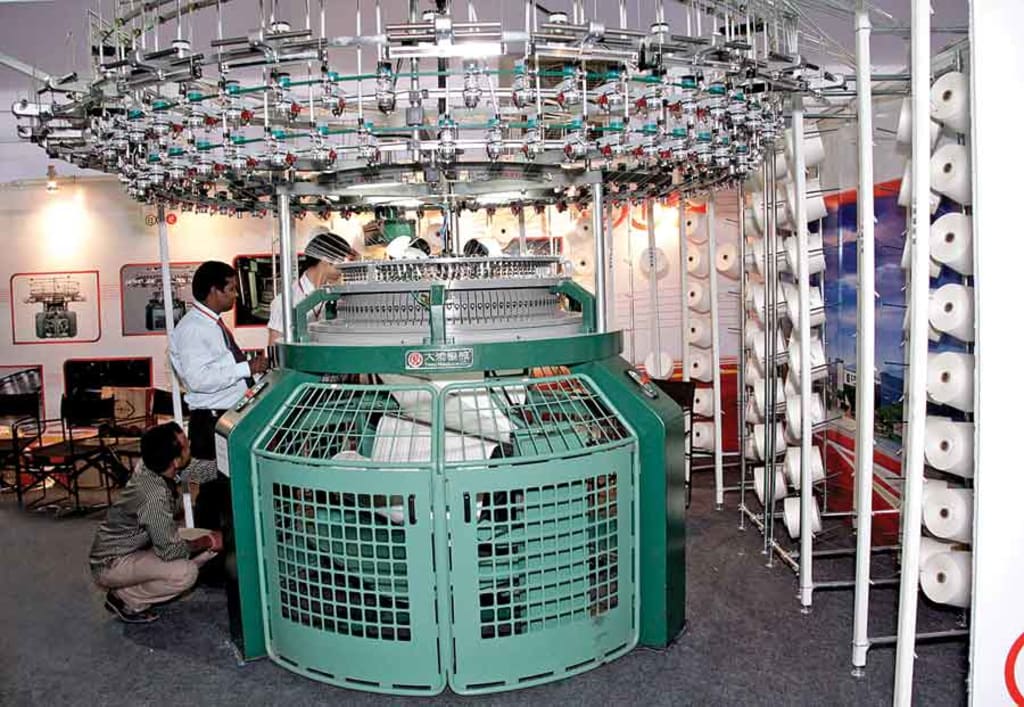
The knitting industry is evolving rapidly, driven by technological advancements, sustainability initiatives, and shifting consumer preferences. As we enter 2025, key trends are shaping the future of knitted textiles, from automated knitting machines to Eco-friendly yarns and AI-driven design solutions. This article explores the latest innovations, market insights, and industry trends that are redefining the knitting sector.
1. The Rise of Smart and Automated Knitting Technology
Automation continues to revolutionize the knitting industry, improving efficiency and reducing waste. Advanced knitting machines, such as computerized flatbed and circular knitting systems, are enabling faster production with minimal human intervention.
Key Innovations in Automated Knitting:
- AI-Powered Knitting Machines: Artificial intelligence is being integrated into knitting machines to optimize production, detect errors, and improve fabric consistency.
- 3D Knitting Technology: Seamless 3D knitting allows for the creation of entire garments without the need for cutting and sewing, reducing fabric waste and enhancing customization.
- Digital Twin Technology: Virtual simulations of knitting processes help manufacturers predict outcomes and make real-time adjustments to designs and fabric compositions.
2. Sustainable Materials and Eco-Friendly Yarns
Sustainability is a major driving force in the knitting industry, with brands and manufacturers seeking environmentally friendly alternatives to traditional materials.
Sustainable Trends in Knitting:
Recycled Yarns: The use of post-consumer and post-industrial recycled fibber's, such as recycled polyester and cotton, is increasing to minimize textile waste.
Bio-Based Fibber's: Innovations in bio-based materials, such as algae-derived yarns and mushroom-based textiles, are gaining popularity.
Water-less Dyeing Techniques: Eco-friendly dyeing technologies, including digital printing and CO₂ dyeing, are reducing water and chemical usage in the knitting process.
Zero-Waste Knitting: Seamless knitting and digital design solutions are helping reduce waste by optimizing yarn usage and eliminating excess material.
3. Fashion and Consumer Trends in Knitted Textiles
The demand for comfortable, functional, and sustainable knitwear is shaping the fashion industry in 2025. Consumers are prioritizing durability, ethical sourcing, and performance-based textiles.
Emerging Knitwear Trends:
- Athleisure and Performance Knitwear: The growing demand for active-wear has led to the rise of moisture-wicking, stretchable, and breathable knit fabrics designed for comfort and performance.
- Customization and Personalization: Brands are leveraging digital knitting techniques to create customized designs and fit-to-body garments.
- Luxury Knitwear Boom: Premium wool, cashmere, and alpaca knitwear are becoming more popular, driven by a consumer shift toward high-quality, long-lasting fashion.
- Gender-Neutral Knitwear: The rise of gender-fluid fashion is influencing knitted garment designs, with unisex silhouettes and inclusive sizing becoming more mainstream.
4. The Role of AI and Big Data in Knitting Industry Growth
Artificial intelligence and big data are transforming how businesses operate within the knitting sector, from predicting consumer trends to optimizing supply chains.
AI Applications in Knitting:
Predictive Trend Analysis: AI-driven tools analyse market trends, helping designers create knitwear that aligns with consumer demand.
Automated Quality Control: Smart sensors detect knitting defects in real time, improving efficiency and reducing waste.
Supply Chain Optimization: AI-powered inventory management ensures raw materials are used effectively, reducing costs and minimizing excess production.
5. Market Insights and Growth Opportunities in 2025
The global knitting industry is projected to experience steady growth in 2025, driven by increased demand for sustainable textiles and technological advancements.
Key Market Insights:
1. Growth in Circular Knitting Machines: The market for circular knitting machines is expanding due to rising demand for stretchable, seamless, and performance-based textiles.
2. Regional Market Trends:
- Asia-Pacific: The leading hub for knitting production, with major manufacturers in China, India, and Bangladesh investing in automation and sustainable practices.
- Europe: A strong market for luxury knitwear and innovative, sustainable yarns, with countries like Italy and France focusing on high-end production.
- North America: Growing demand for ethically sourced, locally produced knitwear, with an emphasis on transparency and fair labour practices.
3. The Rise of Direct-to-Consumer (DTC) Brands: More knitwear brands are bypassing traditional retail channels and selling directly to consumers through e-commerce, reducing costs and improving customer engagement.
6. The Future of Smart Textiles in Knitting
The integration of smart technology into knitted fabrics is opening up new possibilities for wearable technology and interactive clothing.
Advancements in Smart Knitted Textiles:
- Temperature-Regulating Fabrics: Knitted garments embedded with phase-change materials (PCMs) that adjust to body temperature.
- E-Textiles and Wearable Sensors: Conductive yarns and flexible electronics are being integrated into knitwear to create smart clothing with bio-metric monitoring capabilities.
- Self-Cleaning Knits: Nanotechnology is being used to develop water-repellent and antibacterial knit fabrics that require less frequent washing.
7. Challenges Facing the Knitting Industry
Despite its growth, the knitting sector faces several challenges that require innovative solutions.
Key Challenges:
- Supply Chain Disruptions: Global supply chain issues continue to impact raw material availability and production timelines.
- High Costs of Sustainable Materials: While Eco-friendly yarns are in demand, their higher production costs remain a barrier for many brands.
- Skilled Labour Shortages: The industry is facing a lack of skilled knitwear technicians, prompting increased investment in training programs and automation.
8. Conclusion: The Future of the Knitting Industry in 2025 and Beyond
The knitting industry is entering an exciting phase, driven by sustainability, technological advancements, and evolving consumer preferences. As automation, AI, and smart textiles continue to shape the industry, manufacturers and brands must stay ahead of emerging trends to remain competitive.
By embracing innovation, investing in sustainable practices, and leveraging technology, the knitting industry can look forward to a future that is more efficient, ethical, and aligned with the changing needs of consumers. The year 2025 promises to be a pivotal moment for the knitting world, setting the stage for further breakthroughs in textile production and fashion design.
About the Creator
textilenews
publisher
Keep reading
More stories from textilenews and writers in Styled and other communities.
Top Knitting Industry Articles to Read in 2025: Key Trends, Innovations, and Sustainability Insights
The knitting industry is evolving rapidly, driven by technological advancements, sustainable practices, and consumer demand for innovative and ethical fashion. As we move through 2025, staying informed about the latest trends and developments is crucial for businesses, designers, and knitting enthusiasts. This article highlights the top knitting industry articles you should read in 2025, covering everything from smart textiles and Eco-friendly yarns to automation and digital knitting techniques.
By textilenews11 months ago in Styled
How To Dye A Wig?
Hey Sis! So you saw that fire honey-blonde balayage on TikTok, or maybe you’re feeling that midnight blue fantasy, but the thought of bleaching your own curls colored wigs has you saying, “Absolutely not.” I get it—our hair is our crown, and sometimes you don’t want to risk the throne.
By manman zhai7 days ago in Styled
Wild Card Weekend Recap: What Happens Now?
I think I figured out why I love Wild Card Weekend so much. It's because it's the first playoff anything of the calendar year. The NFL season starts in the fall, and once upon a time, the champion was crowned either on or slightly before New Year's. The evolution of the NFL schedule has resulted in the playoffs starting just into the New Year, and currently, the final week of the season falls on the first weekend of the New Year, with Wild Card Weekend coming a week after that. So yes, chronologically, the NFL's Wild Card Weekend serves as the first playoff anything of the calendar year.
By Clyde E. Dawkins7 days ago in Unbalanced



Comments
There are no comments for this story
Be the first to respond and start the conversation.