
Revolutionizing the Knitting Industry: Latest Trends & Innovations in 2025
The Future of Knitting: Innovations Reshaping the Industry in 2025

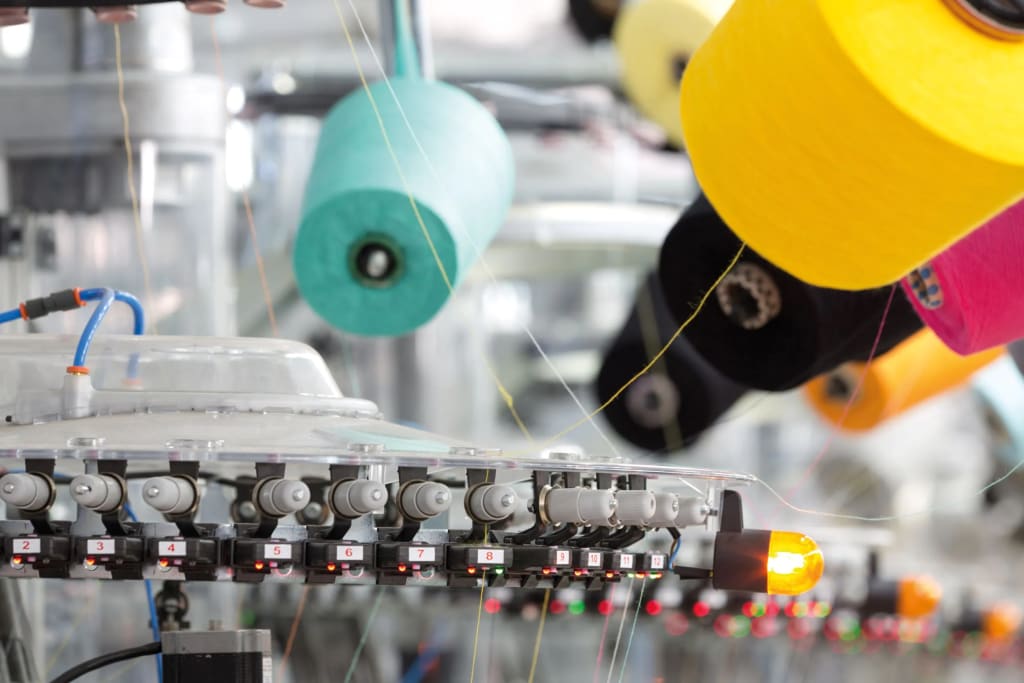
The knitting industry is experiencing a significant transformation as technology, sustainability, and consumer demand drive innovation. In 2025, advancements in knitting techniques, materials, and production methods are reshaping how knitted textiles are designed, manufactured, and consumed. From smart textiles to 3D knitting and AI-driven automation, the knitting sector is evolving into a more sustainable, efficient, and high-tech industry.
This article explores the latest trends and innovations revolutionizing the knitting industry in 2025, offering insights into how businesses and designers are adapting to this new era.
1. Smart Knitting Technologies and Automation
AI and Machine Learning in Knitting
Artificial Intelligence (AI) and machine learning are playing a pivotal role in optimizing knitting processes. Advanced AI-powered software can now predict defects, adjust tension settings, and enhance pattern accuracy in real-time. Automated knitting machines equipped with AI reduce material waste and improve production efficiency, allowing manufacturers to create high-quality products at lower costs.
Robotic and Automated Knitting Machines
Knitting machines have become increasingly automated, reducing the need for manual labour while increasing precision. Robotic knitting arms can now produce intricate and customizable designs with minimal human intervention. These machines are capable of adjusting stitch density, tension, and texture dynamically, ensuring a consistent final product.
2. 3D and Seamless Knitting Technologies
3D Knitting for Customization
3D knitting technology allows for the creation of garments and textiles without seams, reducing fabric waste and enhancing comfort. Unlike traditional knitting, 3D knitting machines can produce entire garments in one continuous process, eliminating the need for cutting and sewing. This technique is particularly useful for sportswear, medical textiles, and high-fashion pieces that require precision fit and durability.
Seamless Knitting for Comfort and Sustainability
Seamless knitting technology is revolutionizing active-wear, inner-wear, and medical garments. By eliminating seams, the garments offer enhanced flexibility, durability, and comfort. This innovation also reduces fabric waste and speeds up the production process, making it a popular choice for brands prioritizing sustainability.
3. Sustainable Materials and Eco-Friendly Practices
Recycled and Biodegradable Yarns
With sustainability being a major focus in 2025, knitting companies are increasingly using Eco-friendly materials such as recycled polyester, organic cotton, hemp, and biodegradable yarns. Innovations in fibber production have led to the development of plant-based and lab-grown fibbers, reducing the industry's reliance on synthetic materials.
Water-less and Low-Impact Dyeing Techniques
Traditional dyeing methods consume large amounts of water and chemicals. However, new eco-friendly dyeing techniques, such as digital printing and plant-based dyes, are making the knitting industry more sustainable. These methods reduce water consumption and minimize the release of toxic waste into the environment.
Zero-Waste Knitting
Brands are adopting zero-waste knitting techniques to minimize fabric waste. Unlike traditional cut-and-sew manufacturing, where fabric scraps are discarded, advanced knitting machines create garments with minimal waste by knitting fabric to exact specifications. This method reduces production costs and contributes to sustainability.
4. Smart and Functional Textiles
Wearable Technology in Knitting
Smart textiles are integrating electronic components into knitted fabrics, opening new possibilities in fashion, sportswear, and healthcare. Innovations include:
- Temperature-Regulating Knits: Fabrics that adjust to body temperature, providing warmth in cold weather and cooling in heat.
- Moisture-Wicking and Anti-Bacterial Fabrics: Ideal for active-wear, these materials keep users dry and odor-free.
- Health-Monitoring Textiles: Knitted garments embedded with sensors can track heart rate, muscle activity, and posture, benefiting athletes and individuals with medical conditions.
Self-Healing and Adaptive Textiles
New developments in self-healing fibbers allow knitted fabrics to repair small cuts and tears, extending the lifespan of garments. Additionally, adaptive textiles that change colour or texture based on temperature, moisture, or UV exposure are being explored in fashion and industrial applications.
5. AI-Driven Design and Personalization
AI-Assisted Pattern Generation
Artificial Intelligence is now being used to create unique knitting patterns based on consumer preferences. Designers can input specific style requirements, and AI algorithms generate pattern variations, offering limitless customization possibilities.
On-Demand and Custom-Fit Knitting
Consumers are increasingly demanding personalized products, and on-demand knitting technology is meeting this need. Advanced knitting machines allow for made-to-measure garments, reducing excess inventory and ensuring a perfect fit. This is particularly beneficial in luxury fashion and performance wear.
6. Digitization of the Supply Chain
Blockchain for Transparency
Blockchain technology is improving supply chain transparency in the knitting industry. Consumers can now trace the origin of materials, ensuring ethical sourcing and fair labour practices. This technology enhances trust between brands and consumers, particularly in the growing sustainable fashion market.
AI-Powered Inventory Management
AI-driven data analysis is helping knitting manufacturers optimize their supply chains. Predictive analytics reduce overproduction, minimize storage costs, and ensure that materials are sourced efficiently. This leads to reduced waste and improved profitability for businesses.
7. Innovations in Home Knitting and DIY Trends
Smart Home Knitting Machines
Home knitting has seen a resurgence, with smart knitting machines enabling DIY enthusiasts to create professional-quality garments. These machines are equipped with digital pattern libraries, allowing users to customize designs and automate complex knitting processes.
Knitting in the Met-averse and Digital Fashion
The rise of digital fashion is influencing knitting trends, with designers creating virtual knitted garments for online avatars and gaming platforms. Knitting brands are also entering the met-averse by offering virtual fashion experiences and NET-based digital clothing.
8. The Role of Knitting in Technical and Industrial Applications
Medical and Healthcare Textiles
Knitted fabrics are being used in medical applications such as compression garments, wound dressings, and bio-textiles. Advanced knitting technologies allow for the creation of seamless, breathable, and antimicrobial medical textiles that enhance patient comfort and recovery.
Knitted Structures in Architecture and Automotive
Knitting is expanding beyond fashion into architecture and automotive applications. 3D-knitted textiles are being used for lightweight, flexible, and durable upholstery in car interiors. Additionally, knitted structures in architecture are being explored for innovative building materials.
Conclusion
The knitting industry in 2025 is at the forefront of innovation, combining sustainability, technology, and creativity to reshape the way textiles are produced and consumed. From AI-driven design and automated manufacturing to smart textiles and sustainable materials, knitting is evolving into a more efficient and Eco-conscious industry.
With the rise of personalization, digital fashion, and functional textiles, knitting is no longer limited to traditional applications. Whether in high fashion, sportswear, healthcare, or industrial design, the industry is adapting to meet the changing demands of consumers and the environment.
As we move forward, embracing these technological advancements will be key to staying competitive in the rapidly evolving world of knitting. The future is bright, and the industry is knitting together innovation, sustainability, and style like never before.
About the Creator
textilenews
publisher
Keep reading
More stories from textilenews and writers in Styled and other communities.
Why Digital Fabrication Is the Future of the Textiles Industry: Innovations Reshaping Production and Sustainability
The textiles industry has long been driven by traditional manufacturing processes, but as the demand for efficiency, sustainability, and customization increases, digital fabrication is emerging as the future of textile production. Digital fabrication encompasses advanced technologies such as 3D printing, laser cutting, automated weaving, and AI-driven design, all of which are transforming the way fabrics are created, processed, and utilized. This shift is not only making production more precise and sustainable but also enabling greater creativity and personalization in the fashion and textiles industries.
By textilenews11 months ago in Styled
Why Do Burmese Curly Bob Wigs Get A Hit?
Let me holler at my sistas real quick: If you’ve been in the wig game for a minute, you know not all units are created equal. I’ve cycled through synthetic wigs that tangled after two wears, Brazilian hair that shed like crazy, and lace fronts that gave me a headache from all the glue. But then I tried a Burmese curly bob wig—and honey, it was a game-changer. These days, every time I link up with my girls, half of us are rocking Burmese curly wig styles, and for good reason. Let’s break down why so many of us are obsessed with Burmese curly bob wigs, straight from someone who’s made them my go-to for work, dates, and everything in between.
By manman zhai8 days ago in Styled
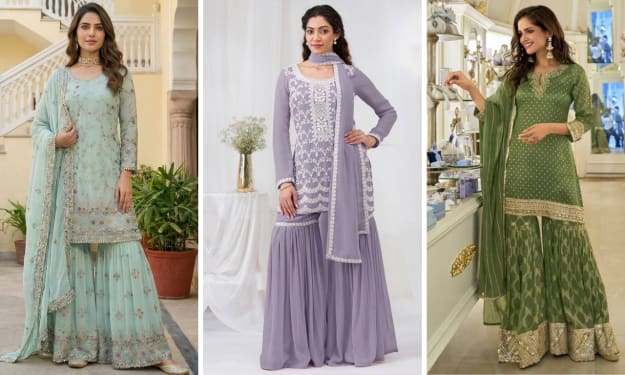
Eid Dressing Made Easy: Sharara Suits That Feel Light All Day
Eid is a long, beautiful day. From morning prayers and family visits to afternoon meals and evening gatherings, you’re on your feet, moving around, meeting people, and celebrating. That’s why, in 2026, women are choosing outfits that don’t just look festive, they feel easy from morning to night. And that’s exactly where sharara suits come in.
By Amit Mandal7 days ago in Styled


Comments
There are no comments for this story
Be the first to respond and start the conversation.