
Innovations in Knitting Technology Enhance Production Efficiency
Revolutionizing Textile Manufacturing: The Latest Innovations in Knitting Technology for Efficiency and Sustainability
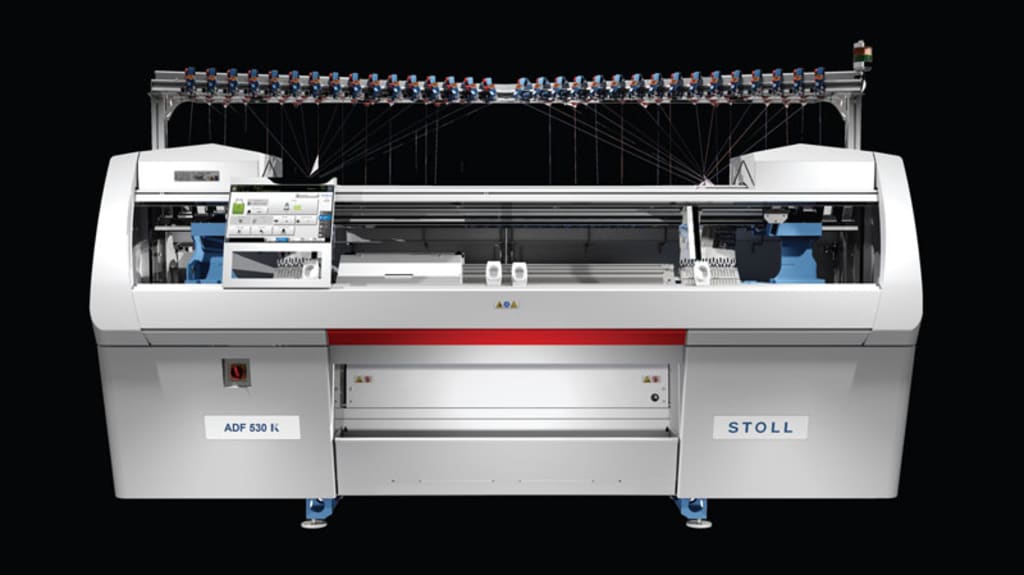
Knitting technology has undergone remarkable advancements, significantly improving the efficiency and sustainability of textile manufacturing. From automated knitting machines to 3D knitting and smart textiles, these innovations are reshaping the industry. Manufacturers now benefit from reduced production time, cost savings, and enhanced fabric quality. This article explores the latest innovations in knitting technology and how they contribute to increased production efficiency.
1. Smart and Automated Knitting Machines
- Modern knitting machines are equipped with artificial intelligence (AI) and automation features that enhance productivity.
- Automated machines reduce human intervention, minimizing errors and improving precision in knitting patterns.
- Features such as real-time monitoring, automatic tension control, and self-adjusting mechanisms allow for uninterrupted operation.
- These machines can detect defects early, reducing material waste and ensuring consistent product quality.
- The integration of IoT (Internet of Things) enables remote operation and data analytics, further optimizing production efficiency.
2. 3D Knitting Technology
- 3D knitting eliminates the need for cutting and sewing, allowing manufacturers to produce seamless garments.
- This technology reduces fabric waste and labour costs, making production more sustainable.
- It enables the creation of complex designs and patterns that were previously challenging to achieve.
- 3D knitting is widely used in sportswear, fashion, and medical textiles, as it provides better fit, durability, and comfort.
- Brands such as Nike and Adidas leverage 3D knitting for lightweight, performance-enhancing athletic wear.
3. CAD and Digital Design Integration
- Computer-Aided Design (CAD) software has revolutionized textile production by enabling precision in pattern creation.
- Digital design integration allows manufacturers to visualize and modify designs before production, reducing trial-and-error processes.
- CAD systems streamline workflow by automating design adjustments, ensuring accuracy in knitting patterns.
- The ability to simulate different textures and materials digitally saves time and resources.
- CAD also facilitates mass customization, allowing brands to produce personalized products efficiently.
4. Sustainable and Eco-Friendly Knitting Techniques
- The textile industry is adopting sustainable practices by using recycled and biodegradable yarns.
- Whole-garment knitting minimizes waste by eliminating excess fabric from cut-and-sew processes.
- Energy-efficient knitting machines consume less power, reducing the carbon footprint of textile production.
- Waterless dyeing techniques and low-impact finishing processes further contribute to environmental conservation.
- Brands committed to sustainability are incorporating organic fibbers and plant-based dyes into their knitting processes.
5. High-Performance Technical Textiles
- Knitting technology is now used to create technical textiles for industries such as healthcare, automotive, and sports.
- Advanced materials, such as moisture-wicking fabrics and temperature-regulating textiles, enhance user experience.
- The development of conductive yarns enables the integration of smart functionalities, such as biometric monitoring in clothing.
- Compression garments and medical textiles benefit from precision knitting, offering therapeutic benefits to users.
- The automotive industry uses knitted fabrics for lightweight, durable, and aesthetic car interiors.
6. Customization and On-Demand Manufacturing
- Consumers increasingly prefer personalized products, and knitting technology facilitates on-demand production.
- Digital knitting systems allow for rapid prototyping, reducing lead times for custom orders.
- Mass customization models enable manufacturers to produce garments tailored to individual body measurements.
- On-demand production minimizes inventory costs, as items are manufactured based on demand rather than bulk production.
- This approach is particularly beneficial for small-scale designers and brands looking to reduce overproduction and waste.
7. Robotics and Artificial Intelligence in Knitting
- Robotics and AI are playing a crucial role in improving knitting efficiency and reducing labour dependency.
- AI-driven machines can analyse historical production data to optimize machine settings for maximum output.
- Robotic knitting arms ensure precision in intricate designs, eliminating manual labour-intensive processes.
- Machine learning algorithms detect and correct defects in real time, enhancing quality control.
- The use of automation reduces production costs and allows manufacturers to scale operations effortlessly.
8. Circular Knitting Machines for Faster Production
- Circular knitting machines have gained popularity due to their ability to produce fabric at high speeds.
- These machines can create tubular fabrics, eliminating the need for additional stitching.
- Circular knitting enhances elasticity in fabrics, making it ideal for applications such as activewear and undergarments.
- Modern circular knitting machines have computerized controls, allowing for quick pattern changes and flexibility in design.
- They contribute to increased efficiency by reducing production time while maintaining consistent quality.
9. Smart Textiles and Wearable Technology
- The integration of smart textiles into knitting technology has opened new opportunities in fashion and healthcare.
- Wearable technology embedded with sensors can monitor body temperature, heart rate, and other health indicators.
- Sportswear brands use smart textiles to enhance athletic performance and recovery.
- Innovations in electro-conductive knitting allow for the seamless integration of electronics into fabrics.
- The future of smart textiles includes self-cleaning, colour-changing, and energy-harvesting fabrics.
10. Digital Printing and Knitting Combination
- Combining digital printing with knitting technology enhances design possibilities.
- Digital printing allows for high-resolution graphics and intricate patterns on knitted fabrics.
- This combination enables unique textures and multi-colour designs without compromising fabric flexibility.
- Manufacturers can create limited-edition products efficiently with minimal setup time.
- Digital printing reduces dye waste and allows for eco-friendly production processes.
11. Future Trends in Knitting Technology
- The knitting industry is expected to further embrace automation and AI-driven production methods.
- Advancements in sustainable fibber's, such as bioengineered silk and lab-grown textiles, will enhance eco-friendly knitting.
- Smart factories with fully automated knitting systems will increase production capacity and efficiency.
- The development of 4D knitting, where textiles change shape based on external stimuli, will redefine functional clothing.
- The rise of blockchain in textile supply chains will improve transparency and traceability in knitting production.
Conclusion
Innovations in knitting technology have significantly enhanced production efficiency by reducing costs, improving quality, and minimizing waste. The adoption of AI, robotics, 3D knitting, and sustainable practices has transformed the textile manufacturing landscape. As technology continues to evolve, the knitting industry will witness further advancements that cater to the growing demand for customized, high-performance, and eco-friendly textiles. Manufacturers who embrace these innovations will gain a competitive edge in the ever-changing textile market.
About the Creator
Keep reading
More stories from nick rodas and writers in Styled and other communities.
Robotic Knitting Machines Enhancing Production Speed
The textile manufacturing industry has witnessed ground-breaking advancements in recent years, with robotic knitting machines revolutionizing production speed and efficiency. These cutting-edge machines integrate automation, artificial intelligence (AI), and precision engineering to optimize the knitting process, ensuring faster turnaround times and higher-quality output. Traditional knitting methods, which relied on manual labour and semi-automated processes, are now being replaced by fully robotic knitting systems capable of producing complex patterns and garments with minimal human intervention.
By nick rodas10 months ago in Styled
The Biggest Oscar Nominations Snubs and Surprises in 2026
Every year when the Academy of Motion Picture Arts and Sciences unveils its Oscar nominations, the film world collectively holds its breath. The 98th Academy Awards are no exception. The 2026 nominations, announced on January 22, sparked intense discussion, with astonishing inclusions, baffling omissions, and historic achievements that captivated audiences and critics alike. With Sinners breaking records and beloved performers left off the ballots, this year’s list reflects both the Academy’s evolving tastes and the unpredictable nature of awards season.
By Salaar Jamaliabout 8 hours ago in Styled




Comments
There are no comments for this story
Be the first to respond and start the conversation.