
How AI-Powered Forecasting Is Helping the Apparel Industry Reduce Waste
AI-Powered Forecasting: Transforming Fashion with Sustainability and Efficiency

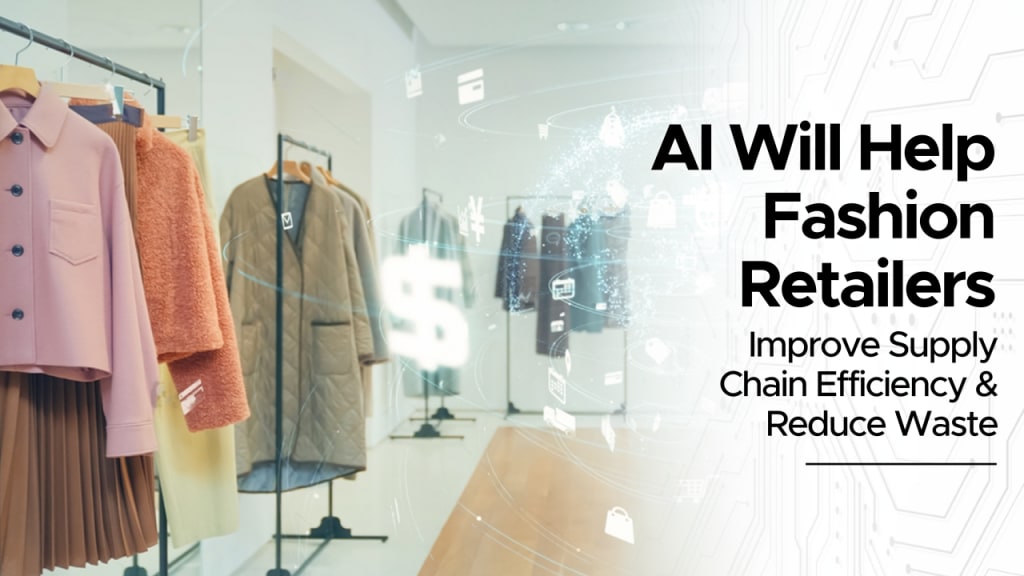
The apparel industry has long struggled with overproduction, leading to significant waste, unsold inventory, and environmental damage. However, the integration of artificial intelligence (AI) in demand forecasting is revolutionizing the way brands predict trends, manage inventory, and minimize waste. AI-powered forecasting leverages vast amounts of data, machine learning algorithms, and predictive analytics to create more accurate demand predictions. This technology is not only reducing excess production but also improving profitability, sustainability, and overall efficiency in the fashion industry.
1. The Problem of Waste in the Apparel Industry
Fashion is one of the most wasteful industries in the world, with millions of tons of clothing discarded each year. Key reasons for this waste include:
- Overproduction: Brands often produce more than they can sell, leading to excess inventory that is either discounted, incinerated, or dumped in landfills.
- Unpredictable Consumer Demand: Traditional forecasting methods rely on historical sales data and intuition, often failing to account for rapidly changing trends.
- Seasonal Variability: Fast fashion brands frequently release new collections, leading to unsold stock when trends shift unexpectedly.
- Returns and Deadstock: Poor demand forecasting results in unsellable products that contribute to waste and financial losses.
AI-powered forecasting addresses these challenges by offering data-driven solutions that optimize production and reduce unnecessary waste.
2. How AI Improves Demand Forecasting
AI-powered forecasting uses machine learning and big data analytics to analyse multiple factors that influence consumer demand. These include:
- Historical Sales Data: AI learns from past purchasing patterns to make accurate predictions for future demand.
- Real-Time Market Trends: AI monitors social media, fashion influencers, online searches, and runway shows to identify emerging trends.
- Weather and Seasonal Data: AI incorporates climate patterns to predict demand for seasonal clothing, such as winter jackets or summer dresses.
- Geographical Preferences: AI identifies regional differences in fashion preferences, allowing brands to adjust inventory distribution accordingly.
- Consumer Behaviour and Personalization: AI analyses customer preferences, purchase history, and online browsing habits to tailor product offerings.
By processing these vast data points, AI can predict which styles, colours, and sizes will be in demand, helping brands produce only what is needed and preventing surplus stock.
3. AI’s Impact on Inventory Management and Production
AI-driven demand forecasting is transforming inventory management and production in several ways:
A. Reducing Overproduction
Traditional forecasting often leads to brands producing excessive inventory to avoid stock shortages. AI, however, offers precise demand predictions, enabling manufacturers to produce only the required quantity. This prevents excess stock from piling up and ultimately going to waste.
B. Optimizing Supply Chain Efficiency
AI helps brands streamline their supply chains by improving logistics, reducing lead times, and ensuring timely delivery. By predicting demand more accurately, brands can optimize raw material sourcing, manufacturing schedules, and distribution, reducing unnecessary costs and environmental impact.
C. Enhancing Just-in-Time (JIT) Manufacturing
JIT manufacturing minimizes excess inventory by producing garments only when there is a demand. AI enhances this approach by forecasting demand patterns in real time, allowing brands to manufacture clothing as needed. This reduces storage costs, material waste, and overproduction.
D. Managing Slow-Moving and Unsold Inventory
AI-driven analytics can identify slow-moving inventory early, allowing brands to take corrective actions such as discounts, targeted marketing campaigns, or reallocating stock to different locations where demand is higher. This prevents wasteful stockpiling and markdown losses.
4. Sustainable Benefits of AI-Powered Forecasting
One of the biggest advantages of AI-powered forecasting is its contribution to sustainability. Here’s how it helps:
A. Lower Carbon Footprint
By reducing overproduction and optimizing supply chain logistics, AI helps brands lower their carbon footprint. Less waste means fewer resources are used for production, and fewer items end up in landfills.
B. Minimizing Textile Waste
AI prevents fabric waste by ensuring that production is aligned with actual demand. This is particularly beneficial for sustainable fashion brands using organic, recycled, or eco-friendly materials.
C. Efficient Resource Utilization
AI helps brands make better use of water, energy, and raw materials by avoiding unnecessary production. This leads to a more sustainable and responsible fashion industry.
D. Supporting Circular Fashion Models
AI-powered forecasting integrates well with circular fashion initiatives, such as rental fashion, resale platforms, and recycling programs. By accurately predicting demand, brands can invest in sustainable business models that focus on longevity and reuse.
5. Case Studies: Brands Using AI to Reduce Waste
Several major brands have already integrated AI-powered forecasting into their operations:
A. H&M
H&M has implemented AI-driven demand forecasting to reduce excess inventory. The company uses machine learning to analyse purchasing behaviour and optimize production, minimizing wasteful stockpiles.
B. Zara (Inditex Group)
Zara employs real-time data and AI-powered analytics to produce garments in response to actual demand. By monitoring sales and customer preferences, Zara ensures that its stores receive the right products at the right time, reducing excess inventory and markdowns.
C. Nike
Nike utilizes AI and predictive analytics to optimize inventory management, forecast demand, and improve supply chain efficiency. The brand has successfully reduced overproduction and unsold inventory through AI-driven insights.
D. Stitch Fix
Stitch Fix, an online personal styling service, uses AI to predict customer preferences and suggest clothing items tailored to individual tastes. This reduces the likelihood of returns and unsold stock, creating a more sustainable business model.
6. The Future of AI-Powered Forecasting in Fashion
As AI technology continues to evolve, its role in the apparel industry will expand. Future developments may include:
A. Advanced AI-Driven Personalization
AI will refine its ability to tailor fashion recommendations to individual consumers, reducing returns and improving customer satisfaction.
B. Real-Time Trend Adaptation
AI will enable brands to respond to changing trends faster, producing garments in smaller batches based on real-time consumer interest.
C. Blockchain Integration for Transparency
AI-powered forecasting combined with blockchain technology will enhance transparency in supply chains, allowing consumers to track ethical and sustainable sourcing.
D. AI-Driven Waste Management
Future AI systems will help brands recycle unsold inventory more efficiently, directing excess stock to resale platforms, donation programs, or textile recycling initiatives.
7. Challenges and Considerations
Despite its benefits, AI-powered forecasting comes with challenges:
- Data Accuracy: AI predictions are only as good as the data it receives. Inaccurate or incomplete data can lead to forecasting errors.
- Implementation Costs: Smaller brands may struggle with the high costs of AI adoption. However, as technology advances, AI solutions are becoming more accessible.
- Privacy Concerns: AI relies on consumer data, raising privacy and ethical concerns regarding data security and consent.
Conclusion
AI-powered forecasting is transforming the apparel industry by reducing waste, optimizing inventory, and improving sustainability. By leveraging AI-driven insights, brands can minimize overproduction, lower their environmental impact, and meet consumer demands more efficiently. As technology continues to evolve, AI will play an even greater role in creating a more sustainable and responsible fashion industry.
The future of fashion lies in innovation, and AI-powered forecasting is leading the way. Brands that embrace this technology will not only gain a competitive edge but also contribute to a more eco-friendly and efficient industry. AI is not just a trend—it is the future of sustainable fashion.
About the Creator
textilenews
publisher
Keep reading
More stories from textilenews and writers in Styled and other communities.
The Role of Government Regulations in the Garment Industry: Ensuring Ethical and Sustainable Growth
The garment industry is a massive global sector that provides employment to millions and contributes significantly to the economy. However, it also faces challenges related to labour exploitation, environmental degradation, and unethical business practices. To address these issues, governments worldwide have implemented regulations to ensure fair labour practices, environmental sustainability, and consumer safety. These regulations not only help maintain industry standards but also influence how brands operate, source materials, and engage with workers.
By textilenews11 months ago in Styled
Global Cosmetics Market Size & Forecast 2025–2033
Introduction The global cosmetics market is undergoing one of the most dynamic transformations in its history. No longer defined solely by glamour and aesthetics, the modern beauty industry is increasingly driven by innovation, sustainability, digital engagement, and consumer awareness. From vegan formulations and personalized skincare to AI-powered beauty consultations and social commerce, cosmetics has become a powerful intersection of lifestyle, science, and identity.
By Marthan Sir6 days ago in Styled
Diamond Market Size and Forecast 2025–2033
Introduction The global diamond industry stands at the intersection of tradition, innovation, and evolving consumer values. Long regarded as a symbol of wealth, love, and permanence, diamonds continue to occupy a central position in the luxury goods sector while simultaneously gaining prominence in advanced industrial applications. According to Renub Research, the Diamond Market is expected to reach US$ 54.67 billion by 2033, up from US$ 40.08 billion in 2024, growing at a CAGR of 3.51% during 2025–2033.
By jaiklin Fanandish6 days ago in Styled
Center Stage with Paul Stewart
*** I'm keen to republish the interviews I did for my series with Vocal creators. It's been a few years and I thought it might be nice to revisit these wonderful conversations. I'll be releasing them one at a time for a few weeks/months.
By Heather Hubler4 days ago in Interview

Comments
There are no comments for this story
Be the first to respond and start the conversation.