
The Role of Government Regulations in the Garment Industry: Ensuring Ethical and Sustainable Growth
Government Regulations in the Garment Industry: Ensuring Fair Labour, Sustainability, and Consumer Protection

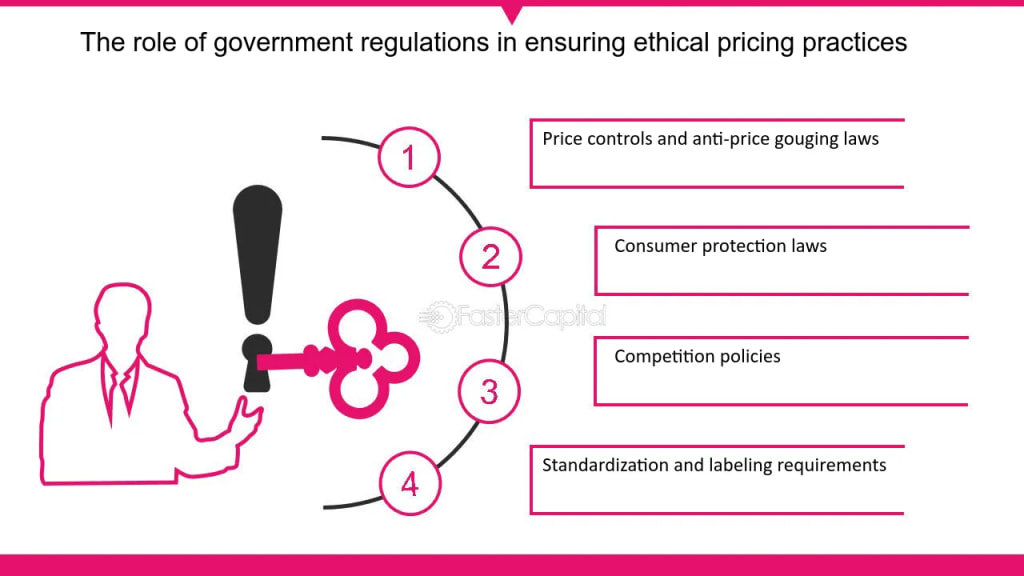
The garment industry is a massive global sector that provides employment to millions and contributes significantly to the economy. However, it also faces challenges related to labour exploitation, environmental degradation, and unethical business practices. To address these issues, governments worldwide have implemented regulations to ensure fair labour practices, environmental sustainability, and consumer safety. These regulations not only help maintain industry standards but also influence how brands operate, source materials, and engage with workers.
In this article, we explore the critical role of government regulations in the garment industry, focusing on labour laws, environmental policies, fair trade agreements, and consumer protection measures.
1. Ensuring Fair Labour Practices
One of the most crucial aspects of government regulations in the garment industry is protecting workers’ rights and ensuring ethical labour practices. The fashion industry has long been scrutinized for exploitative working conditions, particularly in developing countries where cheap labour is a driving force.
a. Minimum Wage Laws
Governments set minimum wage requirements to ensure that workers receive fair compensation for their labour. These laws vary by country, but they help prevent extreme exploitation by mandating a basic level of income. Some countries, like Bangladesh and India, have had ongoing debates about raising the minimum wage in the garment sector to meet living standards.
b. Workplace Safety Regulations
The collapse of the Rana Plaza factory in Bangladesh in 2013, which killed over 1,100 garment workers, highlighted the dire need for stricter workplace safety regulations. Governments and international organizations have since pushed for stronger oversight on building structures, fire safety measures, and emergency preparedness in garment factories. The Accord on Fire and Building Safety in Bangladesh was one such initiative that improved conditions for thousands of workers.
c. Child Labour and Forced Labour Bans
Many countries have enacted laws prohibiting child labour and forced labour in the garment industry. Regulations such as the U.S. Tariff Act of 1930 prevent goods made with forced labour from entering the U.S. market. Similarly, the International Labour Organization (ILO) promotes conventions that protect garment workers from exploitation, ensuring that factories adhere to ethical labour standards.
2. Environmental Regulations in the Garment Industry
The fashion industry is one of the largest polluters globally, contributing significantly to water pollution, carbon emissions, and textile waste. Governments have introduced regulations to mitigate these environmental impacts and encourage more sustainable production methods.
a. Waste Management and Recycling Laws
Many countries have implemented laws to address textile waste. The European Union’s Circular Economy Action Plan encourages fashion brands to adopt recycling programs and reduce landfill waste. Countries like France have even banned the destruction of unsold clothing, pushing brands to donate or recycle excess inventory.
b. Water Pollution and Chemical Usage Restrictions
The dyeing and finishing processes in garment production contribute heavily to water pollution. Governments regulate the discharge of harmful chemicals through laws like the EU’s REACH regulation, which limits the use of hazardous substances in textiles. The Zero Discharge of Hazardous Chemicals (ZDHC) program also collaborates with brands and governments to eliminate toxic chemicals from the supply chain.
c. Carbon Emission and Energy Efficiency Standards
Several governments have set carbon emission reduction targets for industries, including fashion. The Paris Agreement encourages nations to regulate factory emissions and promote energy-efficient production methods. Countries like Sweden offer incentives for sustainable fashion brands that use renewable energy sources in manufacturing.
3. Trade Regulations and Import/Export Policies
Government policies on trade, tariffs, and import/export restrictions significantly impact the garment industry. These regulations affect how brands source materials and manufacture products globally.
a. Free Trade Agreements (FTAs)
FTAs between countries facilitate easier trade by reducing tariffs and import duties. Agreements like NAFTA (now USMCA) and the EU-Vietnam Free Trade Agreement allow brands to import textiles and garments with lower costs, encouraging international collaboration and production.
b. Tariffs and Duties on Textile Imports
Governments impose tariffs on imported textiles to protect domestic industries. For example, the U.S. imposes duties on garments from countries without preferential trade agreements, making locally produced goods more competitive. However, high tariffs can sometimes lead brands to seek cheaper labour markets, impacting fair wages in developing nations.
c. Ethical Sourcing Requirements
Some countries have regulations that require brands to disclose their supply chain details and ensure ethical sourcing. The U.K.’s Modern Slavery Act and the U.S. Uyghur Forced Labour Prevention Act prevent brands from sourcing materials linked to forced labour, promoting human rights in garment production.
4. Consumer Protection Laws
Government regulations also play a crucial role in protecting consumers from misleading advertising, harmful materials, and unethical marketing practices.
a. Labelling and Transparency Laws
Many countries require garment labels to include information on fabric composition, country of origin, and care instructions. The Federal Trade Commission (FTC) in the U.S. enforces labelling laws to ensure consumers have accurate information before purchasing clothing.
b. Greenwashing Regulations
With the rise of sustainable fashion, many brands engage in "greenwashing"—misleading consumers about their environmental impact. Governments are cracking down on false sustainability claims. The EU’s Green Claims Initiative and the U.S. Securities and Exchange Commission (SEC) are introducing stricter guidelines for brands marketing themselves as eco-friendly.
c. Product Safety Standards
Governments regulate the use of harmful substances in garments, particularly those that come into contact with skin. The Consumer Product Safety Improvement Act (CPSIA) in the U.S. and the EU’s General Product Safety Directive ensure that clothing items meet safety standards before reaching consumers.
5. The Impact of Regulations on the Industry
While government regulations bring positive change, they also pose challenges for businesses.
a. Compliance Costs for Brands
Smaller brands may struggle to meet regulatory requirements due to the high cost of compliance. Sustainability certifications, ethical audits, and import/export taxes can add financial burdens, making it harder for small businesses to compete with larger corporations.
b. Encouraging Innovation and Sustainability
Despite the challenges, regulations push the industry towards innovation. Many brands invest in sustainable production methods, ethical labour practices, and waste reduction strategies to comply with laws while improving their brand reputation.
c. Global Variations in Regulations
Different countries have different regulatory standards, making it difficult for international brands to comply with all requirements. While Europe enforces stricter environmental policies, some developing nations have looser regulations, leading to variations in industry practices worldwide.
6. The Future of Government Regulations in Fashion
As sustainability and ethical production become more important, governments will continue to introduce stronger regulations in the garment industry. Some potential future developments include:
- Stronger carbon emission targets for textile manufacturers.
- Mandatory circular economy initiatives requiring brands to take responsibility for garment disposal.
- Stricter labour rights enforcement in developing nations to prevent worker exploitation.
- Advanced AI and blockchain-based tracking systems to monitor supply chains for transparency.
Governments, industry leaders, and consumers must work together to create a fair and sustainable fashion ecosystem.
Conclusion
Government regulations play an essential role in shaping the garment industry by ensuring ethical labour practices, environmental sustainability, and consumer protection. While compliance with these laws can be challenging for businesses, they ultimately contribute to a more responsible and transparent fashion industry.
As the demand for sustainability and ethical production grows, regulations will continue to evolve, pushing brands to adopt better practices. By balancing economic growth with social and environmental responsibility, government policies can help create a fair and sustainable future for the garment industry.
About the Creator
textilenews
publisher
Keep reading
More stories from textilenews and writers in Styled and other communities.
The part of Robotics in the Future of the Garment Industry Transforming Fashion with robotization and Innovation
The garment industry is undergoing a massive transformation, with robotics playing a crucial role in shaping its future. Traditionally reliant on manual labor, fashion production is now seeing a shift toward automation, enhancing efficiency, reducing costs, and improving sustainability. Robotics in the garment industry is streamlining everything from fabric cutting and sewing to quality control and logistics. As technological advancements continue, the integration of robotics is set to redefine how clothing is designed, manufactured, and distributed.
By textilenews11 months ago in Styled
Lordhair vs Lavivid: A Wearer's Take
I didn't plan on comparing brands. I just wanted to share my own experience and thoughts. The Situation By the time I started wearing a hair system, I’d already spent too much energy reading forums, watching videos, and second‑guessing myself. Every option sounded perfect until it wasn’t.
By Ryan Collins4 days ago in Styled




Comments
There are no comments for this story
Be the first to respond and start the conversation.