
Diamond Market Size and Forecast 2025–2033
Luxury Meets Technology: How Natural and Lab-Grown Diamonds Are Reshaping a Timeless Industry

Introduction
The global diamond industry stands at the intersection of tradition, innovation, and evolving consumer values. Long regarded as a symbol of wealth, love, and permanence, diamonds continue to occupy a central position in the luxury goods sector while simultaneously gaining prominence in advanced industrial applications. According to Renub Research, the Diamond Market is expected to reach US$ 54.67 billion by 2033, up from US$ 40.08 billion in 2024, growing at a CAGR of 3.51% during 2025–2033.
This steady expansion reflects rising luxury demand, rapid advancements in lab-grown diamond technologies, and increasing adoption across industrial sectors such as electronics, construction, and precision engineering. At the same time, sustainability, ethical sourcing, and digital transparency are reshaping supply chains and consumer expectations. The diamond industry is no longer defined solely by mining and high-end jewelry—it is becoming a diversified, technology-driven global marketplace.
Global Diamond Market: Industry Overview
The diamond industry represents a unique blend of emotional value and material utility. For centuries, diamonds have symbolized prestige, romance, and wealth, making them an essential component of fine jewelry. Engagement rings, wedding bands, luxury watches, and bespoke ornaments continue to account for a significant share of global diamond demand.
However, the modern diamond market is undergoing structural transformation. Ethical sourcing, environmental concerns, and affordability are influencing buyer behavior, especially among younger demographics. As a result, lab-grown diamonds—produced using Chemical Vapor Deposition (CVD) and High-Pressure High-Temperature (HPHT) techniques—are gaining acceptance as ethical, cost-effective alternatives to mined diamonds.
Beyond aesthetics, diamonds are critical industrial materials. Their unparalleled hardness, thermal conductivity, and chemical stability make them indispensable in cutting, drilling, grinding, and polishing applications. Synthetic diamonds are increasingly used in electronics, semiconductors, aerospace, and high-precision manufacturing.
Digital innovation is also redefining the industry. Blockchain-based tracking, advanced certification systems, and AI-powered grading tools are improving traceability, enhancing consumer trust, and ensuring supply chain transparency. This integration of technology with tradition is positioning the diamond market for long-term stability and sustainable growth.
Market Size and Growth Outlook
As per Renub Research, the global diamond market will grow from US$ 40.08 billion in 2024 to US$ 54.67 billion by 2033, registering a CAGR of 3.51% over the forecast period.
This growth is driven by:
Expanding luxury consumption worldwide
Increasing adoption of lab-grown diamonds
Rising industrial usage across advanced manufacturing sectors
Greater transparency and ethical sourcing initiatives
Digitalization of retail and certification processes
While natural diamonds remain the cornerstone of luxury jewelry, synthetic diamonds are rapidly gaining market share, reshaping pricing structures and competitive dynamics.
Key Factors Driving Diamond Market Growth
1. Rising Demand for Luxury and Bridal Jewelry
Luxury and bridal jewelry remain the most influential demand drivers in the diamond market. Diamonds continue to represent love, commitment, and status, making them central to engagement and wedding traditions worldwide.
Growing disposable incomes, urbanization, and the expansion of middle-class populations—particularly in Asia-Pacific and the Middle East—are boosting global jewelry consumption. Consumers increasingly seek customized, high-quality pieces that reflect personal identity and craftsmanship.
E-commerce platforms, virtual try-ons, and online certification tools are making diamond jewelry more accessible than ever, broadening the consumer base across geographies. This sustained interest in fine jewelry continues to underpin market growth.
2. Technological Advancements in Lab-Grown Diamonds
Lab-grown diamonds are reshaping the industry landscape. Advanced manufacturing methods now produce stones with identical physical, chemical, and optical properties to natural diamonds—at a lower cost and with minimal environmental impact.
These innovations appeal to environmentally conscious consumers and younger buyers seeking ethical alternatives. The affordability of synthetic diamonds enables greater market penetration, particularly in fashion jewelry, engagement rings, and industrial components.
As certification standards and grading technologies improve, buyer confidence in lab-grown diamonds continues to strengthen, accelerating their adoption across multiple applications.
3. Expanding Industrial Applications
Diamonds are increasingly essential in industrial sectors due to their exceptional durability and thermal conductivity. Applications include:
Cutting, drilling, and grinding tools in construction and mining
Semiconductor manufacturing and electronics
Heat dissipation systems
Optical components and high-precision instruments
The growth of advanced manufacturing, electric vehicles, and semiconductor industries is fueling demand for synthetic industrial diamonds. Cost-efficient production methods are making high-performance diamond tools more accessible, broadening their industrial footprint.
Challenges Facing the Diamond Market
Ethical and Environmental Concerns
Ethical sourcing remains one of the most pressing challenges. Issues related to conflict diamonds, labor practices, and environmental degradation have intensified scrutiny from consumers, regulators, and advocacy groups.
Buyers increasingly demand traceability, responsible mining practices, and environmental stewardship. To address these concerns, companies are investing in:
Blockchain-enabled tracking systems
International certification programs
Sustainable mining technologies
Despite progress, ensuring complete transparency across complex global supply chains remains difficult. Brands that fail to adapt risk reputational damage and loss of consumer trust.
Price Volatility and Market Competition
Diamond prices are influenced by mining output, geopolitical factors, economic cycles, and shifts in consumer demand. The rapid rise of lab-grown diamonds has intensified competition by offering affordable alternatives, challenging traditional pricing models for natural diamonds.
Luxury spending often declines during economic downturns, impacting high-end jewelry sales. To remain competitive, companies must balance pricing strategies, inventory management, and branding initiatives while differentiating between natural and synthetic segments.
Regional Market Overview
United States
The United States remains one of the largest diamond markets globally, driven by strong demand for bridal and luxury jewelry. Ethical sourcing and sustainability are key purchasing factors, especially among younger consumers.
Lab-grown diamonds are gaining popularity as affordable, eco-friendly alternatives, while industrial demand for synthetic diamonds in electronics and precision tools supports diversification. Despite import dependencies and price fluctuations, the U.S. continues to lead in both consumption and innovation.
United Kingdom
The UK diamond market benefits from a strong heritage in fine jewelry and craftsmanship. Rising adoption of lab-grown diamonds, growing e-commerce channels, and a focus on ethical certification are reshaping consumer behavior.
Although economic uncertainties pose challenges, the market remains resilient through innovation, digital retail expansion, and strong branding.
India
India is a global powerhouse in diamond cutting, polishing, and jewelry manufacturing. Its growing middle class, cultural affinity for jewelry, and export-driven industry support strong market growth.
India is also emerging as a hub for lab-grown diamond production, reflecting technological advancement and cost competitiveness. Government initiatives supporting the gem and jewelry sector further enhance India’s role in the global diamond ecosystem.
United Arab Emirates
The UAE, particularly Dubai, serves as a major international diamond trading hub. Its strategic location, business-friendly policies, and advanced logistics infrastructure attract global buyers and sellers.
Strong luxury retail demand, tourism-driven consumption, and rising interest in lab-grown diamonds are shaping regional trends. Government-backed transparency initiatives further strengthen the UAE’s position as a global center for diamond commerce.
Recent Developments in the Diamond Industry
Malabar Gold & Diamonds (October 2024): Opened refurbished flagship stores in Dubai and Kuwait, offering over 20,000 jewelry designs to enhance customer experience.
Rapaport & DMCC (September 2024): Hosted the largest polished diamond auction in Dubai, showcasing over 50,000 carats, reinforcing the city’s status as a global trading hub.
Tanishq & De Beers (August 2024): Formed a strategic alliance to promote natural diamonds in India, focusing on education and awareness among the expanding middle class.
Signet Jewelers & De Beers (May 2024): Launched a U.S.-focused campaign to highlight the value of natural diamonds, targeting younger couples through digital platforms and in-store engagement.
Market Segmentation
By Type
Synthetic Diamonds
Natural Diamonds
By Product
Rough Diamonds
Polished Diamonds
By Application
Jewelry
Industrial
By Region
North America: United States, Canada
Europe: France, Germany, Italy, Spain, United Kingdom, Belgium, Netherlands, Turkey
Asia-Pacific: China, Japan, India, South Korea, Thailand, Malaysia, Indonesia, Australia, New Zealand
Latin America: Brazil, Mexico, Argentina
Middle East & Africa: Saudi Arabia, United Arab Emirates, South Africa
Leading Companies in the Diamond Market
ALROSA
De Beers Group
Rio Tinto
Trans Hex Group
Lucara Diamond
Gem Diamonds ASA
Petra Diamonds Limited
Arctic Canadian Diamond Company
Mountain Province Diamonds
These companies are actively investing in sustainability initiatives, digital traceability, and innovation in both natural and synthetic diamond production.
Future Outlook: What Lies Ahead?
The diamond market is transitioning from a tradition-driven luxury segment into a diversified, technology-enabled industry. While natural diamonds will retain their emotional and symbolic value, lab-grown diamonds are set to capture a growing share of both jewelry and industrial markets.
Digitalization, blockchain tracking, and sustainability certifications will become standard industry practices. Emerging economies, particularly in Asia-Pacific and the Middle East, will continue to drive demand, supported by rising incomes and evolving consumer lifestyles.
According to Renub Research, the market’s steady CAGR of 3.51% through 2033 highlights resilience, adaptability, and expanding application scope. Companies that embrace ethical sourcing, technological innovation, and omnichannel retail strategies will lead the next phase of industry growth.
Final Thoughts
The global diamond market is no longer defined solely by tradition and luxury—it is being reshaped by technology, sustainability, and evolving consumer expectations. With rising demand for both natural and lab-grown diamonds, expanding industrial applications, and greater emphasis on ethical sourcing, the industry is entering a transformative era.
As the market grows from US$ 40.08 billion in 2024 to US$ 54.67 billion by 2033, its future will be driven by innovation, transparency, and adaptability. Diamonds may be timeless, but the industry behind them is anything but static—continuously evolving to meet the demands of a modern, conscientious, and digitally connected world.
About the Creator
jaiklin Fanandish
Jaiklin Fanandish, a passionate storyteller with 10 years of experience, crafts engaging narratives that blend creativity, emotion, and imagination to inspire and connect with readers worldwide.
Keep reading
More stories from jaiklin Fanandish and writers in Styled and other communities.
France Luxury Goods Market Size & Forecast 2025–2033
France Luxury Goods Market Outlook The France luxury goods market stands as one of the most influential and culturally embedded luxury ecosystems in the world. According to Renub Research, the French luxury goods industry is projected to expand from US$ 23.75 billion in 2024 to US$ 35.97 billion by 2033, registering a CAGR of 4.72% during 2025–2033. This steady growth trajectory reflects France’s unmatched brand heritage, robust tourism inflows, digital transformation, and growing appetite for sustainable and premium lifestyle products.
By jaiklin Fanandish18 days ago in Styled
Top 10 Tigre Rosa Heels Loved by Fashion Influencers in 2026
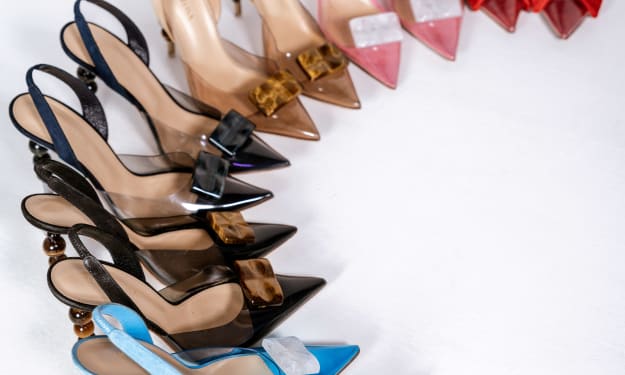
Dubai’s fashion landscape in 2026 is all about statement design, craftsmanship, and meaningful luxury, and no brand captures this spirit quite like Tigre Rosa. Blending Italian artisanal footwear with symbolic aesthetics, Tigre Rosa heels have become a must-wear among fashion influencers, style icons, and trendsetters not just in the UAE — but across the global fashion scene.
By tigrerosaofficial2 days ago in Styled
Dhoti Salwar for Haldi, Mehndi & Pre-Wedding Functions
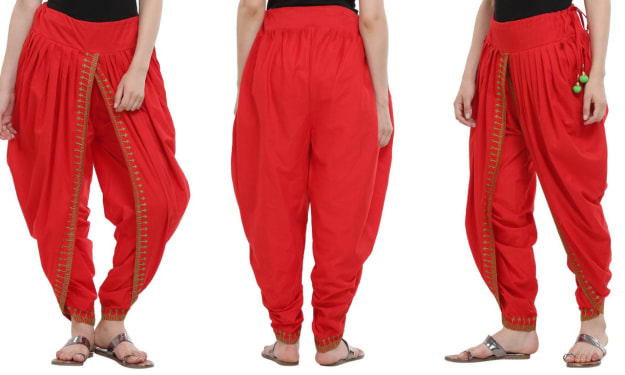
Pre-wedding functions like haldi and mehndi are all about colour, movement, and comfort. These are the events where you sit on the floor, laugh a lot, get your hands painted, and stay dressed for hours. That’s exactly why, in recent years, dhoti salwar has become a favourite choice for these celebrations. It offers the festive feel of ethnic wear while staying easy to move in something every haldi and mehndi outfit should do well.
By Amit Mandalabout 13 hours ago in Styled
Miss Persephone's Manual to a Seemingly Ordinary Life
Miss Persephone was found at the dining table, her blue eyes swollen, her tears arriving and retreating like the tides of the ocean. Earlier that day, her family had visited her in the retirement home where she had lived for eight years. It was her eightieth birthday.
By Imola Tótha day ago in Fiction


Comments
There are no comments for this story
Be the first to respond and start the conversation.