
How AI Is Disrupting the Apparel Industry in 2025
How AI is Revolutionizing the Apparel Industry in 2025—From Design and Manufacturing to Personalized Shopping and Sustainable Fashion

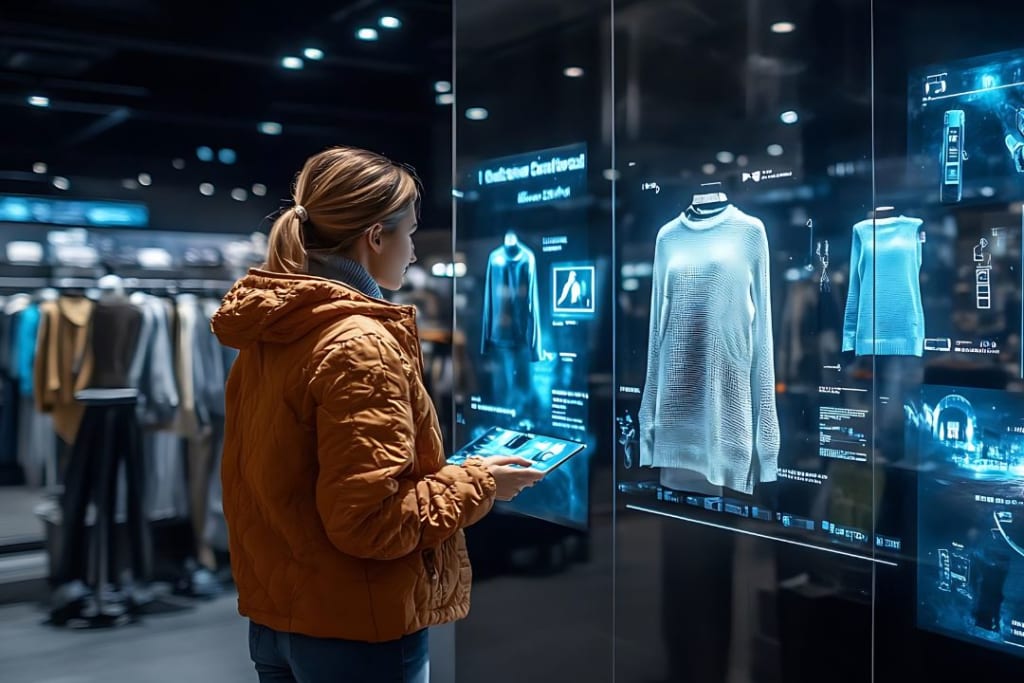
Artificial Intelligence (AI) has become one of the most transformative forces across various industries—and the apparel sector is no exception. In 2025, the apparel industry is witnessing a dramatic shift fuelled by AI-powered innovations. From design and production to inventory management, customer experience, and sustainability, AI is changing the way clothes are imagined, created, and sold. This article delves deep into how AI is disrupting the apparel industry, offering insight into the latest trends, technologies, and transformations driving the future of fashion.
1. AI in Fashion Design and Product Development
- Automated Design Tools: AI-powered platforms can now generate fashion designs with minimal human input. These tools analyze trends, consumer preferences, and historical sales data to produce fresh, on-brand designs in seconds.
- Trend Prediction: AI algorithms analyse millions of data points from social media, fashion shows, e-commerce platforms, and even street style photos to predict what consumers will want to wear next.
- Generative AI Models: Tools like GANs (Generative Adversarial Networks) and diffusion models are used to create hyper-realistic clothing prototypes and visual concepts, speeding up the creative process.
Impact: Designers no longer rely solely on intuition or seasonal forecasting. AI shortens the design cycle from months to days, enabling faster time-to-market and improved alignment with consumer demands.
2. Smart Manufacturing and Production Optimization
- AI-Powered Robotics: Smart sewing robots and automated cutting machines are reducing the reliance on manual labor. These systems use computer vision and AI to handle delicate fabrics with precision.
- Predictive Maintenance: AI monitors machinery performance in real-time, predicting breakdowns before they occur and reducing downtime.
- Demand-Driven Production: Machine learning models forecast product demand with high accuracy, allowing manufacturers to produce only what is needed.
Impact: AI is helping reduce production waste, lower operational costs, and improve scalability—crucial for on-demand fashion and small-batch manufacturing.
3. Personalized Shopping Experiences
- Virtual Stylists: AI chatbots and virtual assistants offer personalized fashion recommendations based on browsing behaviour, purchase history, body type, and even weather.
- Visual Search and Try-On: AI enables features like “search by image” and augmented reality try-ons, improving the customer journey online and in-store.
- Behavioural Analytics: Deep learning models track user behaviour in real-time, customizing homepages, marketing emails, and product suggestions uniquely for each customer.
Impact: AI has turned online shopping into a more intuitive, interactive, and customer-first experience, increasing conversions and customer loyalty.
4. Inventory and Supply Chain Management
- Smart Forecasting: AI algorithms analyse historical sales, social trends, and external data (like economic indicators and weather patterns) to accurately predict future demand.
- Automated Warehousing: AI-driven robots and automated systems manage inventory more efficiently than human workers.
- Real-Time Logistics Optimization: AI tools optimize shipping routes and logistics in real time, reducing costs and improving delivery timelines.
Impact: AI helps brands maintain leaner inventories, prevent stockouts and overstock, and optimize supply chains for speed and cost-efficiency.
5. AI in Sustainable Fashion
- Waste Reduction: With better forecasting and smarter production, brands can significantly cut down on overproduction and unsold stock, a major contributor to textile waste.
- Circular Fashion: AI helps manage recycling programs by identifying recyclable garments and streamlining the sorting process for textile reuse.
- Material Innovation: Machine learning is used to design new sustainable fabrics and analyse their properties under different conditions, speeding up research and development.
Impact: AI empowers brands to align with sustainability goals and consumer expectations for eco-conscious fashion without sacrificing efficiency or profitability.
6. Enhanced Quality Control and Fraud Detection
- Automated Quality Checks: AI-powered cameras inspect garments during production, detecting flaws invisible to the human eye and ensuring consistent quality.
- Counterfeit Detection: AI tools track products through blockchain and identify fakes using image recognition, protecting brand integrity.
- Returns Analysis: Machine learning models identify patterns in product returns to detect quality issues or sizing problems early.
Impact: These technologies enhance brand reputation and reduce costly returns, benefiting both businesses and consumers.
7. AI-Driven Marketing and Consumer Insights
- Hyper-Personalized Campaigns: AI analyzes customer segments in granular detail, creating targeted ads and personalized marketing messages that convert better.
- Sentiment Analysis: Natural Language Processing (NLP) tools monitor online reviews, social media, and feedback to gauge customer sentiment and brand health.
- Dynamic Pricing: AI models adjust prices based on demand, competitor pricing, and inventory levels in real time to maximize revenue.
Impact: Brands are gaining sharper insights into their audiences, leading to smarter marketing strategies and increased customer engagement.
8. Virtual Fashion and the Metaverse
- AI-Created Digital Clothing: Designers are using AI to create virtual fashion pieces for avatars in the metaverse and social platforms.
- NFTs and Blockchain Fashion: AI helps verify authenticity and scarcity of digital fashion NFTs, offering new monetization channels.
- Avatar-Based Fitting Rooms: Virtual fitting rooms powered by AI scan users’ bodies and simulate how clothing fits before purchase.
Impact: These innovations are opening new revenue streams and redefining fashion as a digital, immersive experience.
9. AI in Talent Management and Workforce Planning
- Automated Hiring Tools: AI helps companies identify skilled workers, match them to roles, and predict retention rates using resume data and behavioural insights.
- Performance Optimization: AI tracks worker efficiency and suggests training or process improvements.
- Workforce Flexibility: Machine learning forecasts labour needs and helps balance in-house versus outsourced labour dynamically.
Impact: Brands can build stronger, more agile teams and reduce labour inefficiencies throughout the production cycle.
10. Challenges and Ethical Considerations
- Data Privacy Concerns: With so much consumer data being collected and analysed, maintaining privacy and data security is critical.
- Job Displacement: Automation threatens certain roles in design and production, requiring re-skilling initiatives.
- Bias in Algorithms: AI models can perpetuate biases if not carefully designed, especially in areas like hiring or personalized recommendations.
Impact: As AI becomes more integrated into fashion, companies must ensure ethical, transparent, and inclusive implementation.
Conclusion
In 2025, AI is not just a tool for the apparel industry—it’s a catalyst for full-scale transformation. From design to delivery, artificial intelligence is reshaping every facet of fashion, making it smarter, faster, more sustainable, and more customer-centric. Brands that embrace AI-driven innovation will be well-positioned to lead the next era of apparel, while those who resist risk falling behind in a rapidly evolving digital marketplace. As the lines between technology, creativity, and commerce continue to blur, the future of fashion is undeniably AI-powered.
About the Creator
textilenews
publisher
Keep reading
More stories from textilenews and writers in Styled and other communities.
The Apparel Industry’s Big Shift Toward Sustainable Fashion
In recent years, the apparel industry has undergone a significant transformation driven by growing environmental concerns, shifting consumer expectations, and technological innovation. One of the most prominent trends reshaping the sector is the move toward sustainable fashion. This shift represents a fundamental rethinking of how clothing is designed, produced, and consumed. Sustainability is no longer a niche market — it is becoming the new industry standard. In this comprehensive look, we explore the driving forces behind the shift, the initiatives being implemented, and the long-term impact on the fashion ecosystem.
By textilenews9 months ago in Styled
What is nomination charms rose gold and why people love them
Nomination charms rose gold are small decorative links that fit into a special bracelet system. These charms are popular because they allow people to build a bracelet that tells a personal story. Each charm can stand for a memory a person or a feeling. Rose gold is loved for its warm soft colour that feels modern yet classic. Many people in the UK choose rose gold because it suits different skin tones and looks gentle on the wrist. The charms are often made from stainless steel with rose gold plating which helps them last longer.
By Rob Sherwin7 days ago in Styled
How to Style Plus-Size Formal Dresses for Special Occasions
Dressing for a formal occasion should feel exciting and empowering, regardless of size. The right outfit not only enhances your appearance but also boosts confidence and comfort throughout the event. Today’s plus-size formal dresses are designed with flattering cuts, supportive fabrics, and elegant details that make styling easier than ever.
By Style Sparksabout 10 hours ago in Styled



Comments
There are no comments for this story
Be the first to respond and start the conversation.