
The Apparel Industry’s Big Shift Toward Sustainable Fashion
How Sustainability, Innovation, and Consumer Values Are Redefining the Future of Fashion

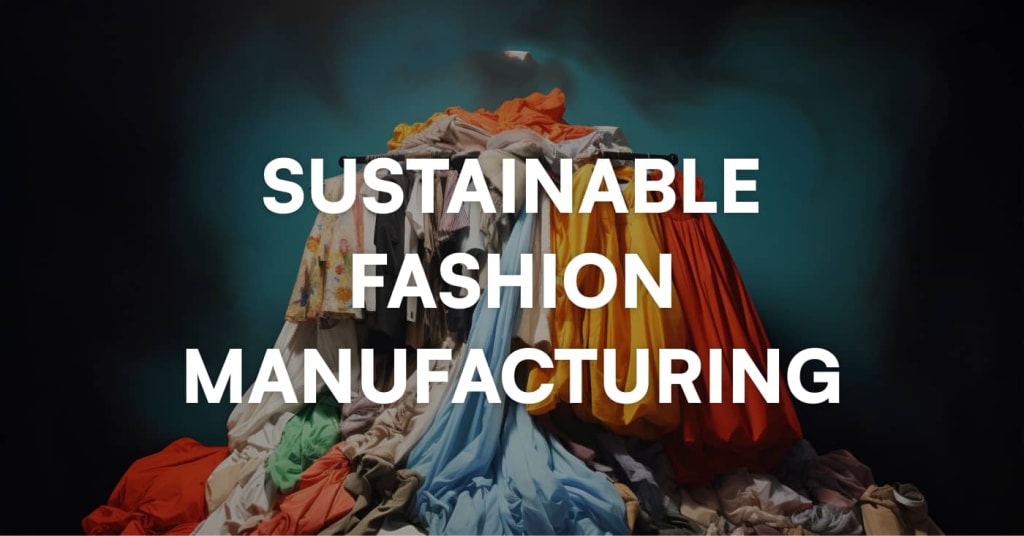
In recent years, the apparel industry has undergone a significant transformation driven by growing environmental concerns, shifting consumer expectations, and technological innovation. One of the most prominent trends reshaping the sector is the move toward sustainable fashion. This shift represents a fundamental rethinking of how clothing is designed, produced, and consumed. Sustainability is no longer a niche market — it is becoming the new industry standard. In this comprehensive look, we explore the driving forces behind the shift, the initiatives being implemented, and the long-term impact on the fashion ecosystem.
1. The Environmental Impact of Fast Fashion
- Excessive Waste: The rise of fast fashion created a culture of disposable clothing, with millions of garments ending up in landfills every year.
- Water Usage: Traditional textile production consumes vast quantities of water — one cotton shirt alone can require up to 2,700 litters.
- Chemical Pollution: Toxic dyes and untreated wastewater pollute rivers and ecosystems, posing health risks to both people and wildlife.
- Carbon Footprint: The apparel industry contributes around 10% of global carbon emissions, making it one of the most polluting industries on the planet.
2. Changing Consumer Behaviour
- Increased Awareness: Modern consumers, particularly Millennials and Gen Z, are more environmentally conscious and actively seek sustainable options.
- Demand for Transparency: Shoppers now expect brands to disclose their supply chain practices, labour conditions, and environmental impact.
- Rise of Ethical Fashion: There's growing support for brands that champion fair wages, safe working conditions, and eco-friendly production methods.
- Minimalism and Mindful Consumption: Movements like capsule wardrobes and slow fashion encourage people to buy less but invest in quality, durable pieces.
3. Eco-Friendly Materials and Alternatives
- Organic Cotton: Grown without harmful pesticides and synthetic fertilizers, organic cotton reduces soil and water pollution.
- Recycled Fabrics: Materials like recycled polyester made from plastic bottles reduce waste and limit the use of virgin resources.
- Plant-Based Fibber's: Hemp, bamboo, and Tencel (lyocell) are gaining popularity for their low environmental impact and biodegradability.
- Vegan Leather: Alternatives made from mushrooms, pineapple leaves (Piñatex), or apple peels are replacing animal-based leather in many collections.
4. Sustainable Manufacturing Processes
- Waterless Dyeing Technologies: Innovative techniques like CO₂ dyeing or digital printing drastically cut water consumption and pollution.
- Energy-Efficient Production: Solar-powered factories and low-energy machinery help reduce the carbon footprint of textile production.
- Closed-Loop Systems: These systems recycle waste from production back into the manufacturing process, achieving near-zero waste goals.
- Local and On-Demand Manufacturing: Producing garments closer to consumers reduces emissions from transportation and minimizes overproduction.
5. Circular Fashion and Recycling Initiatives
- Garment Recycling Programs: Many brands now offer take-back schemes where customers can return used clothing for recycling or resale.
- Second-Hand and Resale Markets: Platforms like ThredUp, Poshmark, and Depop have exploded in popularity, promoting the reuse of clothing.
- Upcycling and Repurposing: Designers creatively transform old or unsold stock into new products, reducing textile waste.
- Rental and Subscription Models: Services such as Rent the Runway allow consumers to access high-end fashion without ownership, reducing consumption.
6. Ethical Labour Practices
- Fair Trade Certification: Ensures workers are paid fairly and work in safe conditions, promoting social sustainability.
- Transparent Supply Chains: Brands are investing in blockchain and traceability tools to map their entire supply chain and ensure ethical standards.
- Worker Empowerment: Some companies support programs that educate and empower workers, especially women in developing countries.
- Compliance and Auditing: Increased monitoring and third-party audits help ensure factories meet labour and environmental standards.
7. Technological Innovations Driving Sustainability
- AI and Data Analytics: Help brands forecast demand accurately, reducing overproduction and unsold inventory.
- 3D Design Software: Allows virtual prototyping, cutting fabric waste and speeding up development.
- Biodegradable Packaging: Companies are shifting to compostable and recyclable packaging materials.
- Blockchain for Traceability: Enhances transparency by documenting each step of a product’s journey from raw material to consumer.
8. Brand Commitments and Global Movements
- Fashion Pact: A global coalition of brands working to reduce the industry’s environmental impact in line with the Paris Agreement.
- UN Sustainable Development Goals (SDGs): Many apparel companies align their sustainability initiatives with the SDGs.
- Corporate Responsibility Programs: Leading brands like Patagonia, Stella McCartney, and Eileen Fisher are pioneering sustainable practices and pushing for industry-wide change.
- Certifications and Standards: Programs like GOTS (Global Organic Textile Standard), OEKO-TEX®, and B Corp guide ethical and sustainable business practices.
9. Challenges and Criticism
- Greenwashing: Some brands exaggerate or falsify sustainability claims, misleading consumers.
- High Costs: Sustainable production can be more expensive, making it difficult for smaller brands and start-up's to compete.
- Scalability: Transitioning an entire supply chain to sustainable methods is complex and time-consuming.
- Consumer Price Sensitivity: Not all consumers are willing or able to pay the premium for sustainably made products.
10. The Road Ahead: A New Era for Fashion
- Policy and Regulation: Governments and organizations are pushing for stricter environmental and labour standards in the apparel industry.
- Education and Advocacy: Schools, NGOs, and influencers are promoting sustainability through campaigns and curriculum.
- Global Collaboration: Shared goals and open innovation are fostering cooperation across brands, manufacturers, and consumers.
- The Future of Fashion: Sustainability will no longer be a selling point — it will be a basic expectation. Brands that fail to adapt risk falling behind.
Conclusion
The apparel industry’s big shift toward sustainable fashion is not just a trend but a powerful movement that’s transforming the global fashion landscape. As consumers demand more responsibility and the planet demands more care, brands are embracing innovation, accountability, and transparency. Although challenges remain, the path forward is clear — sustainable fashion is here to stay, and it is reshaping how we dress, think, and live. The future of fashion is not only stylish but also smart, ethical, and green.
About the Creator
textilenews
publisher
Keep reading
More stories from textilenews and writers in Styled and other communities.
Garment Industry Prepares for a Digital-First Future: Embracing Innovation Across the Value Chain
The garment industry is at a pivotal moment, driven by the need to adapt to fast-changing consumer behaviour, global disruptions, and technological innovation. As digital technologies continue to revolutionize every aspect of modern business, the garment sector is preparing for a digital-first future—one where speed, data, sustainability, and personalization are key to success. This transformation is not just a trend, but a strategic necessity for survival and growth in an increasingly competitive global market.
By textilenews9 months ago in Styled
Dressing Without Rules: Plus Size Salwar Suits in 2026
For a long time, plus size fashion came with too many rules. Wear dark colours. Avoid volume. Stick to “flattering” cuts. Hide this, downplay that. But in 2026, that mindset is finally fading. Women are choosing comfort, confidence, and personal style over outdated fashion advice and plus size salwar are right at the centre of this change.
By Amit Mandal7 days ago in Styled



Comments
There are no comments for this story
Be the first to respond and start the conversation.