
How AI and Automation Are Transforming Home Textile Technology: The Future of Smart and Sustainable Living
Revolutionizing Home Textiles: How AI and Automation are Shaping the Future of Design, Production, and Sustainability

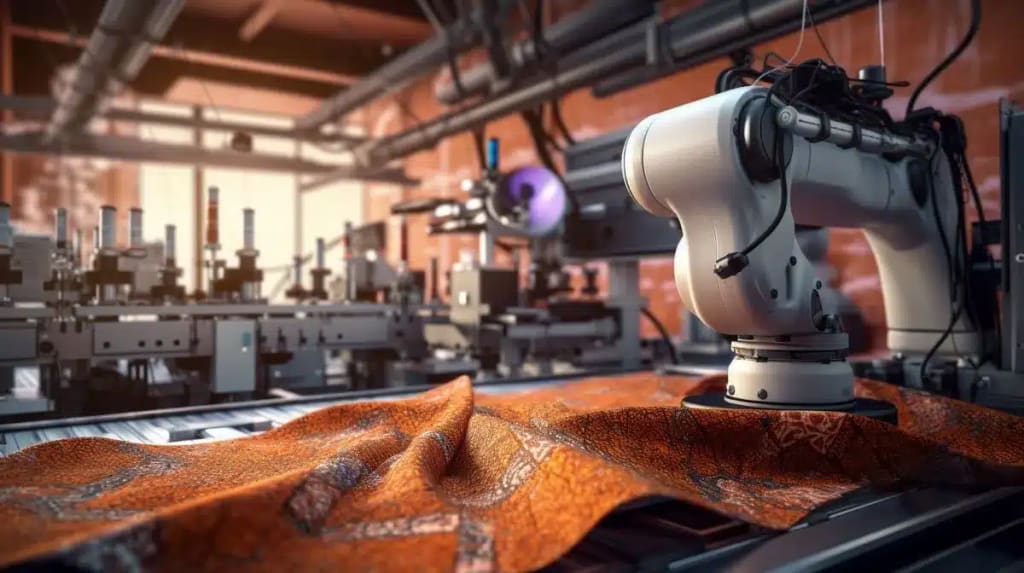
Artificial intelligence (AI) and automation are revolutionizing the home textile industry, making production smarter, more efficient, and increasingly sustainable. From AI-driven design and smart manufacturing to intelligent fabric innovations, these technologies are reshaping how home textiles are created, sold, and used. As the demand for personalized, high-quality, and Eco-friendly home textiles rises, AI and automation are becoming essential tools in the industry.
This transformation is not just limited to manufacturing—it extends to supply chains, consumer experiences, and even the textiles themselves. Smart fabrics that respond to environmental conditions, AI-powered customization, and automated production lines are setting new standards for innovation. Below, we explore how AI and automation are reshaping the home textile industry and what the future holds.
1. AI-Driven Design and Trend Forecasting
Artificial intelligence is playing a major role in predicting consumer preferences and market trends. Traditionally, textile designers relied on intuition, historical data, and market research to create new collections. Now, AI algorithms analyse vast amounts of data from social media, e-commerce platforms, and customer reviews to forecast upcoming trends with incredible accuracy.
- AI tools help designers identify colour, pattern, and material preferences based on real-time consumer behaviour.
- Automated design software generates textile patterns, reducing manual labour while maintaining creative freedom.
- AI-driven recommendations enable brands to create home textiles that align with consumer expectations, improving sales and reducing unsold inventory.
By leveraging AI, textile companies can make data-backed design decisions that enhance customer satisfaction and reduce waste.
2. Automation in Textile Manufacturing
Automation is streamlining the production process, improving efficiency, and ensuring precision in textile manufacturing. Smart factories equipped with robotic machines, AI-driven quality control, and automated weaving and dyeing systems are reducing human intervention and production time.
- Robotic Weaving and Knitting: AI-powered machines can create complex weaves and designs with unmatched precision and speed.
- Automated Cutting and Sewing: Robotic arms and AI-guided machines enhance fabric cutting accuracy and reduce material waste.
- Smart Textile Printing: Digital textile printing allows for detailed, customized patterns without excessive dye usage or water consumption.
With automation, manufacturers can achieve consistent quality while reducing labour costs and production errors.
3. AI-Powered Quality Control
Maintaining high-quality standards is essential in the textile industry, and AI-powered quality control is transforming how defects are detected and addressed. Traditional inspection methods relied on human oversight, which was time-consuming and prone to errors. AI, however, can detect even the smallest fabric imperfections with high precision.
- AI-powered cameras scan textiles for defects such as misprints, uneven dyeing, or fabric inconsistencies.
- Machine learning algorithms improve defect detection accuracy over time, minimizing wastage.
- Automated systems provide real-time feedback, allowing manufacturers to make adjustments instantly.
By using AI in quality control, textile companies can enhance product consistency, reduce returns, and improve customer satisfaction.
4. Smart Home Textiles with AI Integration
The rise of smart home textiles is bringing AI-driven innovation directly into homes. Intelligent fabrics embedded with sensors and responsive technology are revolutionizing how we interact with textiles in everyday life.
- Temperature-Regulating Fabrics: AI-powered textiles adjust their thermal properties based on the user’s body temperature and environmental conditions.
- Self-Cleaning Textiles: Advanced nanotechnology and AI-driven coatings allow fabrics to repel dirt, bacteria, and odors, reducing the need for frequent washing.
- Smart Bedding and Curtains: AI-enabled bedding can track sleep patterns and adjust firmness or temperature accordingly, while automated curtains respond to voice commands or sunlight exposure.
These innovations enhance comfort, energy efficiency, and hygiene, making homes smarter and more sustainable.
5. Sustainable Textile Production with AI
Sustainability is a growing concern in the textile industry, and AI is playing a crucial role in making home textile production more Eco-friendly. AI-driven systems help reduce waste, optimize resource usage, and promote sustainable manufacturing processes.
- Optimized Water and Energy Consumption: AI monitors dyeing and finishing processes to minimize water and energy use, reducing environmental impact.
- Eco-Friendly Material Sourcing: AI analyses sustainable alternatives such as organic cotton, bamboo, and recycled fibber's, ensuring ethical sourcing practices.
- Waste Reduction: AI-powered cutting and pattern optimization software minimizes fabric waste, promoting a circular economy.
By integrating AI into sustainability efforts, home textile brands can reduce their carbon footprint and appeal to environmentally conscious consumers.
6. AI-Enhanced Personalization and Customization
AI is transforming how consumers shop for home textiles by enabling highly personalized experiences. Brands are using AI-driven customization tools to offer tailor-made products that cater to individual preferences.
- AI-powered recommendation engines suggest fabrics, colours, and patterns based on consumer preferences.
- Virtual visualization tools allow customers to see how textiles will look in their homes before making a purchase.
- On-demand production powered by AI ensures that only necessary textiles are manufactured, reducing overproduction and waste.
With AI, home textile brands can offer unique, customized products while improving customer engagement and loyalty.
7. Blockchain for Transparency in Home Textiles
Consumers are increasingly concerned about ethical sourcing and sustainable practices. Blockchain technology, combined with AI, is enhancing transparency across the supply chain, ensuring fair trade and ethical production.
- Blockchain records every stage of textile production, from raw material sourcing to final delivery.
- Consumers can verify authenticity, sustainability claims, and ethical practices through scannable QR codes.
- AI-powered supply chain management optimizes logistics, reducing delays and inefficiencies.
This combination of AI and blockchain builds trust between brands and consumers, fostering long-term brand loyalty.
8. AI-Driven Inventory and Supply Chain Management
Managing supply chains efficiently is a challenge in the textile industry, but AI is revolutionizing logistics by improving demand forecasting and reducing overstock issues.
- AI-powered algorithms analyse historical sales data and market trends to predict demand more accurately.
- Smart warehouses use AI-driven robotics to optimize storage and order fulfilment.
- Real-time tracking and predictive analytics prevent supply chain disruptions and improve overall efficiency.
By implementing AI-driven supply chain solutions, textile companies can enhance productivity, reduce costs, and minimize waste.
9. E-Commerce and AI-Powered Customer Experience
The rise of AI in e-commerce is changing how consumers shop for home textiles. AI-driven chatbots, virtual assistants, and augmented reality (AR) tools are improving the online shopping experience.
- AI Chatbots: Provide personalized recommendations and customer support in real-time.
- Virtual Try-On: AR technology allows customers to visualize how textiles will look in their living spaces before purchasing.
- Automated Customer Insights: AI analyses purchasing behaviour to offer targeted promotions and discounts.
These advancements make online shopping more interactive, convenient, and customer-focused.
10. The Future of AI and Automation in Home Textiles
As AI and automation continue to evolve, the home textile industry will witness even greater innovations. Future trends may include:
- AI-powered robotic sewing machines that create fully automated, custom home textiles.
- Smart textiles with AI-driven personalization, allowing fabrics to change colours or patterns dynamically.
- Further advancements in biodegradable smart textiles, reducing the industry's environmental footprint.
The integration of AI and automation is setting the stage for a more sustainable, efficient, and consumer-centric home textile industry.
Conclusion
AI and automation are redefining the home textile industry, from design and production to sustainability and consumer experiences. These technologies are making manufacturing smarter, reducing waste, and introducing revolutionary smart home textiles that enhance daily life. As AI continues to advance, the future of home textiles will be shaped by innovation, personalization, and sustainability, ensuring a more efficient and environmentally responsible industry.
The transformation is already underway—embracing AI and automation is no longer optional but essential for brands looking to thrive in the evolving textile market.
About the Creator
textilenews
publisher
Keep reading
More stories from textilenews and writers in Styled and other communities.
How Smart Wearable Are Emerging in the Knitting Industry: Innovations Transforming Textile Technology
The knitting industry, traditionally associated with handcrafted textiles and mass production, is undergoing a major transformation with the integration of smart wearables. As technology continues to advance, knitted fabrics are no longer just about comfort and aesthetics—they are becoming intelligent, responsive, and multi-functional. Smart wearables in the knitting industry incorporate cutting-edge innovations such as conductive fibber's, embedded sensors, and AI-driven design, redefining how textiles are produced and used. From health monitoring to fashion tech, this revolution is shaping the future of functional and sustainable clothing.
By textilenews10 months ago in Styled
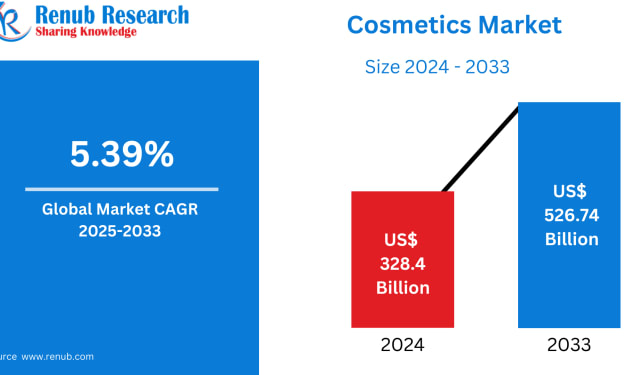
Global Cosmetics Market Size & Forecast 2025–2033
Introduction The global cosmetics market is undergoing one of the most dynamic transformations in its history. No longer defined solely by glamour and aesthetics, the modern beauty industry is increasingly driven by innovation, sustainability, digital engagement, and consumer awareness. From vegan formulations and personalized skincare to AI-powered beauty consultations and social commerce, cosmetics has become a powerful intersection of lifestyle, science, and identity.
By Marthan Sir6 days ago in Styled
Diamond Market Size and Forecast 2025–2033
Introduction The global diamond industry stands at the intersection of tradition, innovation, and evolving consumer values. Long regarded as a symbol of wealth, love, and permanence, diamonds continue to occupy a central position in the luxury goods sector while simultaneously gaining prominence in advanced industrial applications. According to Renub Research, the Diamond Market is expected to reach US$ 54.67 billion by 2033, up from US$ 40.08 billion in 2024, growing at a CAGR of 3.51% during 2025–2033.
By jaiklin Fanandish6 days ago in Styled
Center Stage with Paul Stewart
*** I'm keen to republish the interviews I did for my series with Vocal creators. It's been a few years and I thought it might be nice to revisit these wonderful conversations. I'll be releasing them one at a time for a few weeks/months.
By Heather Hubler4 days ago in Interview


Comments (1)
That seems like a great technology! Great work!