
How Smart Wearable Are Emerging in the Knitting Industry: Innovations Transforming Textile Technology
Revolutionizing Textiles: The Rise of Smart Wearables in the Knitting Industry

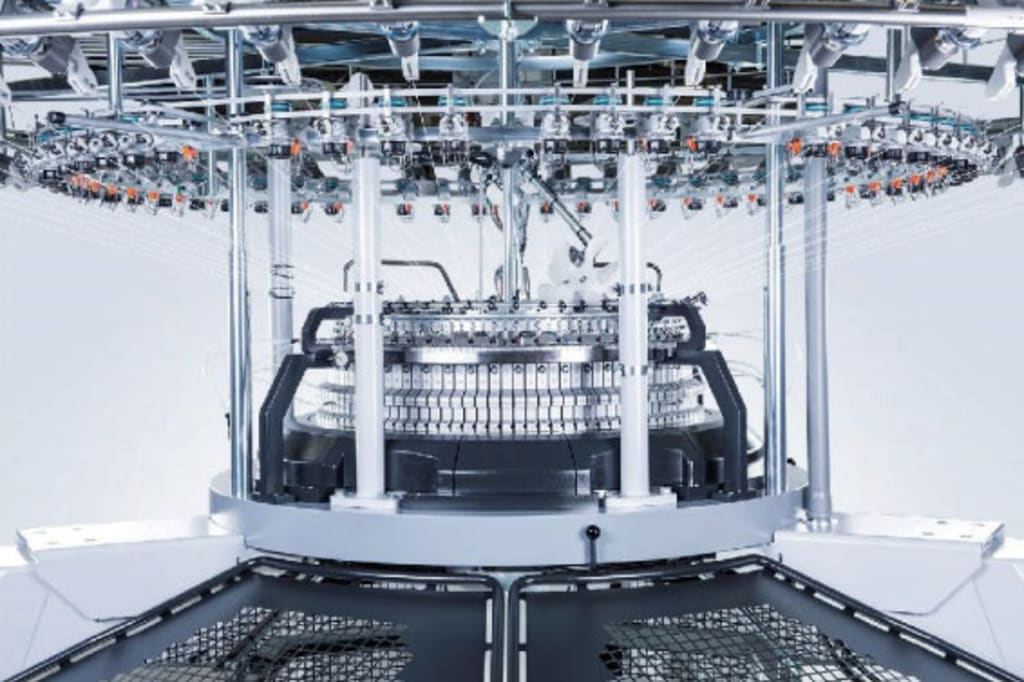
The knitting industry, traditionally associated with handcrafted textiles and mass production, is undergoing a major transformation with the integration of smart wearables. As technology continues to advance, knitted fabrics are no longer just about comfort and aesthetics—they are becoming intelligent, responsive, and multi-functional. Smart wearables in the knitting industry incorporate cutting-edge innovations such as conductive fibber's, embedded sensors, and AI-driven design, redefining how textiles are produced and used. From health monitoring to fashion tech, this revolution is shaping the future of functional and sustainable clothing.
1. The Evolution of Smart Wearables in Knitting
Smart wearables in the knitting industry have evolved from basic textile innovations to high-tech garments with embedded technology. Early advancements included moisture-wicking fabrics and temperature-regulating materials. Today, knitted textiles are integrating electronic components, smart sensors, and wireless connectivity, making them interactive and highly functional. This shift is driven by consumer demand for multi-functional clothing, wearable health monitoring solutions, and fashion innovation.
2. Key Technologies Driving Smart Wearables in Knitting
Several technological advancements are propelling the rise of smart wearables in the knitting industry:
- Conductive Yarns and Fibbers: Traditional yarns are being replaced with conductive fibber's that enable electrical conductivity without compromising comfort. These fibber's allow textiles to interact with electronic devices, making them ideal for health tracking and wearable technology.
- Embedded Sensors: Smart knitted fabrics now include biosensors that monitor vital signs such as heart rate, respiration, and muscle activity. These sensors are seamlessly integrated into garments, offering real-time health tracking without bulky devices.
- Flexible and Washable Electronics: Innovations in flexible electronics ensure that smart textiles remain durable and washable while maintaining their functionality. These electronic components can be stretched, folded, and even machine-washed without losing their effectiveness.
Wireless Connectivity (IoT Integration): Many smart knitted garments now come with Bluetooth and Wi-Fi capabilities, allowing users to connect their wearables to smartphones and other devices for data analysis and personalized insights.
3. Applications of Smart Wearables in Knitted Textiles
Smart wearables in knitting have diverse applications across various industries, including healthcare, sports, fashion, and industrial safety.
A. Healthcare and Medical Textiles
- Remote Health Monitoring: Knitted smart garments embedded with biosensors help patients and healthcare professionals track vital signs without the need for bulky medical devices. These wearables can detect early signs of illness and send alerts to doctors, improving patient care.
- Compression and Therapy Wear: Smart compression garments help improve blood circulation, manage swelling, and provide muscle support. Some knitted wearables use embedded micro-stimulation to aid in pain relief and recovery.
- Temperature-Regulating Knits: Smart knitted fabrics can adjust temperature according to the wearer’s body heat, providing comfort for individuals with conditions such as arthritis or circulatory disorders.
B. Sports and Fitness Wearables
- Performance Tracking Apparel: Knitted sportswear with built-in sensors tracks movement, posture, and muscle activity, providing athletes with real-time feedback to enhance training and prevent injuries.
- Sweat and Hydration Monitoring: Smart knitting technology enables fabrics to analyse sweat composition and hydration levels, helping athletes maintain optimal performance and avoid dehydration.
- Posture-Correcting Wearables: Some knitted smart garments detect poor posture and provide haptic feedback to encourage proper alignment, reducing the risk of back pain and injuries.
C. Fashion and Everyday Wear
- Interactive Clothing: Fashion designers are incorporating smart knitting technology into garments that change colour, display digital patterns, or respond to environmental conditions. These wearables create a new level of personalization in clothing.
- Self-Heating and Cooling Knitwear: Adaptive knitted garments adjust their insulation properties based on temperature, providing comfort in changing weather conditions.
- LED-Embedded Fabrics: Some smart knitted wearables feature LED lights that respond to movement, touch, or sound, making them ideal for artistic and performance applications.
D. Industrial and Workplace Safety
- Smart Protective Clothing: Knitted smart textiles are being used to develop safety gear that detects hazardous chemicals, heat, or electrical currents, protecting workers in high-risk environments.
- Fall Detection Wearables: Smart knitted garments equipped with motion sensors can detect sudden falls or impacts, sending alerts to emergency responders or supervisors.
- Fire-Resistant Smart Textiles: Some smart knitting innovations include fire-resistant materials with embedded sensors that alert wearers to extreme temperatures, helping prevent workplace accidents.
4. Sustainability and Eco-Friendly Innovations in Smart Knitting
The rise of smart wearables in the knitting industry is also driving sustainability efforts. Many brands and researchers are developing Eco-friendly solutions to reduce textile waste and promote a circular economy.
- Biodegradable Smart Textiles: Some knitted smart garments are being made from biodegradable fibbers, ensuring they decompose naturally at the end of their lifecycle.
- Recycled Conductive Materials: Companies are exploring ways to integrate recycled conductive fibbers into smart wearables, reducing electronic waste while maintaining functionality.
- Energy Harvesting Wearables: Some smart knitted garments are designed to generate and store energy from body movement, reducing the need for battery-powered electronics.
5. Challenges and Future Prospects of Smart Wearables in Knitting
Despite the exciting advancements, there are still challenges in the widespread adoption of smart knitting technology:
- Durability and Wash ability: Ensuring that smart knitted wearables remain durable and machine-washable without losing their electronic functionality is a key challenge.
- Cost of Production: The integration of advanced technology into knitted garments increases production costs, making these products less accessible to mainstream consumers.
- Data Privacy Concerns: With the collection of biometric data, concerns about user privacy and data security must be addressed to build consumer trust.
- Standardization and Regulations: The lack of industry-wide standards for smart textiles and wearable technology poses challenges in manufacturing consistency and consumer safety.
Looking ahead, the future of smart wearables in the knitting industry is promising. With ongoing research and innovation, we can expect:
- Advancements in Self-Powering Wearables: More developments in energy-harvesting fabrics will reduce dependency on external power sources.
- Wider Adoption in Everyday Clothing: As costs decrease, smart knitting technology will become more accessible to the general public, integrating seamlessly into daily wear.
- Greater AI Integration: AI-powered smart textiles will provide deeper insights into health, fitness, and lifestyle patterns, enhancing personalized experiences.
- Improved Fabric Flexibility and Comfort: New materials and fabrication techniques will ensure that smart wearables are as soft, stretchable, and comfortable as traditional knitted garments.
Conclusion
Smart wearables in the knitting industry represent the convergence of fashion, technology, and functionality. From healthcare to sports, industrial safety to interactive fashion, these innovations are transforming how we interact with clothing. The integration of conductive fibber's, biosensors, and wireless technology is creating a new era of knitted textiles that go beyond aesthetics, providing real-world benefits to users.
As sustainability and digital transformation continue to shape the textile industry, smart knitting technology is poised for rapid growth. The future of knitted wearables lies in creating intelligent, responsive, and eco-friendly garments that enhance our everyday lives. While challenges remain, the potential for innovation in this space is limitless. With continued research and investment, smart wearables in the knitting industry will become an essential part of the fashion and textile landscape, paving the way for a smarter, more connected world.
About the Creator
textilenews
publisher
Keep reading
More stories from textilenews and writers in Styled and other communities.
The Rise of Seamless Knitting Technology in Apparel Production: Transforming Efficiency, Sustainability, and Design
Seamless knitting technology is revolutionizing the apparel industry by enhancing efficiency, sustainability, and design possibilities. This innovative approach eliminates the need for traditional cut-and-sew methods, reducing material waste, production time, and labour costs. As consumer demand for comfort, performance, and eco-friendly fashion grows, seamless knitting is becoming a game-changer in apparel production. From sportswear to high-fashion garments, brands are adopting this technology to create high-quality, customized, and functional apparel.
By textilenews11 months ago in Styled
Plus Size Salwar Kameez Designs That Don’t Cling or Pull
Finding a plus-size salwar kameez that feels comfortable all day long shouldn’t be complicated, but too often, women end up in outfits that cling, pull, or feel tight in all the wrong places. In 2026, the trend is shifting toward designs that flatter naturally without squeezing or pulling, and the best part is that these looks don’t sacrifice style for comfort. This blog showcases the best plus-size salwar kameez designs that provide ample room to move, breathe, and feel confident, whether you’re attending a family event, heading out for a festive dinner, or simply stepping outside for a casual lunch.
By Amit Mandala day ago in Styled
Hand-Tied vs. Machine Wefts: The Ultimate Guide to Choosing Your Perfect Extensions
In the world of professional hair extensions, "wefts" are the gold standard for adding significant length and volume. However, the choice between Hand-Tied Wefts and Machine Wefts often leaves clients—and even some stylists—uncertain.
By Emma Smith4 days ago in Styled



Comments
There are no comments for this story
Be the first to respond and start the conversation.