
Choosing the perfect coffee table for your home
A guide to your new coffee table
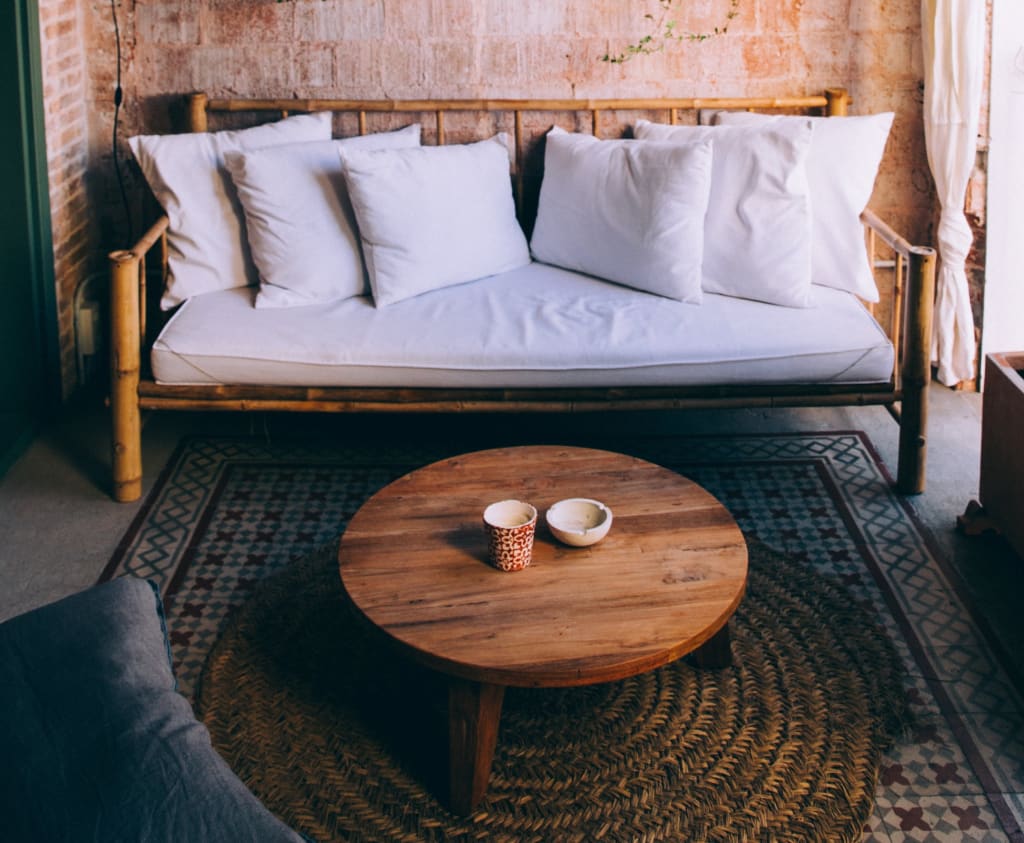
A coffee table is more than just a functional piece of furniture. It serves as the centerpiece of your living room, a space where style meets utility. Whether you're resting your morning coffee on it, displaying a stack of books, or entertaining guests with appetizers, the right coffee table can anchor a room and reflect your personal style. But with so many options available, choosing the right coffee table can be overwhelming. In this article, we’ll explore different types of coffee tables, the materials they’re made from, and tips on how to select one that complements your home.
In any living room or sitting area, the coffee table is often the final piece of the puzzle. It pulls together the design, acting as the focal point of the room. But its purpose is not solely decorative; a coffee table serves practical functions. It's a place to put your drinks, store magazines, and even display decorative items like flowers, candles, or art. When selecting a coffee table, it’s important to strike a balance between aesthetics and functionality.
Different types of coffee tables
Coffee tables come in a variety of styles, sizes, and shapes. Let’s break down some of the most popular types:
Traditional coffee tables
Traditional coffee tables tend to have a classic, timeless design. They are usually made from wood and have decorative details like carved legs, inlays, or ornamentation. These tables often have a warm, elegant feel that fits well in more formal or classic living rooms. A traditional coffee table might pair well with a leather sofa or a grand, plush armchair.
Modern coffee tables
Modern coffee tables feature clean lines, minimalism, and sleek materials. Glass, metal, and marble are common materials in modern designs. The simplicity of these tables makes them versatile, fitting into contemporary or minimalist spaces. If your living room has a modern aesthetic with neutral tones, sleek furniture, and abstract art, a modern coffee table will blend seamlessly.
Rustic coffee tables
Rustic coffee tables bring a sense of warmth and charm to a room. Typically made from reclaimed wood or featuring distressed finishes, these tables evoke a cozy, farmhouse feel. They can also incorporate industrial elements like metal legs or hardware. Rustic tables work well in homes that embrace a more casual, earthy style, or as a contrast piece in a contemporary setting.
Coffee tables with storage space
For those who need additional storage, a coffee table that doubles as a storage unit can be a lifesaver. These tables often come with built-in drawers, shelves, or even hidden compartments where you can store remote controls, books, or blankets. This style is perfect for small spaces or homes that prioritize functionality without compromising style.
Nesting coffee tables
Nesting tables are a set of two or more tables that can be stacked or arranged as needed. They’re great for small spaces because you can use one table when you need it and tuck the others away. They also provide flexibility for entertaining, allowing you to spread them out for drinks and snacks during gatherings.
Choosing the right shape coffee table
The shape of your coffee table should not only complement your room’s style but also suit its layout. Here are some common shapes and their ideal uses:
Rectangular coffee tables
The most traditional shape, rectangular coffee tables are ideal for long sofas or large living rooms. They offer ample surface space and can accommodate a variety of items, from books to trays and decorative pieces. If your seating area is rectangular, this shape will fit seamlessly.
Round coffee tables
Round tables bring a sense of softness to a room, making them perfect for smaller spaces or areas with lots of sharp angles. They also work well in homes with children, as they lack sharp corners. Round tables are particularly well-suited for sectional sofas, where the curves can mirror the shape of the seating.
Square coffee tables
Square coffee tables provide a bold, solid presence in the center of a room. They work best in larger spaces where the seating area is more open. With their large surface area, square tables can hold a variety of items, from books to decorative accents.
Oval coffee tables
If you love the soft edges of a round table but need more length, an oval coffee table is a great alternative. These tables provide a lot of surface space without the harsh lines of a rectangle, offering a more organic flow to the room.
What material should I choose for my new coffee table?
The material of your coffee table will impact both its durability and aesthetic appeal. Different materials have their own unique properties and maintenance needs:
Coffee table in wood
Wood is the most common material for coffee tables, offering warmth, versatility, and durability. It can range from light, natural finishes to darker, more formal tones. Oak, walnut, and mahogany are popular choices, but reclaimed wood has become increasingly trendy for its eco-friendly appeal and rustic charm.
Coffee table in glass
Glass coffee tables bring a modern and airy feel to a room. They’re perfect for smaller spaces since their transparency creates an illusion of openness. However, they require regular cleaning and may not be suitable for homes with small children due to the risk of shattering.
Coffee table in metal
Metal coffee tables, often paired with glass or wood tops, have an industrial vibe. They can be sleek and shiny in modern settings or matte and weathered for a more rustic look. Metal tables are highly durable and resistant to damage, making them a practical option.
Coffee table in marble
Marble is an elegant, luxurious material that can elevate the style of any room. Marble tables are heavy and sturdy, but they require more care, as they can stain and scratch easily. Marble works well in both traditional and modern designs, especially when paired with metal or wood bases.
Sizing and proportion of a coffee table for home
When selecting a coffee table, consider the proportions of your room and seating. The general rule is that the coffee table should be about two-thirds the length of your sofa and sit at the same height or slightly lower than the cushions. A coffee table that is too large will overwhelm the space, while one that is too small will feel disproportionate.
Also, consider the space between the coffee table and other furniture. You should leave about 40-50 cm of space between the table and the surrounding seating, allowing enough room for people to move comfortably.
About the Creator
Keep reading
More stories from writers in Styled and other communities.
Times When Taylor Swift’s Presence Aligned With Chiefs’ Biggest Wins
Who would have ever wondered that one of the globally recognized pop stars, Taylor Swift, would actually be a fan of sports in the realm of football? Engaging with the star player of the Kansas City Chiefs, Travis Kelce, and bringing her support and glam into the gridiron.
By Emilly Smith7 days ago in Styled
Cold Wave Grips Karachi for Third Day as Temperatures Dip to 6.5°C
Karachi, a city better known for its humid summers and mild winters, has been gripped by an unusual cold wave for the third consecutive day, with temperatures plunging to 6.5°C. The sharp drop has surprised residents and disrupted daily life, as chilly winds and cold nights persist across the metropolitan area. For many Karachiites, the weather feels more like a northern winter than the coastal climate they are accustomed to.
By Salaar Jamali6 days ago in Styled




Comments
There are no comments for this story
Be the first to respond and start the conversation.