
Cold Wave Grips Karachi for Third Day as Temperatures Dip to 6.5°C
Unusual chill disrupts routines, raises health concerns, and highlights climate variability in Pakistan’s largest city

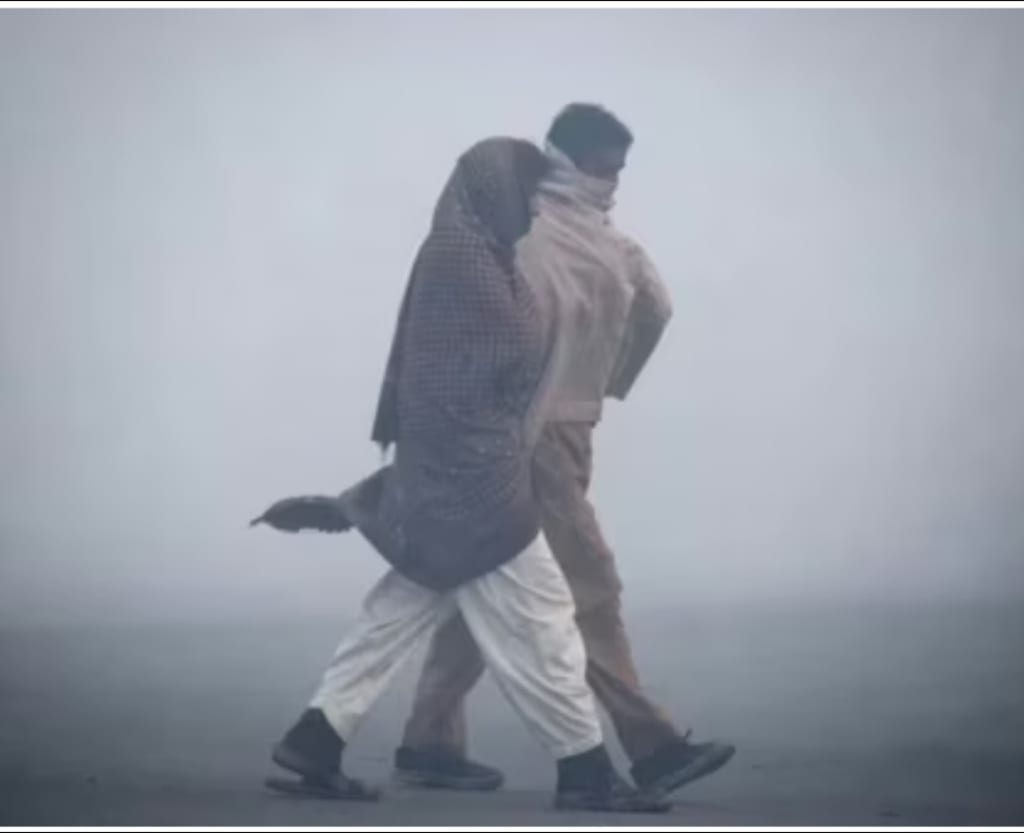
Karachi, a city better known for its humid summers and mild winters, has been gripped by an unusual cold wave for the third consecutive day, with temperatures plunging to 6.5°C. The sharp drop has surprised residents and disrupted daily life, as chilly winds and cold nights persist across the metropolitan area. For many Karachiites, the weather feels more like a northern winter than the coastal climate they are accustomed to.
According to meteorological officials, the cold wave is the result of a strong continental air mass sweeping across Sindh, coupled with clear skies and reduced humidity that have allowed temperatures to fall sharply at night. While winter cold spells are not unprecedented, such low temperatures in Karachi remain relatively rare, making this episode particularly notable.
A City Caught Off Guard
The sudden chill has caught many residents unprepared. Markets selling warm clothing, blankets, and heaters have reported a surge in demand, while roadside vendors offering hot tea and soup have seen brisk business. For people living in poorly insulated homes, especially in informal settlements, the cold has posed significant challenges.
Schools and offices have continued operations, but early mornings and late evenings have become especially difficult for commuters. Motorcyclists and public transport users have been seen layering up, an uncommon sight in a city where winter wardrobes are usually light.
Health Concerns on the Rise
Health experts warn that sudden temperature drops can increase the risk of respiratory illnesses, particularly among children, the elderly, and those with pre-existing conditions. Hospitals and clinics in Karachi have reported a rise in patients suffering from flu, coughs, sore throats, and asthma-related complications.
Doctors advise residents to take precautions such as wearing warm clothing, avoiding exposure to cold winds, and maintaining proper nutrition. They also caution against the unsafe use of gas heaters and makeshift warming devices, which can pose fire and carbon monoxide risks in enclosed spaces.
Impact on Daily Life and Economy
The cold wave has also affected daily routines and certain economic activities. Fishermen along the coast report rougher conditions and reduced activity due to cold winds, while early morning laborers and street vendors face harsher working conditions.
Energy consumption patterns have shifted as well, with increased use of gas and electricity for heating. This has raised concerns about supply pressure, particularly during peak hours. Authorities have urged consumers to use energy responsibly to avoid strain on distribution systems.
Meteorological Perspective
Weather experts explain that Karachi’s proximity to the sea usually moderates extreme temperatures. However, during strong winter systems, cold air from northern regions can travel southward, temporarily overpowering maritime influence. Clear nights and low wind speeds further contribute to sharp temperature drops.
Meteorologists note that while the current cold wave is expected to ease gradually, intermittent cold nights may persist. Daytime temperatures are forecast to remain cool but manageable, offering some relief after sunrise.
Climate Variability and Long-Term Trends
The unusual cold has also reignited discussion about climate variability and changing weather patterns in Pakistan. While global warming is associated with rising average temperatures, scientists emphasize that it can also lead to more frequent and intense weather extremes, including cold spells.
Urban planners and environmental experts argue that cities like Karachi must adapt to a wider range of climatic conditions. Improved housing standards, better urban design, and public awareness campaigns are seen as essential to enhancing resilience against both heatwaves and cold snaps.
Government and Community Response
Local authorities have advised citizens to remain cautious, particularly during nighttime and early morning hours. Welfare organizations and community groups have stepped in to distribute blankets and warm clothing to homeless individuals and low-income families.
Charities have also set up temporary shelters and food distribution points to help those most affected by the cold. Such efforts highlight the importance of community solidarity during extreme weather events.
Looking Ahead
As Karachi experiences its third day under the grip of this cold wave, residents are adjusting to the unseasonable chill while hoping for warmer days ahead. The episode serves as a reminder that even cities with traditionally mild climates are not immune to weather extremes.
For now, authorities urge vigilance, preparedness, and care for vulnerable populations. Whether this cold spell proves to be a brief anomaly or part of a broader trend, it has left a clear impression on a city unaccustomed to such biting winter temperatures.
About the Creator
Keep reading
More stories from Salaar Jamali and writers in Styled and other communities.
Here Are the 2026 Oscar Nominees: A Deep Dive Into Cinema’s Biggest Night
The 2026 Academy Awards nominations have officially been announced, marking a watershed moment for film fans around the globe. As Hollywood prepares for the 98th Oscars ceremony on March 15, 2026, the nominees reflect a powerful blend of established auteurs, fresh voices, and dynamic storytelling across genres and cultures. From record‑breaking nods to surprising snubs, here’s everything you need to know about this year’s crop of Oscar contenders.
By Salaar Jamaliabout 23 hours ago in Styled
A Smart Choice for Your Wedding Hair
A Great Wedding Hair Choice: Human Crochet Hair Extensions. For many Black women, picking wedding hair is very important. You want to look and feel amazing. Human crochet hair extensions are a strong option. They are not like full wigs you just put on. Instead, a stylist uses a small hook. They attach real human hair pieces to your own braided hair. This makes a style that is part of you. It looks very natural and fits you perfectly.
By manman zhai5 days ago in Styled
Sock Geeks: Redefining Style and Comfort Through a Monthly Sock Subscription
In today’s fast-paced world, fashion is no longer just about big statement pieces. The smallest details often make the biggest impact, and socks are a perfect example of this shift. Once considered a basic necessity, socks have evolved into a powerful style element. At the center of this transformation stands Sock Geeks, a brand that has redefined how people experience comfort, creativity, and convenience through a premium sock experience.
By Reach Boost Agency a day ago in Styled


Comments
There are no comments for this story
Be the first to respond and start the conversation.