
Blockchain Technology Enhances Transparency in Apparel Manufacturing: Revolutionizing Supply Chains for a More Ethical Fashion Industry
Blockchain in Apparel Manufacturing: Revolutionizing Transparency, Ethics, and Sustainability

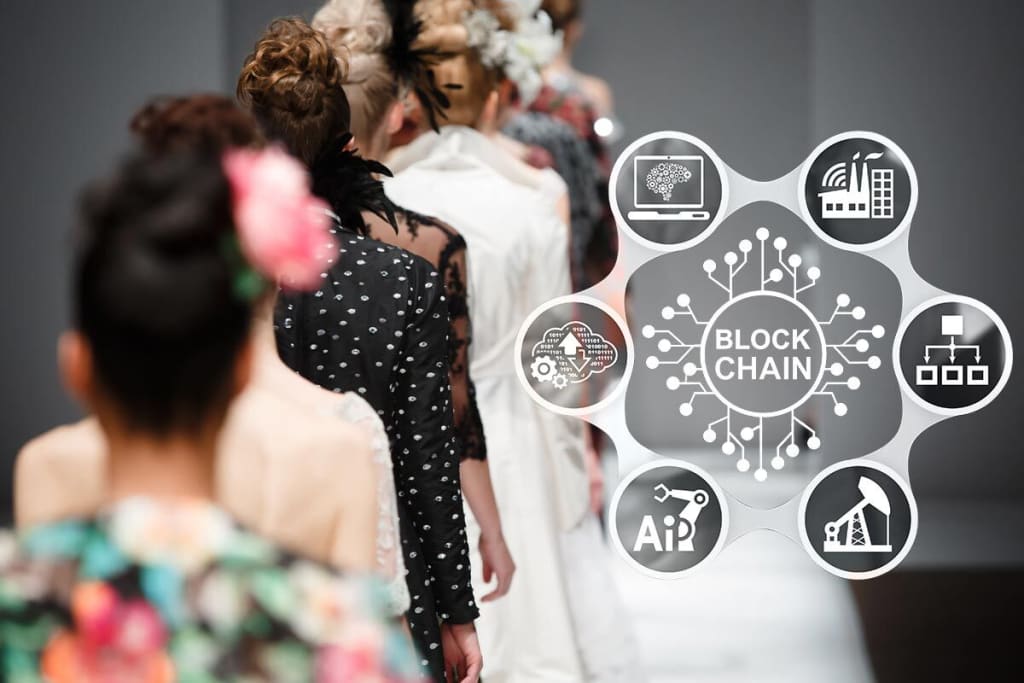
The apparel industry has long faced challenges related to transparency, ethical sourcing, and supply chain accountability. With the rise of fast fashion and complex global supply chains, consumers and regulators are demanding greater clarity about where and how garments are produced. Blockchain technology is emerging as a game-changer, offering a secure and decentralized way to track every stage of apparel production, from raw material sourcing to final delivery.
Blockchain enhances transparency, reduces fraud, and ensures ethical labour practices by creating immutable records that all stakeholders—brands, suppliers, and consumers—can access. This transformation is not just about efficiency; it is reshaping the industry toward greater trust, sustainability, and accountability.
1. The Need for Transparency in Apparel Manufacturing
The fashion industry is notorious for its opaque supply chains, making it difficult to verify ethical labour practices, environmental impact, and material sourcing. Issues such as child labour, worker exploitation, and environmental degradation are rampant in certain regions. Consumers and organizations are increasingly demanding:
- Proof of ethical labour conditions
- Sustainable and eco-friendly material sourcing
- Authenticity of branded products to prevent counterfeiting
- Real-time tracking of garment production
Traditional supply chain management systems lack efficiency and reliability in ensuring transparency. Blockchain technology is providing a solution to these concerns by offering an immutable, tamper-proof ledger that records every step of the production process.
2. How Blockchain Works in Apparel Manufacturing
Blockchain is a decentralized digital ledger that records transactions across multiple computers, ensuring that the data is secure, transparent, and unalterable. In apparel manufacturing, blockchain enables:
- End-to-End Tracking: Every stage of the supply chain, from raw material procurement to final delivery, is recorded in real-time.
- Smart Contracts: Automated agreements that enforce compliance between brands, suppliers, and manufacturers.
- Authentication of Goods: Verifies product authenticity and prevents counterfeit products from entering the market.
- Immutable Records: Ensures that once data is recorded, it cannot be altered or tampered with.
By integrating blockchain into their operations, fashion brands can ensure that every process in their supply chain meets ethical and sustainability standards.
3. Benefits of Blockchain for the Apparel Industry
a) Enhancing Supply Chain Transparency
With blockchain, brands can provide a digital footprint of a product’s journey, making it easier for consumers to verify where and how their clothes are made. This improves consumer trust and brand reputation.
b) Ensuring Ethical Labour Practices
One of the biggest issues in the apparel industry is labour exploitation. Blockchain enables brands to monitor working conditions in factories by recording verifiable data on worker wages, hours, and safety standards.
c) Combating Counterfeiting
The fashion industry loses billions of dollars annually due to counterfeit goods. Blockchain can store unique product identifiers, such as QR codes or RFID tags, which allow consumers and retailers to verify authenticity instantly.
d) Improving Sustainability Efforts
Brands using blockchain can track and verify the sustainability of their supply chains, ensuring that materials are sourced responsibly and reducing environmental impact through better resource management.
e) Streamlining Compliance with Regulations
Governments and international organizations are enforcing stricter labour and environmental regulations. Blockchain simplifies compliance by providing verifiable data, reducing the risk of legal penalties for brands.
4. Real-World Applications of Blockchain in Apparel Manufacturing
a) Big Brands Adopting Blockchain
Several major fashion brands are already leveraging blockchain to enhance transparency. For example:
- H&M and Zara have started implementing blockchain to track organic cotton sourcing.
- Nike uses blockchain-based authentication for its limited-edition sneakers through its CryptoKicks platform.
- Patagonia employs blockchain to trace its sustainable wool supply chain.
b) Consumer-Facing Blockchain Applications
Some brands are using blockchain to provide consumers with direct access to product data:
- QR Code Labels: Shoppers can scan a QR code on clothing tags to access information about material origin, factory conditions, and sustainability certifications.
- Digital Passports for Clothing: Some companies are introducing digital IDs that allow consumers to verify a product’s history, including repairs, resale, and recycling.
c) Collaboration with NGOs and Regulators
Many non-profit organizations and governmental bodies are working with fashion brands to establish blockchain-powered platforms that ensure fair trade and ethical manufacturing practices.
5. Challenges of Implementing Blockchain in Apparel Manufacturing
While blockchain offers immense benefits, it also comes with challenges:
a) High Initial Implementation Costs
Integrating blockchain into existing supply chains requires substantial investment in technology, training, and infrastructure. Small and medium-sized brands may find it difficult to afford these costs.
b) Data Management and Accuracy
Blockchain is only as reliable as the data inputted into it. If incorrect or fraudulent data is recorded at the source, blockchain alone cannot solve transparency issues. Robust verification mechanisms are needed.
c) Industry-Wide Adoption
For blockchain to be truly effective, all stakeholders—suppliers, manufacturers, retailers, and regulators—must adopt the technology. Industry-wide standardization is still a work in progress.
d) Privacy Concerns
While transparency is beneficial, some brands and suppliers may be reluctant to share sensitive business information. Finding a balance between transparency and data privacy is crucial.
6. The Future of Blockchain in Apparel Manufacturing
Despite the challenges, blockchain technology is set to revolutionize the fashion industry. The future will likely see:
- Increased Adoption by Brands: More companies will integrate blockchain to enhance supply chain visibility and meet sustainability goals.
- Government and Industry Regulations: Authorities may mandate blockchain implementation to ensure ethical labour practices and environmental compliance.
- Integration with Other Technologies: Blockchain will merge with AI, IoT, and big data analytics to provide even greater efficiency in tracking and verifying apparel production.
- Consumer Empowerment: Shoppers will demand blockchain-verified information, influencing brands to maintain higher ethical and quality standards.
As technology advances, blockchain will become a fundamental part of the apparel manufacturing industry, setting new benchmarks for transparency, sustainability, and ethical production.
Conclusion
Blockchain technology is transforming the apparel manufacturing industry by enhancing transparency, preventing counterfeiting, ensuring ethical labour practices, and promoting sustainability. Although challenges remain in implementation and adoption, the potential benefits outweigh the obstacles.
As brands, consumers, and regulatory bodies recognize the value of blockchain, the industry will move toward a future where fashion is not only stylish but also ethical and environmentally responsible. The integration of blockchain into apparel manufacturing is not just a trend—it’s a necessary evolution toward a more transparent and accountable industry.
About the Creator
textilenews
publisher
Keep reading
More stories from textilenews and writers in Styled and other communities.
Luxury Fashion Houses Invest in Sustainable Materials: Redefining High-End Fashion for a Greener Future
Luxury fashion has long been associated with exclusivity, craftsmanship, and opulence. However, as global concerns over climate change, pollution, and unethical labour practices intensify, even the most prestigious fashion houses are shifting toward sustainability. The demand for Eco-friendly alternatives has led luxury brands to invest heavily in sustainable materials, pioneering a new era of responsible luxury.
By textilenews10 months ago in Styled
What Are Custom Top Tuck Boxes? Evaluate Sizes Styles and Printing Options
Custom top tuck boxes provide a functional yet visually appealing way to package merchandise. Among the many different ways to package items for a consumer, custom top tuck boxes are among the most flexible options today.
By CEO A&S Developers7 days ago in Styled
Silver Screen Magic with Mae West
American actress and singer Mae West became a popular film actress during the Great Depression. She started entertaining in vaudeville, then performed on Broadway, and finally went to Hollywood. She signed up with Paramount Pictures and made her debut in the 1932 film “Night After Night.” She also starred in musicals, comedies, and crime dramas. The American Film Institute named her one of the best classic Hollywood actresses.
By Rasma Raisters6 days ago in Geeks


Comments
There are no comments for this story
Be the first to respond and start the conversation.