
Luxury Fashion Houses Invest in Sustainable Materials: Redefining High-End Fashion for a Greener Future
The Evolution of Luxury: How High Fashion is Embracing Sustainability

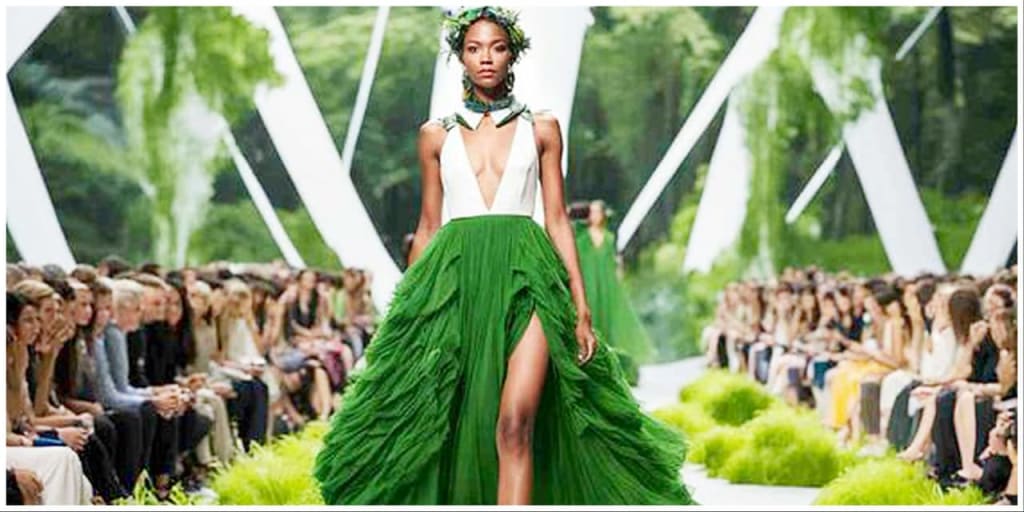
Luxury fashion has long been associated with exclusivity, craftsmanship, and opulence. However, as global concerns over climate change, pollution, and unethical labour practices intensify, even the most prestigious fashion houses are shifting toward sustainability. The demand for Eco-friendly alternatives has led luxury brands to invest heavily in sustainable materials, pioneering a new era of responsible luxury.
In recent years, industry giants such as Gucci, Prada, Chanel, and Louis Vuitton have redefined their approach by integrating sustainable fabrics, ethical sourcing, and innovative production techniques. This shift is not only driven by consumer expectations but also by evolving government regulations and the desire to future-proof their businesses. Below, we explore how luxury fashion houses are embracing sustainability through material innovation and responsible production.
1. The Growing Demand for Sustainability in Luxury Fashion
Luxury consumers, once primarily focused on status and exclusivity, are now increasingly prioritizing sustainability. The rise of environmentally conscious shoppers—especially Gen Z and Millennials—has forced luxury brands to rethink their strategies. Today’s buyers expect high-quality products that align with their values, including ethical sourcing, cruelty-free alternatives, and minimal environmental impact.
Furthermore, social media has amplified awareness of sustainability issues. Platforms like Instagram and TikTok showcase both the positive and negative aspects of the fashion industry, pushing luxury brands to adopt more transparent and ethical practices.
2. Sustainable Materials Transforming Luxury Fashion
Luxury brands are actively investing in alternative materials that reduce environmental impact while maintaining the high-quality standards expected in the high-fashion industry. Some of the most innovative sustainable materials include:
a. Organic and Regenerative Cotton
Unlike conventional cotton, which requires large amounts of water and pesticides, organic cotton is grown without harmful chemicals. Luxury brands like Stella McCartney and Chanel are incorporating organic cotton into their collections to support sustainable farming practices.
b. Vegan and Bio-Engineered Leather
Traditional leather production is notorious for its environmental footprint, from deforestation to chemical waste. Luxury houses are now experimenting with plant-based and lab-grown alternatives such as:
- Mushroom leather (Mylo) – Used by Stella McCartney and Hermès.
- Apple leather – Made from apple waste, used by brands like Hugo Boss.
- Lab-grown leather – Developed through bioengineering, offering an ethical alternative without sacrificing quality.
c. Recycled and Upcycled Materials
Luxury brands are increasingly using recycled textiles to reduce waste. Gucci’s Econyl (regenerated nylon from fishing nets and industrial plastic waste) is a prime example of how brands can transform waste into high-end fashion. Similarly, Louis Vuitton has launched upcycled collections, repurposing unsold or unused materials to create new products.
d. Sustainable Wool and Cashmere
Luxury knitwear brands such as Loro Piana and Burberry are sourcing wool and cashmere from certified sustainable farms that practice ethical animal treatment and regenerative grazing. The Responsible Wool Standard (RWS) ensures that these materials meet high environmental and animal welfare standards.
e. Plant-Based and Innovative Fabrics
The use of alternative fabrics derived from plants and algae is gaining momentum. Materials such as Tencel (wood pulp-based fibber), Piñatex (pineapple leaf fibber), and hemp are providing eco-friendly options without compromising luxury aesthetics.
3. High-Fashion Brands Leading the Sustainable Revolution
Several iconic luxury fashion houses are spearheading the move toward sustainable materials and production:
a. Gucci: A Commitment to Carbon Neutrality
Gucci, a leader in sustainable luxury, has pledged to become entirely carbon neutral. Through its Gucci Off The Grid collection, the brand utilizes recycled and organic materials while supporting responsible sourcing. Gucci has also banned fur and continues to explore vegan leather innovations.
b. Prada: The Re-Nylon Initiative
Prada’s Re-Nylon project focuses on transforming ocean plastic, fishing nets, and textile fibber waste into regenerated nylon. This initiative highlights how a heritage brand can modernize by reducing dependence on virgin materials while maintaining its signature style and craftsmanship.
c. Stella McCartney: Pioneering Ethical Luxury
As one of the earliest advocates of sustainable luxury, Stella McCartney has consistently led the industry in ethical fashion. The brand avoids animal products entirely and utilizes cutting-edge sustainable materials like Mylo mushroom leather and regenerated cashmere. McCartney’s commitment to circular fashion continues to influence the broader luxury market.
d. Hermès: A Blend of Tradition and Innovation
While Hermès is known for its traditional leather craftsmanship, the brand has begun integrating sustainable materials, such as Mylo leather, into its classic designs. By blending innovation with heritage, Hermès is setting a precedent for traditional luxury brands to modernize their sustainability efforts.
e. Louis Vuitton: Investing in Circular Fashion
Louis Vuitton has embraced sustainability through its upcycling initiatives and eco-designed packaging. The brand’s commitment to responsible production is evident in its integration of recycled materials and sustainable sourcing for its collections.
4. Technology and Innovation Driving Sustainability
Advancements in technology are playing a crucial role in helping luxury brands implement sustainability:
- AI & Blockchain for Transparency: Many brands are utilizing blockchain technology to provide transparency in sourcing and manufacturing, ensuring ethical supply chains.
- 3D Printing & Digital Fashion: By using 3D printing, brands can minimize fabric waste and create precise, efficient designs. Digital fashion is also emerging as a low-impact alternative to physical production.
- Waterless Dyeing Techniques: Traditional dyeing processes consume vast amounts of water and chemicals. Innovations in waterless dyeing and natural pigment extraction reduce pollution while maintaining vibrant colours.
5. Challenges in Sustainable Luxury Fashion
Despite the progress, luxury fashion houses still face significant challenges:
- Cost & Accessibility: Sustainable materials and ethical production methods often come at a higher cost, making affordability a concern for wider adoption.
- Consumer Scepticisms: Greenwashing—when brands falsely claim sustainability—remains a concern. Consumers demand proof of sustainability, pushing brands to improve transparency.
- Scalability Issues: Some sustainable materials, such as bio-fabricated leather, are still in early stages of production and require further development for large-scale use.
6. The Future of Sustainable Luxury Fashion
The luxury fashion industry is at a turning point. As innovation accelerates and consumer expectations evolve, sustainability will continue to shape high fashion. The future of sustainable luxury will likely include:
- Increased Use of AI & Blockchain for Traceability
- More Luxury Brands Phasing Out Animal-Based Products
- Expansion of Rental & Resale Luxury Markets
- Stricter Sustainability Regulations & Compliance
Conclusion
Luxury fashion houses are no longer just trendsetters in aesthetics—they are becoming pioneers in sustainability. By investing in sustainable materials, embracing circular fashion, and utilizing cutting-edge technology, high-end brands are redefining what luxury means in the modern world.
The shift toward sustainability is not just a passing trend but a fundamental change in how the industry operates. As more luxury brands commit to eco-conscious practices, the future of fashion looks greener, more ethical, and equally luxurious.
About the Creator
textilenews
publisher
Keep reading
More stories from textilenews and writers in Styled and other communities.
Fashion Brands Embrace AI for Personalized Shopping Experiences: Revolutionizing Retail with Smart Technology
The fashion industry is undergoing a technological transformation, and artificial intelligence (AI) is at the forefront of this revolution. From personalized recommendations to virtual try-ons, AI-driven innovations are reshaping the way consumers shop for clothing and accessories. As e-commerce and digital retail continue to grow, brands are leveraging AI to enhance customer experiences, streamline operations, and boost sales.
By textilenews10 months ago in Styled
Latest Women’s Fashion News: Trends Shaping Modern Style
Women’s fashion is undergoing a powerful transformation, shaped by changing lifestyles, global cultural influences, and a growing demand for individuality and responsibility. In recent years, fashion has moved beyond seasonal trends and has become a reflection of personal values, comfort, and confidence. The latest women’s fashion news highlights a dynamic industry where creativity meets practicality, and tradition blends seamlessly with modern innovation. From runways to street style, women’s fashion is redefining how style is perceived and worn across the world.
By duran lorena7 days ago in Styled
Cocktail Dresses That Are Chic, Comfortable, and Stylish
Cocktail attire has evolved to meet the needs of modern women who want to look polished without sacrificing comfort. Today’s chic cocktail dresses are thoughtfully designed to balance style, ease, and versatility—making them perfect for weddings, evening parties, receptions, and special celebrations.
By Style Sparksabout 8 hours ago in Styled




Comments
There are no comments for this story
Be the first to respond and start the conversation.