
A Complete Guide to Diamond Bracelets: Styles, Settings, and Care Tips
A Beginner’s Look at Styles, Settings, and Maintenance That Actually Matter

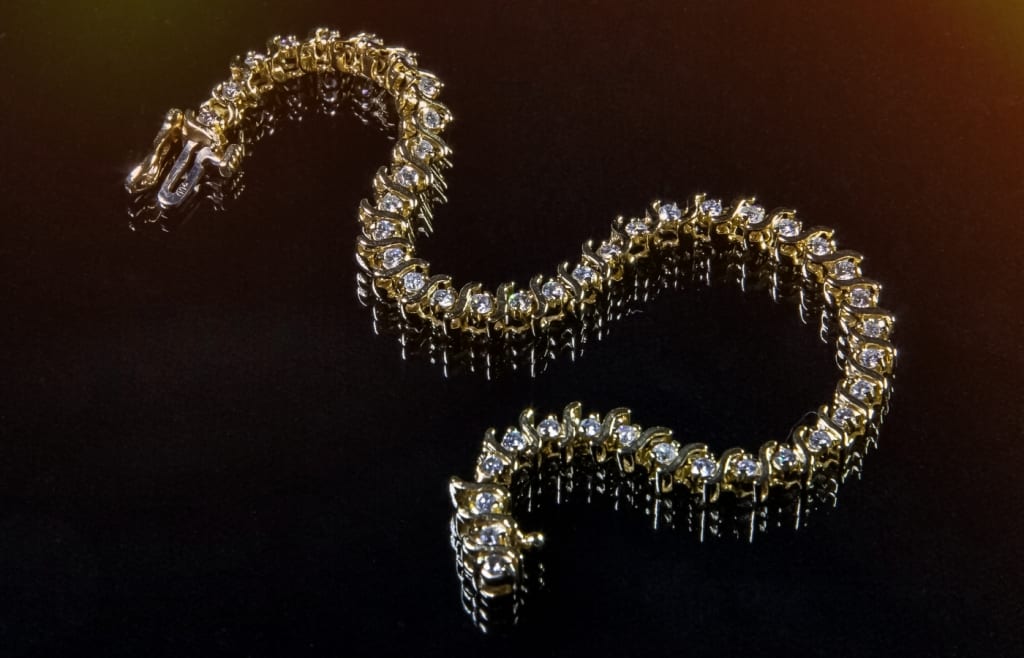
You’re getting ready for a special night out and as you glance at your wrist something catches your eye. A few stones on your diamond bracelet look a little dull or maybe even slightly loose. You start to worry that one could fall out. The clasp feels harder to close than it used to or you’ve begun to notice small scratches on the metal. These kinds of issues are more common than you might think. Diamond bracelets are beautiful but they’re also delicate and need the right care to stay in great shape. Many problems happen because of the style you choose, the type of setting or how often you wear it. In this guide you’ll learn what causes these issues and what you can do to prevent them. We’ll walk through the different bracelet styles, popular settings and easy care tips that help keep your diamond bracelet looking just as stunning as the day you got it.
Why Problems Happen
Before we dive into solutions it helps to know why loose stones, dull surfaces, broken clasps or damage in bracelets happen in simple terms.
Normal wear and tear : Every time you move your wrist the bracelet rubs against things. Tiny impacts occur when you brush against surfaces. Metals scratch over time. The fasteners get stressed each time you open or close them.
Inappropriate setting for your lifestyle : If your bracelet has extremely high set stones that stick out, those stones are easier to catch or bump. If the setting is very fine or delicate and you wear it daily while doing physical tasks you risk damage.
Lack of maintenance or cleaning : Dirt oil lotion or dust build up reduces sparkle and may hide loose stones. Without periodic inspections small problems become big ones.
Clasp or fitting issues : A poorly fitted bracelet shifts more and thus parts wear more. Clasps come under stress and if not well made or inspected they may fail.
Styles of Diamond Bracelets
Here are key styles you may see. Choosing one that suits your taste and lifestyle will reduce problems before they even start.
Tennis Bracelet: This is a continuous row of diamonds set in a line usually around the wrist. Elegant and classic. Works well for formal occasions and can be worn daily if built with sturdy settings.
Box Bracelet: These bracelets have geometric shapes often with a box clasp. They may mix diamonds with other gemstones. Often chunkier than delicate chain styles.
Cuff Bracelet: A rigid or semi rigid band that wraps around the wrist. Diamonds may be set into one side or all the way around. Ideal if you want a bold look but may be less flexible for wrist shape.
Charm Bracelet with Diamonds: A chain base with diamond charms hanging. This style offers playfulness. But charms swing and may be more prone to catching or damage.
Bangle Bracelet: Unbroken loops of metal often slip on or hinge open. Diamond bangles are gorgeous but require perfect size fit. If too loose they slide and hit things often; if too tight they stress when you put them on.
Types of Settings Explained
The way diamonds are secured in the bracelet determines durability, sparkle and silhouette. Here are common settings you will find.
Prong Setting: Tiny metal claws hold each diamond. Prongs allow lots of light in giving a strong sparkle. But prongs can catch fabric and may wear thin over time so need checks.
Bezel Setting: Metal surrounds or edges of stone often all around its edge. Very protective of the stone. Slightly less sparkle because less light enters from the side but gives peace of mind.
Channel Setting: Diamonds set between two metal walls all aligned. Stones rest flush inside channels. Very secure, most edges are protected. Great for styles like tennis bracelets.
Pave Setting: Many small diamonds set close together with minimal metal visible between them. Gives intense sparkle. But small stones and small settings need careful cleaning and inspections.
Invisible Setting: Stones seem to float with no visible metal between them. Very striking. But complex to build. If the setting fails small stones may come out. Repairs are more involved.
Shared Prong Setting: Each prong holds two adjacent stones. Gives less metal appearance and more light. But prongs must be well made and thick enough to prevent bending or wear.
Choosing the Right Bracelet for Your Lifestyle
You want a style and setting that suits how you live. Here are factors to consider to avoid problems later.
How often will you wear it: If only for special events you can opt for delicate styles or higher risk settings. If you want daily wear, pick more protective settings like bezel or channel.
What tasks you do daily: If you use your hands often at work or for hobbies go for settings that hug the wrist smoothly with no sharp points. Avoid dangling charms if you often use gloves or fabric.
Fit and comfort: A bracelet should not slide far up your arm but should have some room. Too tight leads to rubbing and sweat build up. Too loose leads to knocks and catching.
Metal and material choices: White gold rose gold yellow gold platinum each metal has trade offs. Platinum is tough and resists wear well but heavier and may cost more. Gold can scratch but is easier to repair.
Budget and design priorities: Prioritize what matters most to you. Sparkle clarity durability or design uniqueness. High clarity small diamonds sparkle more but cost rises. Lower clarity with smart cuts and settings might offer better value.
How to Inspect Before Buying
Before making a purchase especially online or from a new jeweler follow these simple steps.
Ask for magnified photos or see pieces in person so you can check prongs bezels and small settings.
Check clasp security to ensure it closes firmly and has a safety latch if possible.
Review return policy and warranty make sure you can have repairs done and stones replaced if needed.
Consider having appraisals for insurance or peace of mind to know what you own.
Look for certification especially for diamonds whose cut clarity color and carat should be documented by a reputable lab.
Care Tips: Keep Your Diamond Bracelet Sparkling
Here are hands on steps you can follow at home and tools you might use to maintain your bracelet.
Daily Little Care
- Remove when doing chores such as washing dishes, gardening or heavy lifting so chemicals dirt or knocks do not damage stones or metal.
- Put on last when dressing after perfume lotion make up to avoid chemical residues settling on metal or stones.
- Use a gemology or jewelry appraisal app to log images, notes date of purchase and any inspections. This helps compare over time to see if something loosens.
- Use augmented reality tools online that let you try bracelets on virtually to gauge look size and style before buying.
- Use budgeting tools or cost calculators to compare sets with different diamonds styles and metals.
- Buying too loose fit letting the bracelet bang frequently causing wear.
- Choosing style purely for sparkle ignoring protection value of setting.
- Skipping routine inspection letting small damage become a big problem.
- Using harsh chemicals bleach or strong cleaners damaging metal or stones.
- Letting clasp or mechanical components go without repair until failure.
Cleaning at Home
You can clean using gentle soap, warm water and a soft toothbrush. Soak the bracelet for a few minutes then gently brush around stones, prongs and clasp. Rinse well and dry using microfiber cloth which resists scratching.
Tools That Help
A jewelry loupe with ten times magnification lets you inspect prongs and gemstones.
A sturdy microfiber cloth for polishing without scratching.
A soft brush set made for jewelry cleaning.
Jewelry box or pouch that separates pieces to avoid scratches.
Professional Maintenance
Have a jeweler inspect your bracelet every year or as needed. They can tighten prongs, polish metal and check for structural wear. For deeper cleaning ultrasonic or steam cleaning may be used by professionals.
How to Use Apps and Online Tools
You can use certain apps or websites to help you decide what to buy or track your piece’s condition.
Common Mistakes to Avoid
Where to Shop and What to Look for
If you want reliable source options consider well established jewelers with a clear reputation. For example websites that provide full product details, clear pictures, good return policy and certifications. One such source is Hollywood Gems which offers beautiful diamond bracelets with a variety of detailed listings and supportive customer service Hollywood Gems. Compare designs in person if possible or similar models online to understand quality differences.
Also you may research diamond basics for background information using high authority resources such as the diamond article on Wikipedia which explains cut clarity carats and color in depth wikipedia.org/wiki/Diamond.
Summary
A diamond bracelet is a beautiful investment when chosen and maintained wisely. Understand what style fits your life, what setting offers both beauty and protection and how regular care prevents damage. With simple tools, regular checks and good cleaning habits your bracelet can retain its sparkle and stay comfortable for years. Take time before purchasing, inspect often, avoid rough situations and enjoy your piece confidently.
Disclaimer
This guide is for educational purposes and does not replace professional advice from certified gemologists or qualified jewelers. Always consult a trusted jeweler for repairs valuations or questions about gemstone authenticity or safety.
About the Creator
Hollywood Gems
Hollywood Gems is a curated destination for luxury jewelry and watches, offering a personalized experience for discerning taste. We believe in the power of timeless pieces to mark life's special moments and enhance your everyday brilliance.
Keep reading
More stories from Hollywood Gems and writers in Styled and other communities.
What Does Lab Created Diamond Mean?
The world of fine jewelry is changing, and one of the biggest shifts is the rise of lab created diamonds. For years, shoppers have asked the same questions: Are they real? Do they sparkle like natural diamonds? Are they worth buying?
By Hollywood Gems5 months ago in FYI
When Video Game Wardrobes Start Influencing Real-World Fashion
Video games have always shaped culture, but in recent years they’ve begun shaping closets too. What players once admired only on a screen now shows up in streetwear, cosplay, and everyday outfits. One of the strongest examples of this crossover comes from Death Stranding 2, a title that continues to blur the line between digital storytelling and wearable design.
By emma watson6 days ago in Styled




Comments
There are no comments for this story
Be the first to respond and start the conversation.