
What Does Lab Created Diamond Mean?
Everything you need to know about lab created diamonds and how they compare to natural ones

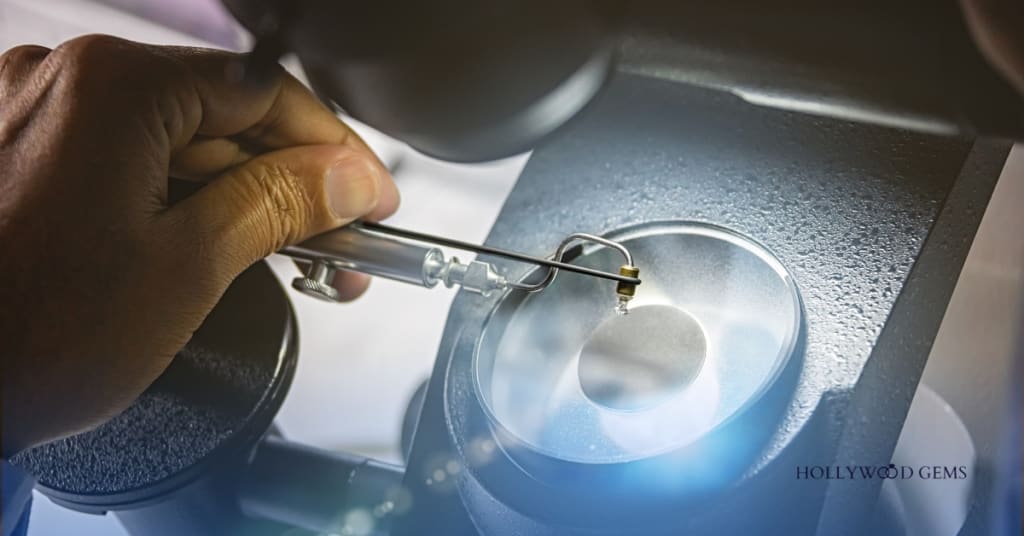
The world of fine jewelry is changing, and one of the biggest shifts is the rise of lab created diamonds. For years, shoppers have asked the same questions: Are they real? Do they sparkle like natural diamonds? Are they worth buying?
Confusion often comes from the wording some assume “lab created” means artificial or fake. The truth is very different.
Lab created diamonds are real diamonds grown in controlled laboratory environments using advanced technology that replicates natural diamond formation.
They're chemically, physically, and optically identical to mined diamonds, offering the same brilliance and durability at 30-50% less cost.
When I first heard about lab created diamonds, I was skeptical. How could something made in a lab be as beautiful and valuable as a diamond formed deep within the earth over billions of years?
After years of working with these remarkable gems, I can tell you that lab created diamonds have revolutionized the jewelry industry in ways that benefit both consumers and our planet.
Understanding Lab Created Diamonds: The Science Behind the Sparkle
Lab created diamonds, also called lab-grown diamonds, synthetic diamonds, or cultured diamonds, represent one of science's most impressive achievements.
These diamonds are produced in controlled laboratory environments using cutting-edge technology that mimics the extreme conditions found deep within Earth's mantle.
The term "synthetic" can be misleading here. Unlike diamond simulants such as cubic zirconia or moissanite, lab created diamonds are composed of pure carbon atoms arranged in the same crystal lattice structure as natural diamonds.
This means they possess identical physical properties, including the same hardness (10 on the Mohs scale), thermal conductivity, and refractive index.
The Federal Trade Commission Definition
In 2019, the Federal Trade Commission officially updated its jewelry guidelines, removing the word "natural" from the definition of diamonds.
The FTC now defines a diamond as "a mineral consisting essentially of pure carbon crystallized in the isometric system." This change recognizes that lab-grown diamonds are, by every scientific measure, real diamonds.
How Are Lab Created Diamonds Made?
The creation of lab-grown diamonds involves two primary methods, both of which replicate the extreme conditions under which natural diamonds form.
High Pressure High Temperature (HPHT) Method
The HPHT process closely mimics nature's diamond creation method. Diamond seeds are placed in specialized machines weighing hundreds of tons, where they're subjected to:
- Temperature: Approximately 1,500°C (2,730°F)
- Pressure: 5 GPa (730,000 psi)
- Duration: Several weeks
During this process, carbon melts around the diamond seed, forming layers that grow into a rough diamond crystal. HPHT diamonds typically grow as cuboctahedrons and may have a slight yellow tint due to nitrogen presence during creation.
Chemical Vapor Deposition (CVD) Method
The CVD process represents a more modern approach to diamond synthesis. A thin diamond seed is placed in a vacuum chamber filled with carbon-rich gases, typically methane and hydrogen. The process involves:
- Temperature: Around 800°C (1,472°F)
- Pressure: Low pressure environment
- Duration: 6-12 weeks
Microwave energy breaks down the gas molecules, causing carbon atoms to deposit on the seed crystal layer by layer. CVD diamonds grow as tabular crystals and often require post-growth treatment to enhance color and clarity.
Growth Timeline Comparison
While natural diamonds form over 1-3 billion years deep within the Earth, lab created diamonds develop in just weeks to months.
This accelerated timeline doesn't compromise quality; it simply demonstrates human innovation in replicating geological processes.
Lab Created vs Natural Diamonds: Key Differences
Physical and Chemical Properties
- Hardness: Both rank 10 on the Mohs scale
- Thermal conductivity: Identical properties
- Chemical composition: Pure carbon crystal structure
- Optical properties: Same brilliance, fire, and scintillation
Visual Identification
Even trained gemologists cannot distinguish between lab created and natural diamonds using standard tools. Specialized equipment and advanced testing methods are required to identify origin.
Formation Differences
Natural diamonds formed billions of years ago under extreme pressure and temperature conditions deep within Earth's mantle. lab created diamonds replicate these conditions using modern technology, producing identical results in controlled timeframes.
The Cost Advantage: Why Lab Created Diamonds Cost Less
One of the most compelling aspects of lab created diamonds is their cost advantage. Here's what you need to know:
Price Comparison
Lab-grown diamonds typically cost 30-50% less than natural diamonds of equivalent size and quality. This price difference allows consumers to:
- Purchase larger diamonds within the same budget
- Invest in higher quality grades (better color, clarity, or cut)
- Allocate budget toward custom settings or additional jewelry pieces
Supply Chain Efficiency
The reduced cost stems from:
- Shorter supply chains
- Controlled production environments
- Elimination of mining-related expenses
- Reduced geographic transportation costs
Market Value Trends
The lab-grown diamond market was valued at over $27.2 billion in 2023, with forecasts suggesting it will reach 10% of the total diamond market by 2030. Lab-grown diamonds accounted for 14.3% of the worldwide diamond market in 2023, with expectations to reach over 21% by 2025.
Environmental and Ethical Considerations
Environmental Impact
Research from Stanford Magazine indicates that natural diamonds create 143 pounds of carbon dioxide emissions per carat mined—five-and-a-half times what it takes to make synthetic diamonds. Lab created diamonds offer environmental advantages through:
- No land disruption from mining operations
- Reduced carbon footprint per carat
- Elimination of ecosystem destruction
- Conservation of water resources
Ethical Sourcing
Lab created diamonds provide:
- Complete supply chain transparency
- Zero risk of conflict diamond purchases
- Traceable origin from laboratory to market
- Support for sustainable jewelry practices
The Kimberley Process Context
While the Kimberley Process has significantly reduced conflict diamonds since 2003, lab created diamonds offer absolute certainty regarding ethical sourcing.
Quality and Grading: The 4 Cs Apply
Lab created diamonds are evaluated using the same grading standards as natural diamonds:
Cut Quality
Lab created diamonds often receive superior cuts because:
- Controlled rough formation allows optimal cutting
- Less material waste during shaping
- Better optical performance potential
- Consistent crystal structure
Color Grading
Lab created diamonds are available in:
- Colorless grades (D-F)
- Near-colorless grades (G-J)
- Fancy colors (pink, blue, yellow, green)
- Custom color creation possibilities
Clarity Characteristics
Like natural diamonds, lab created diamonds can contain:
- Inclusions from the growth process
- Surface blemishes
- Growth patterns unique to creation method
- Clarity grades from FL (Flawless) to I3
Carat Weight Options
Most lab-grown diamonds available in the market are below 2 carats, with the below-2-carat segment accounting for more than two-thirds of global lab-grown diamond market revenue. However, technological advances now allow production of diamonds exceeding 10 carats.
Certification and Authentication
Recognized Grading Laboratories
- GIA (Gemological Institute of America): Issues specific lab-grown diamond reports
- IGI (International Gemological Institute): Provides comprehensive grading for lab created diamonds
- GCAL (Gem Certification and Assurance Lab): Offers detailed origin verification
Certificate Features
Lab-grown diamond certificates include:
- Creation method identification (HPHT or CVD)
- Complete 4 Cs grading
- Origin verification
- Unique identification numbers
- Digital blockchain tracking (select providers)
Applications Beyond Jewelry
Industrial Uses
Lab created diamonds serve numerous industrial applications:
- Cutting tools: Superior hardness for precision cutting
- Electronics: Heat dissipation in semiconductors
- Optical applications: Laser components and windows
- Medical devices: Surgical instruments and diagnostic equipment
Emerging Technologies
Research continues expanding lab-diamond applications in:
- Quantum computing components
- Advanced electronics manufacturing
- Scientific instrumentation
- Aerospace applications
Buying Guide: Choosing Lab Created Diamonds
Setting Realistic Expectations
When purchasing lab created diamonds, consider:
- Current market value vs. resale potential
- Personal preferences for origin story
- Budget optimization opportunities
- Long-term satisfaction factors
Working with Jewelers
Choose jewelers who:
- Provide detailed certification
- Offer transparent pricing
- Explain creation methods clearly
- Support both natural and lab-grown options
Investment Considerations
While diamonds generally aren't investment vehicles, lab created diamonds offer:
- Immediate enjoyment at accessible prices
- Budget efficiency for larger purchases
- Support for sustainable practices
- Future technology advancement benefits
Hollywood Gems' Lab Created Diamond Collection
At Hollywood Gems, we've embraced lab created diamonds as part of our commitment to offering clients exceptional value and ethical choices. Our Beverly Hills showroom features carefully curated lab-grown diamonds that meet our exacting standards for beauty and quality.
Our Selection Process
We hand-select each lab created diamond based on:
- Optimal cut quality for maximum brilliance
- Exceptional clarity and color grades
- Proper certification from recognized laboratories
- Value alignment with client budgets
Custom Design Services
Our expert craftsmen create bespoke jewelry featuring lab created diamonds, including:
- Custom engagement rings
- Anniversary jewelry
- Fashion statement pieces
- Heirloom-quality designs
Common Misconceptions About Lab Created Diamonds
Myth: Lab Created Diamonds Are Fake
Reality: Lab created diamonds are chemically, physically, and optically identical to natural diamonds. They're real diamonds with controlled origin.
Myth: You Can Tell the Difference Visually
Reality: Even trained gemologists require specialized equipment to distinguish lab created from natural diamonds.
Myth: Lab Diamonds Don't Last Forever
Reality: Lab created diamonds have identical durability and hardness as natural diamonds, making them equally permanent.
Myth: Lab Diamonds Have No Resale Value
Reality: While the resale market is developing, most diamond purchases (natural or lab-grown) aren't primarily investment decisions.
Future Trends in Lab Created Diamonds
Market Growth Projections
The global lab-grown diamonds market is forecasted to reach approximately $97.85 billion by 2034, expanding at a CAGR of 14.15% from 2025 to 2034. This growth reflects:
- Increasing consumer acceptance
- Technological improvements
- Price competitiveness
- Sustainability consciousness
Technology Advancements
Future developments include:
- AI-powered grading systems: Enhanced accuracy and consistency
- Improved color control: Expanded fancy color options
- Size capabilities: Larger stones with fewer inclusions
- Blockchain integration: Complete supply chain transparency
Consumer Demographics
Millennials and Gen Z consumers are increasingly choosing eco-friendly alternatives to natural diamonds, with sustainability-influenced sales expected to increase three to four times from 2019 to 2025.
Making Your Decision: Lab Created vs Natural
Consider Lab Created Diamonds If You:
- Value environmental sustainability
- Want maximum size within budget
- Prefer complete supply chain transparency
- Appreciate technological innovation
- Seek modern luxury alternatives
Consider Natural Diamonds If You:
- Value billion-year formation stories
- Prefer traditional choices
- Believe rarity adds meaning
- Consider long-term value retention important
- Want conventional luxury status
Care and Maintenance
Lab created diamonds require identical care to natural diamonds:
Daily Wear
- Remove during physical activities
- Avoid contact with harsh chemicals
- Store separately to prevent scratching
- Check settings regularly for security
Professional Maintenance
- Annual professional cleaning
- Setting inspection and tightening
- Prong repair when necessary
- Professional re-polishing if needed
Conclusion: The Future of Diamond Jewelry
Lab created diamonds represent a remarkable intersection of science, sustainability, and luxury. They offer identical beauty and durability to natural diamonds while providing enhanced value, ethical sourcing, and environmental responsibility.
Whether you choose lab created or natural diamonds, the most important factor is selecting pieces that bring joy and meaning to your life.
At Hollywood Gems, we're here to guide you through this exciting decision, ensuring you find the perfect diamond that aligns with your values, budget, and dreams.
The world of diamonds has evolved, and lab created options provide unprecedented opportunities to enjoy exceptional beauty while supporting sustainable practices.
As technology continues advancing and consumer awareness grows, lab created diamonds will undoubtedly play an increasingly important role in the future of fine jewelry.
FAQs About Lab Created Diamonds
Are lab created diamonds as hard as natural diamonds?
Yes, lab created diamonds rank 10 on the Mohs hardness scale, identical to natural diamonds. They have the same durability and scratch resistance.
Can you tell the difference between lab and natural diamonds?
No, visual identification is impossible even for trained professionals. Only specialized gemological equipment can distinguish between lab created and natural diamonds.
Do lab created diamonds sparkle the same way?
Absolutely. lab created diamonds have identical optical properties, including brilliance, fire, and scintillation, producing the same sparkle as natural diamonds.
How long do lab created diamonds take to make?
Depending on size and method, lab created diamonds typically require 6-12 weeks to grow, compared to billions of years for natural diamond formation.
Are lab diamonds environmentally friendly?
Yes, lab created diamonds have significantly lower environmental impact than mined diamonds, requiring no land disruption and producing fewer carbon emissions per carat.
Will lab created diamonds hold their value?
While the resale market for lab created diamonds is still developing, they offer excellent value for personal enjoyment and daily wear.
What's the size limit for lab created diamonds?
Current technology can produce lab created diamonds exceeding 10 carats, though most commercial stones range from 0.5 to 3 carats.
Do lab diamonds come with certificates?
Yes, reputable lab created diamonds include certificates from recognized grading laboratories like GIA, IGI, or GCAL, detailing their creation method and quality characteristics.
About the Author This comprehensive guide was created by the diamond experts at Hollywood Gems, a luxury jewelry destination in Beverly Hills specializing in both natural and lab created diamonds. With over a decade of experience in fine jewelry and custom design, our team is committed to providing clients with exceptional quality, transparent education, and personalized service for life's most important moments.
About the Creator
Hollywood Gems
Hollywood Gems is a curated destination for luxury jewelry and watches, offering a personalized experience for discerning taste. We believe in the power of timeless pieces to mark life's special moments and enhance your everyday brilliance.
Keep reading
More stories from Hollywood Gems and writers in FYI and other communities.
A Complete Guide to Diamond Bracelets: Styles, Settings, and Care Tips
You’re getting ready for a special night out and as you glance at your wrist something catches your eye. A few stones on your diamond bracelet look a little dull or maybe even slightly loose. You start to worry that one could fall out. The clasp feels harder to close than it used to or you’ve begun to notice small scratches on the metal. These kinds of issues are more common than you might think. Diamond bracelets are beautiful but they’re also delicate and need the right care to stay in great shape. Many problems happen because of the style you choose, the type of setting or how often you wear it. In this guide you’ll learn what causes these issues and what you can do to prevent them. We’ll walk through the different bracelet styles, popular settings and easy care tips that help keep your diamond bracelet looking just as stunning as the day you got it.
By Hollywood Gems4 months ago in Styled


Comments
There are no comments for this story
Be the first to respond and start the conversation.