

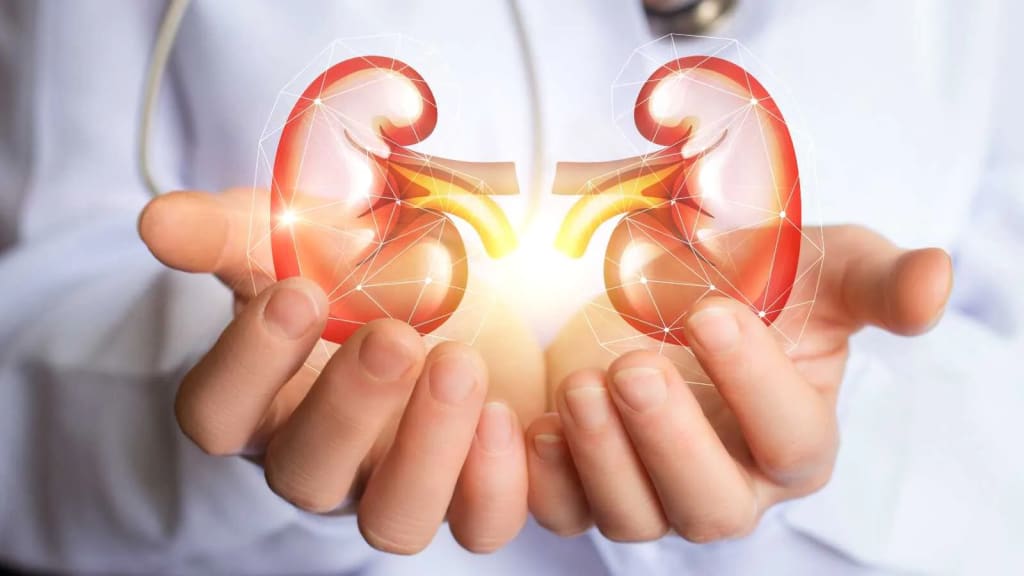
The kidneys are a pair of bean-shaped organs located in the back of the abdomen, behind the stomach. They are part of the urinary system and play a crucial role in maintaining the body's internal environment by filtering waste products and excess fluids from the blood.
The kidneys perform several vital functions in the body. One of their primary functions is to filter waste products and excess fluids from the blood. The kidneys remove urea, creatinine, and other waste products from the blood and excrete them in the form of urine. They also help to regulate the balance of electrolytes, such as sodium, potassium, and calcium, in the body.
The kidneys also play a key role in maintaining the body's fluid balance. They regulate the amount of water in the body by adjusting the amount of urine produced. When the body needs to conserve water, the kidneys produce less urine, and when the body needs to get rid of excess water, the kidneys produce more urine.
Another important function of the kidneys is to produce hormones that regulate blood pressure and red blood cell production. The kidneys produce a hormone called erythropoietin, which stimulates the production of red blood cells. They also produce renin, which regulates blood pressure by constricting or dilating blood vessels.
The kidneys can be affected by a variety of diseases and conditions, some of which can have serious consequences if left untreated. One of the most common kidney diseases is chronic kidney disease (CKD), which is characterized by the gradual loss of kidney function over time. CKD can be caused by a variety of factors, including diabetes, high blood pressure, and glomerulonephritis, which is inflammation of the kidney's filtering units.
Acute kidney injury (AKI) is another condition that affects the kidneys. AKI is a sudden loss of kidney function that can be caused by a variety of factors, including dehydration, infections, and certain medications. AKI is a medical emergency and requires prompt treatment to prevent permanent damage to the kidneys.
Kidney stones are another common condition that affects the kidneys. Kidney stones are hard, mineral deposits that form in the kidneys and can cause severe pain when they pass through the urinary tract. Treatment for kidney stones depends on their size and location, but may include medication, hydration, and in severe cases, surgery.
Polycystic kidney disease (PKD) is a genetic condition that causes cysts to form in the kidneys, which can lead to kidney damage and eventually kidney failure. PKD is a progressive disease and has no cure, but treatment can help to slow its progression and manage its symptoms.
Preventing kidney disease and maintaining kidney health is important for overall health and well-being. Eating a healthy diet, exercising regularly, staying hydrated, and avoiding smoking and excessive alcohol consumption are all ways to promote kidney health. It is also important to manage conditions that can lead to kidney disease, such as diabetes and high blood pressure, and to get regular check-ups to monitor kidney function.
In summary, the kidneys are important organs that play a vital role in maintaining the body's internal environment. They filter waste products and excess fluids from the blood, regulate the balance of electrolytes, and produce hormones that regulate blood pressure and red blood cell production. Diseases and conditions that affect the kidneys can have serious consequences if left untreated, but maintaining kidney health through a healthy lifestyle and regular check-ups can help to prevent kidney disease and promote overall health and well-being
The kidneys are responsible for performing some of the most important functions of the body - to dispose of waste material and producing vitamin D.
In Short
- Worsening lifestyle habits can lead to risk factors for acute kidney injury.
- One of the leading causes of kidney failure is diabetes.
- Avoid smoking as it directly affects the kidneys.
The kidneys, which are two bean-shaped organs located at the bottom of your rib cage, perform many important functions in the body. Besides filtering out excess water and impurities in the blood, they regulate the body's pH level, salt and potassium and produce hormones that control the production of red blood cells, which carry oxygen to the entire body.
Kidneys also help in the production of vitamin D that adsorb calcium used for building bones and regulating muscle function. Keeping the kidneys healthy enables the body to expel waste properly.
Due to worsening lifestyle habits, our kidneys get affected, leading to risk factors for acute kidney injury (AKI), which if left unchecked could lead to chronic kidney disease (CKD).
One of the leading causes of kidney failure is diabetes. According to Dr Mohit Khirbat, Consultant, Nephrology, CK Birla Hospital, Gurugram, before knowing how to keep the kidneys healthy, it is important to first understand what leads to kidney failure.
Why do our kidneys fail? "The most common cause is diabetes, which forms 50 per cent of the cases. The other 20-25 per cent of the cases are related to hypertension. Other conditions like kidney stones, urinary tract infections (UTI), and inflammatory disorders are also common causes. The most important thing you can do to keep your kidneys healthy is to do a regular check-up," said Dr Mohit Khirbat.
If you are diabetic, "make sure you keep it under control," Dr Khirbat advised. "If someone becomes diabetic, there's a good chance that in 10-15 years, you might suffer from kidney failure," he added.
About the Creator
My New Book is Finally Here
My poetry collection Beautiful and Brutal Things is done. It's actually done and finally published over 270 pages. Over a year of my life went into this book. More than a year, really. Long days at my computer, sometimes seven days a week because I couldn't stop even when I probably should have. Then two months of editing that felt harder than the writing itself. But it's finished, and I'm still standing, and the book is real.
By Tim Carmichael2 days ago in BookClub




Comments
There are no comments for this story
Be the first to respond and start the conversation.