
Why Does Anxiety Cause Stomach Issues? Gut Health and Mental Health Connection
Understanding the Powerful Link Between Anxiety and Digestive Problems—and How to Restore Balance Through Gut-Brain Healing

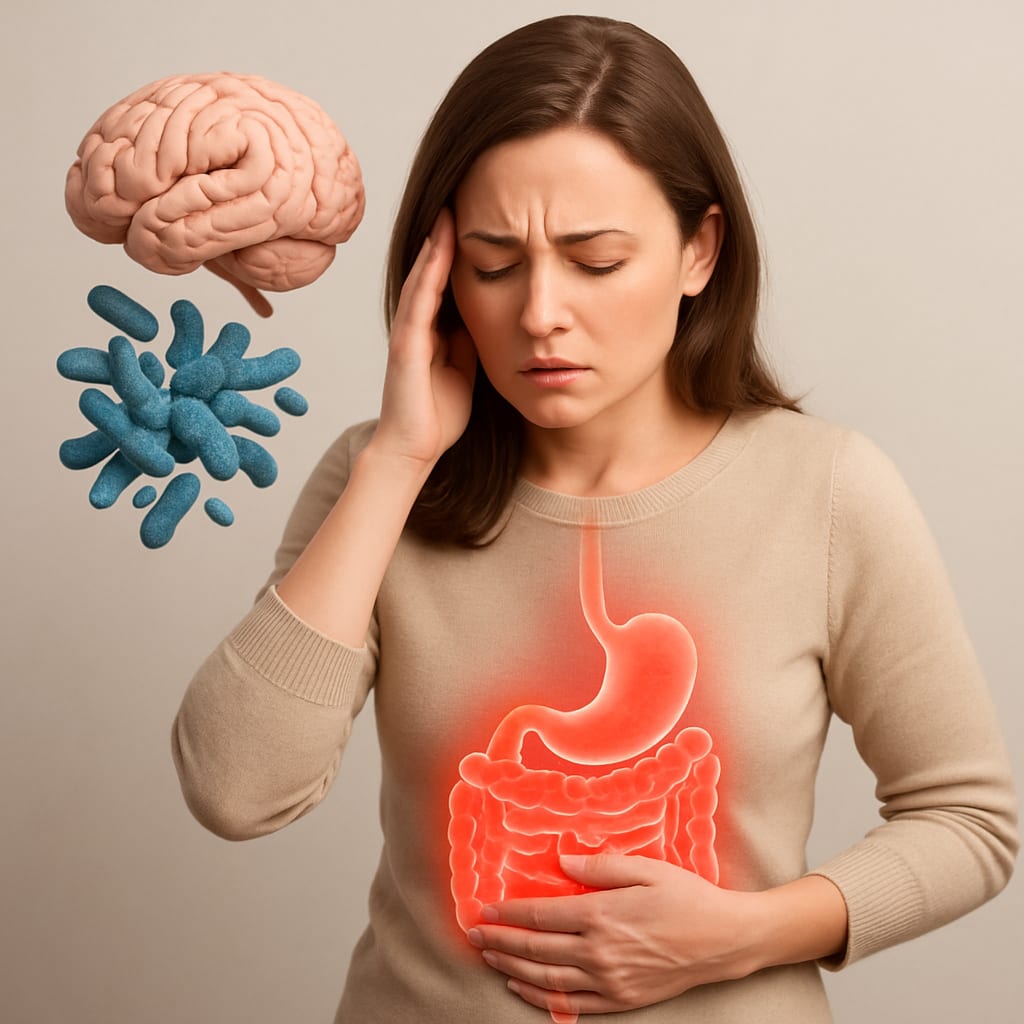
Anxiety doesn’t just live in your mind—it pulses through your body. It tugs at your chest, shortens your breath, and knots your stomach. For many, one of the most frustrating symptoms of anxiety is digestive discomfort. From nausea to bloating, constipation to diarrhea, the connection between anxiety and gut health is undeniable.
But why does anxiety cause stomach issues?
To understand the link between mental health and digestive health, we need to dive deep, past the surface symptoms and into the intricate communication network that exists between your brain and your gut.
The Gut-Brain Axis: A Two-Way Conversation
The gut and the brain are in constant communication through what’s known as the gut-brain axis. This is not just a metaphorical relationship, it’s a literal, physical network involving the central nervous system, the enteric nervous system, and a highway of biochemical signals.
The vagus nerve, one of the longest nerves in the body, plays a critical role in this connection. It acts like a messenger, carrying signals back and forth between the brain and digestive organs.
When you’re anxious, your brain sends distress signals to your gut. Your body responds as though you’re in danger, even if the threat is emotional or imagined. Blood flow is redirected away from the digestive tract to prepare your muscles for fight or flight. This disrupts the digestive process, often causing symptoms like cramping, bloating, or the urgent need to use the bathroom.
Stress Hormones and Your Stomach
When you feel anxious, your body floods with stress hormones—adrenaline and cortisol being the most well-known. These hormones prepare your body for survival, but they also throw your digestion into chaos.
Cortisol slows digestion and can reduce the production of enzymes your body needs to break down food. Adrenaline, on the other hand, can trigger rapid muscle contractions in your intestines, leading to diarrhea or cramping. This hormonal surge creates a perfect storm in your digestive system, especially if you already struggle with gastrointestinal issues.
Over time, chronic exposure to these hormones can lead to more persistent gut problems. People with generalized anxiety or panic disorder often report frequent indigestion, stomach pain, or IBS-like symptoms.
In many cases, the stomach becomes a battleground where psychological stress leaves physical scars.
Anxiety and the Microbiome
Beyond nerves and hormones, there’s another layer to this story: your gut microbiome. This is the community of bacteria, fungi, and other microbes living in your digestive tract. These organisms play a vital role in everything from nutrient absorption to immune function, but they also influence your mood.
Some gut bacteria help produce neurotransmitters like serotonin and dopamine. In fact, about 90% of the body's serotonin is produced in the gut, not the brain. When anxiety alters the gut environment, it can throw off this delicate chemical balance.
Stress and anxiety can decrease the diversity of your gut flora, promoting the growth of harmful bacteria while killing off beneficial strains. This imbalance, known as dysbiosis, can trigger inflammation, disrupt digestion, and make your gut more sensitive to pain.
Even more concerning, this microbiome imbalance can feed back into your mental health. A disrupted gut can increase anxiety, depression, and even cognitive dysfunction. It becomes a vicious loop—mental stress damages gut health, and poor gut health worsens mental stress.
The Role of Inflammation
Inflammation is the body’s natural response to threats. But when the body is under constant stress, the immune system can overreact, leading to chronic inflammation. The gut is particularly vulnerable.
Low-grade, persistent inflammation in the gastrointestinal tract can cause or exacerbate a range of conditions—irritable bowel syndrome (IBS), inflammatory bowel disease (IBD), and functional dyspepsia, to name a few. These disorders aren’t always caused by anxiety, but anxiety can intensify the symptoms.
Researchers have found that people with high levels of anxiety are more likely to have leaky gut, a condition in which the gut lining becomes more permeable. This allows toxins and bacteria to enter the bloodstream, triggering further inflammation and, potentially, more psychological distress.
Physical Symptoms You Might Notice
If you struggle with anxiety-related stomach issues, you’re not alone.
Common symptoms include:
- Butterflies in the stomach during stressful moments
- Nausea, especially before or during anxiety-provoking events
- Bloating or gas even after eating small meals
- Diarrhea or constipation, sometimes alternating unpredictably
- Stomach cramps or pain without a clear cause
- Loss of appetite or binge eating as a coping mechanism
These symptoms can be frustrating, especially when medical tests come back “normal.” But just because the cause is psychological doesn’t mean the pain isn’t real.
Breaking the Cycle: Managing Anxiety and Gut Health
The good news? There are ways to soothe both your mind and your gut. Healing one often supports the other.
1. Mindfulness and Relaxation Techniques
Mind-body practices like deep breathing, meditation, and progressive muscle relaxation have been shown to reduce anxiety and improve digestion. By calming your nervous system, you reduce the flood of stress hormones that disrupt gut function.
2. Cognitive Behavioral Therapy (CBT)
CBT is a proven treatment for anxiety disorders. It helps reframe anxious thoughts, which can reduce the physical symptoms of anxiety—including stomach issues. Some therapists even specialize in gut-directed CBT for people with IBS.
3. Probiotics and Nutrition
A balanced, diverse diet supports a healthy microbiome. Fermented foods, fiber-rich vegetables, and probiotic supplements can all play a role in restoring gut flora. However, it’s essential to introduce these changes gradually, especially if your stomach is already sensitive.
4. Limit Caffeine, Alcohol, and Processed Foods
These can irritate the stomach lining, spike stress hormones, and throw your microbiome out of balance. Reducing them won’t cure anxiety, but it can minimize physical symptoms that contribute to the cycle.
5. Regular Physical Activity
Exercise helps regulate cortisol levels and improves gut motility. Even gentle movement, like walking or yoga, can make a meaningful difference in both mental and digestive well-being.
It’s Not Just in Your Head
Anxiety and stomach issues are not separate problems—they’re intertwined. The gut-brain connection explains why emotional distress often shows up as physical discomfort. When you feel like your stomach is working against you, it's not weakness or imagination. It's biology.
Understanding this connection is the first step toward healing. Whether you're managing chronic anxiety, unexplained digestive issues, or both, know that your symptoms are valid. With the right support, both your gut and your mind can begin to feel better.
You don’t have to choose between treating your body or your mind. They’re already on the same team.
About the Creator
Richard Bailey
I am currently working on expanding my writing topics and exploring different areas and topics of writing. I have a personal history with a very severe form of treatment-resistant major depressive disorder.
Keep reading
More stories from Richard Bailey and writers in Psyche and other communities.



Comments
There are no comments for this story
Be the first to respond and start the conversation.