
Toxic Behaviors That Kills Relationships
7 Toxic Behaviors That Kills Relationships
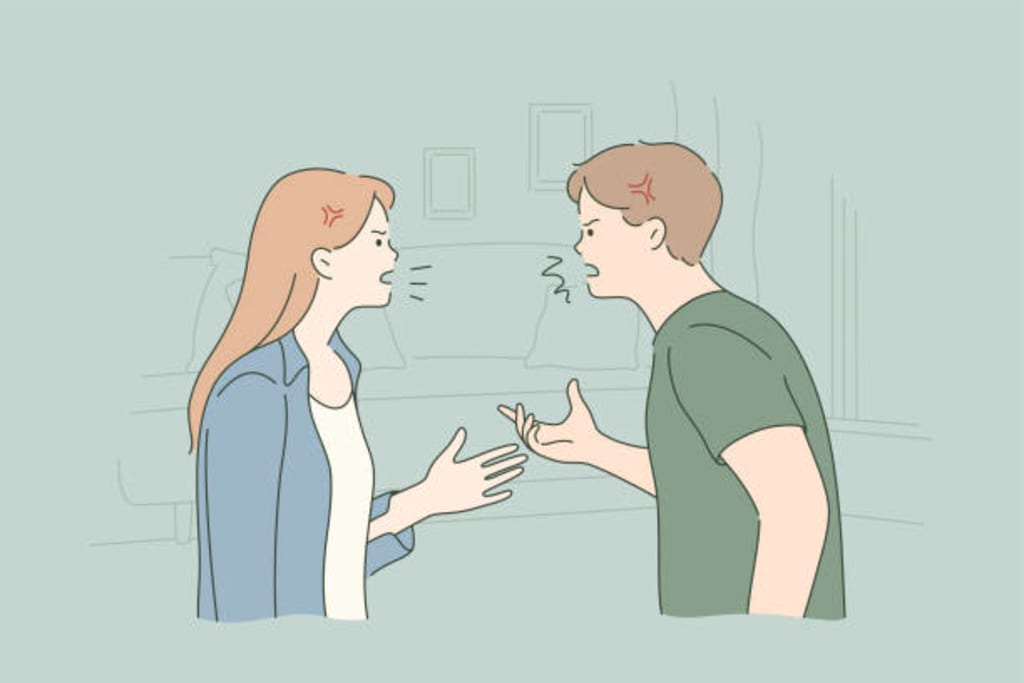
All relationships require effort, and some demand more than others. We understand that nobody is perfect, including ourselves. However, certain relationships can be more harmful than beneficial, especially when they become toxic. So, what defines a toxic relationship? It is marked by emotionally and sometimes physically damaging behaviors. These relationships often leave you feeling drained and powerless, significantly impacting your self-esteem. Here are seven common toxic behaviors to be aware of in relationships.
1. Lack of Support: Do you feel unheard by your partner? Are your emotions often dismissed? If it seems like they frequently criticize you, it may indicate a lack of support. If discussing this with them feels impossible, ensure you have a network of supportive friends and family around you. Their encouragement can help uplift your self-esteem.
2. Controlling Behavior: Does your partner try to dictate your clothing choices, social circle, or even your thoughts? Controlling behavior restricts your freedom and autonomy. A more subtle form of this is gaslighting, where your partner manipulates you into doubting your own feelings and perceptions. This can lead to confusion and a decline in self-worth.
3. Jealousy: While a little jealousy can be normal at the start of a relationship, excessive jealousy is a red flag. If your partner's jealousy becomes irrational, it can create an unhealthy dynamic. In her book "Daring Greatly," Brené Brown discusses how vulnerability can transform our lives, including our relationships.Jealousy often arises from personal vulnerabilities. When we conceal our weaknesses, they can transform into insecurities. These insecurities typically originate from low self-esteem or a poor self-image, which can lead to feelings of jealousy. If your partner feels compelled to keep tabs on you, it’s important to have an open conversation about what’s driving their insecurity, approaching the situation with empathy and understanding.
4. Dishonesty is another significant issue in relationships. Being open and emotionally vulnerable is essential, but past experiences can make it difficult to share fully. This can lead to lying, whether it’s outright falsehoods, half-truths, or withholding information. Such dishonesty undermines trust and emotional closeness, creating guilt that can weigh heavily on the relationship.
5. Poor communication is a common hurdle for couples. When partners struggle to communicate effectively, they miss out on building a strong connection. This often manifests in self-centered language, commands, sweeping generalizations, and dismissive remarks. Phrases like "you have to" or "you never" can create a toxic atmosphere, leaving one partner feeling belittled and reluctant to engage. Ineffective communication can lead to increased conflict, feelings of isolation, and a lack of intimacy.
6. Disrespect in a relationship can be damaging. If your partner frequently disregards your boundaries or undermines you, it may create a sense of competition rather than partnership. Recognizing this disrespect is crucial, as it encourages both partners to reflect on their roles in the relationship. Mutual accountability is vital for fostering a healthy dialogue, as respect is foundational to a lasting relationship.
7. Finally, holding onto grudges can be detrimental. When you cling to past grievances, it breeds resentment and creates a rift between you and your partner, intensifying negative feelings. Letting go of these grudges is essential for healing and maintaining a strong bond.
About the Creator
Keep reading
More stories from Lawrence Meli and writers in Psyche and other communities.
TESLA CYBERTRUCK
The Tesla Cybertruck has become the focal point of discussion and anticipation in the automotive industry this decade, drawing significant attention due to its bold and unconventional design, impressive performance, and the visionary leadership behind its creation. It stands alone in the automotive landscape, with no direct comparisons to other vehicles. In this review, I will delve into the Cybertruck's distinctive attributes and features. While many may already be acquainted with this vehicle, I will first address its remarkably unconventional design, which is defined by sharp angles and a complete lack of curves. This futuristic and angular aesthetic distinguishes it from all other vehicles on the road, with the only rounded components being the wheels, which are encased in angular wheel arches.
By Lawrence Meliabout a year ago in Education
Phobia
Defining Specific Phobia Specific phobia can be defined as a continual fear that is constrained to a circumscribed stimulus either item or scenario (American Psychiatric Association, 2013). Without delay on exposure, the stimulus is prevented each time feasible or is persevered only with extreme anxiety happening. Besides, the intensity of fear commonly is extreme enough to exhibit interference in individuals functioning educationally, socially including family activities. Usually, the most normal reaction towards specific phobia would be flight or avoidance in terms of motor or known as behavioral system (Silverman & Moreno, 2005).
By Ng Teck Sen5 days ago in Psyche




Comments