
The Trajectory of Emotions and AI
A Journey Into the Heart of Technology

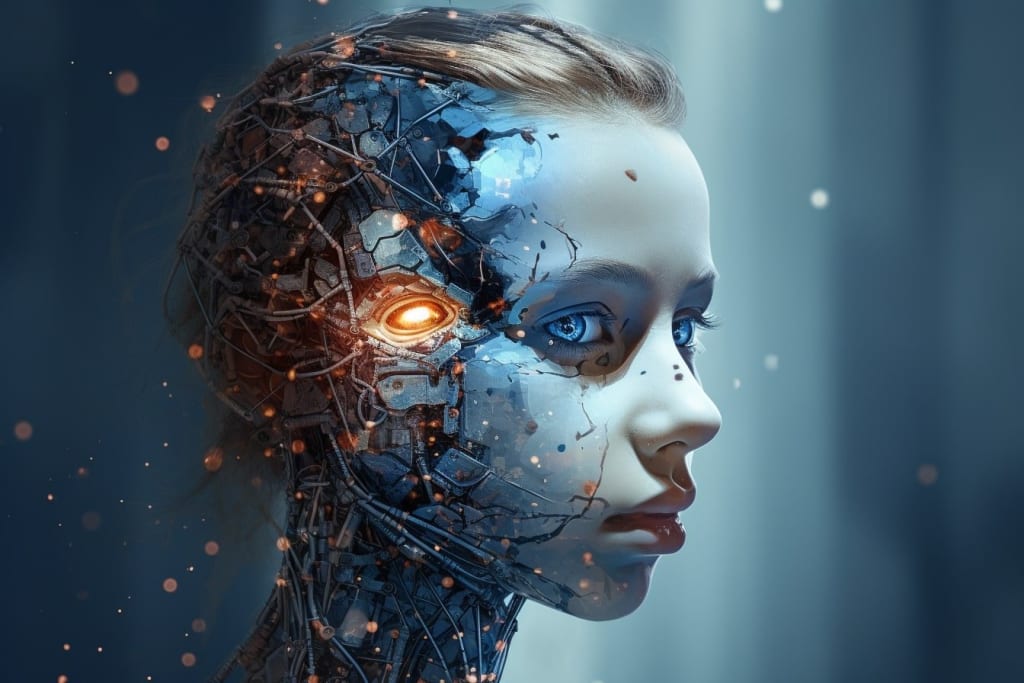
Integrating artificial intelligence (AI) with emotional understanding is no longer a futuristic concept; it is unfolding in real time. From mental health applications to emotionally aware customer service bots, AI is beginning to traverse a profoundly human territory: our emotions. Yet, as we march forward, it’s worth pausing to examine where we are headed and whether we are equipped to manage this trajectory's profound societal and ethical implications.
Bridging Humanity and Machines
Emotion AI, or affective computing, has evolved from a niche research topic into a practical technology with real-world applications. Rosalind Picard, often credited with founding the field of affective computing, noted in her seminal work, Affective Computing, that “emotions are not a luxury; they are at the core of human communication and decision-making.” Today, this insight drives advancements in AI systems capable of recognizing facial expressions, analyzing voice tones, and interpreting text for emotional cues.
The potential here is enormous: AI that understands emotions could revolutionize mental health care by providing around-the-clock support, improve online learning by tailoring content to a student’s emotional state, or even foster more empathetic customer interactions in businesses. A 2023 report by Deloitte highlighted that 67% of surveyed organizations are exploring emotion AI to enhance customer satisfaction and employee well-being.
However, these advancements also bring challenges. Emotions are complex and highly contextual, varying not just between individuals but also within the same person over time. Teaching machines to interpret this fluidity accurately remains a monumental task. Moreover, emotional intelligence in AI doesn’t equate to empathy; it’s a simulation, not a lived experience.
Ethical and Privacy Concerns
As emotion AI becomes more pervasive, ethical concerns loom large. A study published in Nature Machine Intelligence (2021) warned that “emotion recognition algorithms if deployed without adequate oversight, risk reinforcing societal inequalities and eroding trust in technology.” Emotion recognition relies on sensitive data, from facial scans to biometric markers, which, if mishandled, could lead to intrusive surveillance or manipulation.
Additionally, biases in AI algorithms risk perpetuating stereotypes or misinterpreting emotions based on cultural differences. For example, researchers at MIT Media Lab found that existing emotion recognition systems often struggle to accurately interpret non-Western facial expressions, reflecting the biases in their training datasets. An AI that misreads anger as aggression or sadness as disinterest could have damaging consequences in recruitment, law enforcement, or therapy.
The Promise of Hybrid Models
Despite these challenges, the future of emotion AI lies in its potential to complement, not replace, human emotional intelligence. The most promising applications are likely to emerge in hybrid care models where AI works alongside human professionals, such as therapists, educators, or customer service agents, to enhance their capabilities rather than supplant them.
In mental health care, for instance, studies like the 2024 Lancet Digital Health review emphasize that AI-driven tools can identify early warning signs of emotional distress with 85% accuracy, paving the way for timely human intervention. Similarly, AI-enabled educational platforms, such as the Empatica system, have demonstrated the ability to adjust teaching methods based on real-time emotional feedback, resulting in a 20% improvement in student engagement rates.
A Call for Ethical Innovation
To steer emotion AI towards a positive trajectory, we need a robust framework for ethical innovation. Scholars like Sherry Turkle, in her book Reclaiming Conversation, remind us that “technology should not replace human connection but reinforce it.” This ethos should guide the development of emotional AI, ensuring that the technology respects user privacy, consent, and cultural diversity.
Transparency and accountability must become non-negotiable pillars of this journey. As the AI Ethics Journal (2022) argues, “clear communication of how emotional data is collected, analyzed, and applied is essential to building user trust and avoiding misuse.”
Toward Emotionally Intelligent Machines
The ultimate vision for emotion AI is not just to make machines that can "read" emotions but to foster technology that enhances human emotional well-being. Imagine emotionally intelligent systems that can mediate conflicts, support mental health challenges, or even teach us how to regulate our emotions more effectively. These possibilities lie at the intersection of technological innovation and human-centred design.
The trajectory of emotions and AI is poised to redefine how we interact with technology and, by extension, with each other. As Rosalind Picard aptly stated, “We must teach machines about human emotions so they can better serve us, not control us.” To achieve this, the goal must be to leverage AI’s capabilities to complement human emotional intelligence rather than commodify or replace it.
The journey will undoubtedly require careful navigation, but the potential rewards—a world where technology not only understands us but also helps us understand ourselves—are worth the effort. This is not just the future of AI; it is the future of humanity’s relationship with technology. Let’s ensure it’s a relationship built on trust, empathy, and respect.
About the Creator
Rachel Hor
Rachel Hor, founder of NexGeNavigator(NGN) + LifeCompass, blends her expertise in psychology with AI. She investigates how AI recognizes and responds to human emotions, enhancing user experiences in mental health and education.
Keep reading
More stories from Rachel Hor and writers in Psyche and other communities.
The Science Behind Grit
Grit—a word often synonymous with perseverance, determination, and mental toughness—might seem like an emotional or motivational buzzword. Yet, beneath its seemingly intangible nature lies a foundation of neuroscience and psychology. Far from being just an inspirational concept, grit is deeply embedded in the way our brains function, adapt, and thrive under pressure. This understanding not only validates the importance of grit but also sheds light on why cultivating it can transform our lives.
By Rachel Horabout a year ago in Psyche
The Rise of AI Influencers and Virtual Humans: Fame Without a Face
Scroll through Instagram, TikTok, or YouTube long enough and you may encounter a strange realization: some of the most polished, fashionable, and engaging “people” online aren’t people at all. They don’t age, get tired, make public mistakes, or disappear due to scandal. They are AI influencers—virtual humans designed to look relatable, aspirational, and endlessly consistent.
By Mind Meets Machineabout 19 hours ago in Psyche


Comments
There are no comments for this story
Be the first to respond and start the conversation.