

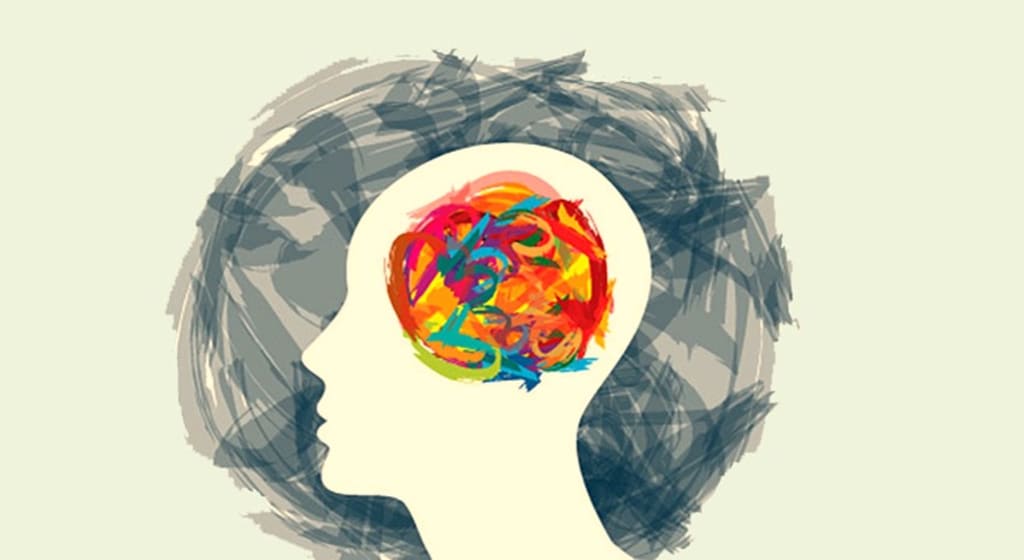
Grit—a word often synonymous with perseverance, determination, and mental toughness—might seem like an emotional or motivational buzzword. Yet, beneath its seemingly intangible nature lies a foundation of neuroscience and psychology. Far from being just an inspirational concept, grit is deeply embedded in the way our brains function, adapt, and thrive under pressure. This understanding not only validates the importance of grit but also sheds light on why cultivating it can transform our lives.
In this exploration of grit, we’ll unravel the science behind why our brains love grit, how it activates key neurological pathways, and how understanding these mechanisms can empower us to overcome challenges and reach our potential.
1. Grit and Neuroplasticity: Rewiring Your Brain
Our brains have an extraordinary ability to adapt and change, a feature known as neuroplasticity. Grit plays a pivotal role in harnessing this capacity. When you persist through challenges, your brain undergoes structural and functional changes that enhance its resilience.
Dopamine and the Feedback Loop
Dopamine, a neurotransmitter often referred to as the “feel-good chemical,” is central to the brain’s reward system. When you accomplish a challenging task or persevere through adversity, your brain releases dopamine, creating a sense of pleasure and satisfaction. Over time, this establishes a positive feedback loop:
You face a challenge.
You persevere and succeed.
Your brain releases dopamine, reinforcing the behavior.
You’re more likely to persevere in the future.
This feedback loop not only encourages perseverance but also makes grit a self-reinforcing trait. The more you use it, the stronger it becomes.
Synaptic Strengthening
Each time you persist through adversity, neural connections related to perseverance and problem-solving are strengthened. This phenomenon is akin to exercising a muscle—repeated use builds endurance and strength. The brain becomes more efficient at tackling challenges, making it easier to persevere in the future.
2. The Role of Cortisol: The Double-Edged Sword
While dopamine reinforces grit positively, cortisol, the stress hormone, presents a significant obstacle. When you encounter difficulties, your body’s stress response activates, releasing cortisol to help you respond to the situation.
Cortisol’s Immediate Impact
In small doses, cortisol can be beneficial. It sharpens focus, heightens alertness, and mobilizes energy. This is why short-term stress can sometimes improve performance, such as during a high-stakes exam or a critical project deadline.
Chronic Stress and Its Effects
The problem arises when stress becomes chronic or overwhelming. Excessive cortisol can impair cognitive functions like memory and decision-making, making it harder to navigate challenges. It can also suppress dopamine production, dampening the reward system and making perseverance feel less rewarding.
Understanding this balance is crucial for cultivating grit. Developing mental resilience allows individuals to regulate cortisol levels effectively, preventing stress from derailing progress.
3. The Psychological Foundations of Grit
Beyond the neurochemical interactions, grit is deeply rooted in psychological principles. Researchers, including Dr. Angela Duckworth, have identified grit as a combination of passion and perseverance directed toward long-term goals. Here’s how psychology complements the neuroscience of grit:
Growth Mindset
A growth mindset—the belief that abilities can be developed through effort—is integral to grit. People with a growth mindset view challenges as opportunities to learn and grow, rather than insurmountable obstacles. This outlook not only fosters persistence but also enhances neuroplasticity, as the brain becomes more open to adapting and learning.
Self-Efficacy and Confidence
Grit is bolstered by self-efficacy, or the belief in one’s ability to influence outcomes. Every time you persevere through a challenge, your self-efficacy grows. This, in turn, reinforces the dopamine feedback loop, as succeeding strengthens the conviction that effort leads to results.
Delayed Gratification
Grit often requires delaying immediate gratification in pursuit of long-term goals. The brain’s prefrontal cortex, responsible for executive functions like planning and decision-making, plays a key role here. Strengthening this area through consistent practice of grit enhances self-control and the ability to focus on future rewards.
4. Cultivating Grit: Practical Strategies
Understanding the science behind grit is empowering, but how can you apply this knowledge in everyday life? Here are some strategies to cultivate grit while working with your brain’s natural mechanisms:
Set Clear, Meaningful Goals
Purpose-driven goals activate the brain’s reward system more effectively. When you’re emotionally invested in a goal, the dopamine release from achieving milestones is amplified, reinforcing grit.
Embrace Challenges Gradually
Taking on progressively harder challenges helps build resilience without overwhelming the brain with cortisol. Small victories sustain the dopamine feedback loop, while manageable stress levels enhance growth.
Practice Mindfulness
Mindfulness techniques, such as meditation and deep breathing, can regulate cortisol levels and reduce the negative effects of stress. A calmer mind is better equipped to persevere through adversity.
Reflect on Past Successes
Reflecting on moments where grit led to success strengthens the belief that perseverance pays off. This can increase self-efficacy and motivate you to keep pushing forward.
Build a Support System
Social connections play a significant role in maintaining grit. Encouragement from peers, mentors, and loved ones can boost motivation and provide perspective during tough times.
5. Why Our Brains Love Grit
The interplay between dopamine, cortisol, and neuroplasticity explains why our brains are wired to benefit from grit. But beyond the science, grit taps into fundamental aspects of human nature:
The Pursuit of Mastery
Mastery—the desire to improve and excel—is a core driver of human behavior. Grit aligns with this pursuit by encouraging sustained effort toward long-term improvement.
The Joy of Overcoming Challenges
Overcoming obstacles creates a profound sense of accomplishment. This joy is deeply rewarding, both emotionally and neurologically, reinforcing the desire to persevere.
Social and Evolutionary Benefits
In evolutionary terms, grit has been crucial for survival. Early humans needed resilience to adapt to changing environments, hunt for food, and protect their communities. Today, grit continues to offer social advantages, as perseverance is highly valued in personal and professional contexts.
6. Grit in Action: Real-World Applications
Grit isn’t just a personal trait—it’s a transformative force that shapes success across various domains:
Education
Students with grit outperform their peers academically, not because they are inherently smarter, but because they persist through challenges and setbacks. Educators are increasingly focusing on fostering grit alongside traditional skills.
Workplace Resilience
In professional settings, grit is often the defining factor between success and stagnation. Employees with grit are more likely to innovate, adapt, and thrive under pressure.
Physical and Mental Health
Grit contributes to better health outcomes by promoting consistent habits like regular exercise, healthy eating, and stress management.
7. Challenges to Developing Grit
While grit offers immense benefits, cultivating it isn’t without challenges:
The Fear of Failure
Fear of failure can inhibit perseverance. Reframing failure as a learning opportunity is key to overcoming this barrier.
Burnout
Without proper self-care, the pursuit of grit can lead to burnout. Balancing effort with rest and recovery ensures sustainability.
Impatience
The brain’s natural preference for immediate rewards can make long-term goals seem daunting. Strengthening self-discipline helps counter this tendency.
Grit is more than just a character trait; it’s a scientifically validated pathway to personal growth, achievement, and resilience. By understanding the neurological and psychological mechanisms that underpin grit, we can intentionally cultivate this powerful quality in our lives.
Through the interplay of dopamine and cortisol, the principles of neuroplasticity, and the reinforcement of self-efficacy, grit becomes a self-perpetuating force. When combined with practical strategies and an awareness of potential challenges, it empowers us to thrive in the face of adversity and accomplish our goals.
In the end, our brains don’t just love grit—they’re built to embrace it. And when we align our efforts with this innate capacity, there’s no limit to what we can achieve.
About the Creator
Rachel Hor
Rachel Hor, founder of NexGeNavigator(NGN) + LifeCompass, blends her expertise in psychology with AI. She investigates how AI recognizes and responds to human emotions, enhancing user experiences in mental health and education.
Keep reading
More stories from Rachel Hor and writers in Psyche and other communities.
The Trajectory of Emotions and AI
Integrating artificial intelligence (AI) with emotional understanding is no longer a futuristic concept; it is unfolding in real time. From mental health applications to emotionally aware customer service bots, AI is beginning to traverse a profoundly human territory: our emotions. Yet, as we march forward, it’s worth pausing to examine where we are headed and whether we are equipped to manage this trajectory's profound societal and ethical implications.
By Rachel Horabout a year ago in Psyche
“Psychology of the Human Soul: Why We Think, Feel, and Act the Way We Do” – Very humebatic, emotional, and deep
Introduction: The Mystery Within Us The human mind is one of the most powerful and mysterious creations in the world. Every thought we think, every emotion we feel, and every action we take begins inside our mind. Psychology is the science that helps us understand this inner world. It explains why we smile when we are happy, cry when we are hurt, and struggle when life becomes heavy. Psychology is not just about illness or mental problems; it is about understanding ourselves as human beings.
By Talha khan3 days ago in Psyche




Comments
There are no comments for this story
Be the first to respond and start the conversation.