
The Science of Sleep: How to Get a Good Night's Rest and Improve Your Health
From understanding the stages of sleep to creating the perfect sleep environment, learn the latest research on how to get a good night's rest and improve your overall health
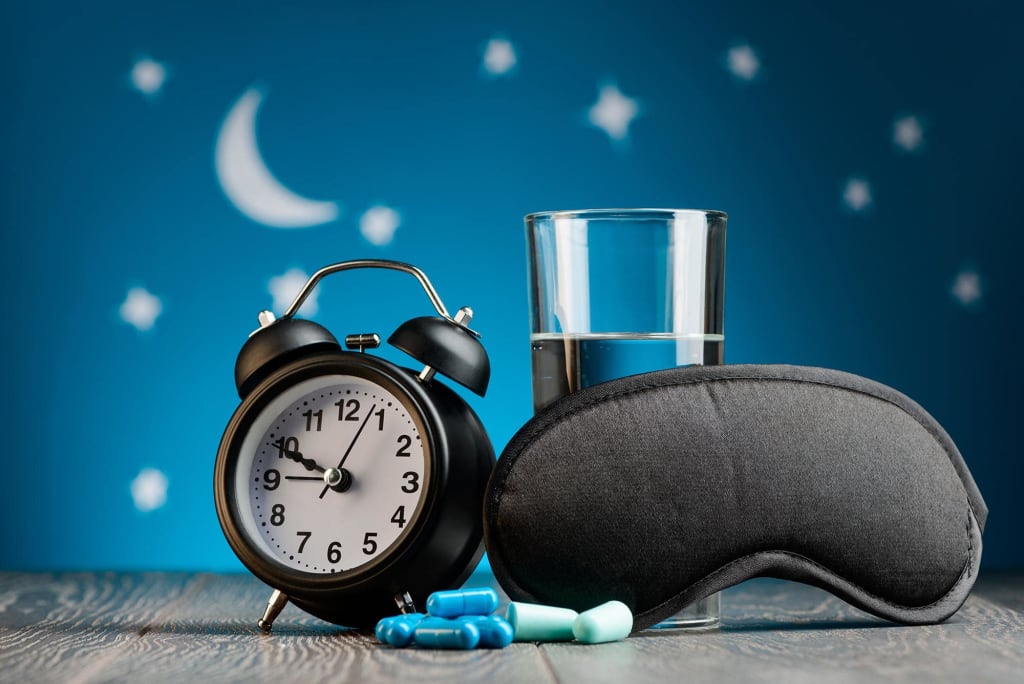
We all know that getting a good night's rest is essential for our overall health and well-being. But with so much conflicting information out there about how to achieve that, it can be hard to know where to start.
That's where this article comes in.
In this article, we'll dive into the latest research on sleep, including the different stages of sleep and how they affect our bodies, the importance of a regular sleep schedule, and the impact of sleep on our mental and physical health. We'll also provide practical tips and advice on how to create the perfect sleep environment, from choosing the right mattress to managing noise and light levels.
Let's start by understanding the science behind sleep. Sleep is a natural state of rest that is essential for our physical and mental well-being. During sleep, our bodies go through several stages, including Non-Rapid Eye Movement (NREM) sleep and Rapid Eye Movement (REM) sleep. NREM sleep is divided into three stages, and it's during this stage that our bodies repair and rejuvenate themselves. During stage 1, we drift in and out of sleep, and it's easy to be awakened. In stage 2, our bodies' temperature and heart rate decrease, and our muscles relax. Stage 3 is the deep sleep stage, where it's difficult to be awakened, and it's when our bodies repair and rejuvenate themselves. REM sleep is the stage where we dream and it's when our brains are active.
The importance of a regular sleep schedule can't be overstated. Our bodies thrive on a consistent sleep schedule, which helps regulate our circadian rhythms and promote optimal sleep. Not getting enough sleep, or having an inconsistent sleep schedule, can lead to a host of health problems, including obesity, diabetes, and heart disease. Additionally, a lack of sleep can also negatively impact our mental health, leading to depression and anxiety.
Creating the perfect sleep environment is key to getting a good night's rest. The temperature, noise, and light levels in your bedroom can all affect the quality of your sleep. A cool, dark, and quiet room is ideal for sleeping. Mattress and pillow comfort are also important factors in getting a good night's rest. A comfortable mattress and pillow provide the necessary support for your body and help prevent aches and pains.
Light is another important factor in the sleep environment, it's important to avoid bright screens for at least an hour before bedtime. This means turning off your phone, tablet, or TV and using a dim light instead. Melatonin, a hormone that helps regulate our sleep-wake cycle, is affected by light. Melatonin levels increase in the evening and decrease in the morning, and exposure to bright light can disrupt this cycle, making it harder to fall asleep at night.
Another important factor to consider is noise. Noise can be a major disruptor of sleep, and it's important to find ways to reduce or eliminate noise in your bedroom. This can include using a white noise machine, earplugs, or a fan to create background noise and mask other sounds.
Finally, the latest research on sleep disorders and how to treat them. Sleep disorders, such as insomnia and sleep apnea, can greatly impact the quality of your sleep and overall health. Insomnia is a common sleep disorder that is characterized by difficulty falling asleep, staying asleep, or both. It can be caused by a variety of factors, such as stress, anxiety, and depression. Treatments for insomnia can include cognitive-behavioral therapy, medications, and changes in sleep habits, such as creating a relaxing bedtime routine or avoiding screens before bed.
Sleep apnea, another common sleep disorder, is characterized by brief interruptions in breathing during sleep. It can cause loud snoring, gasping, and choking during sleep. It's also associated with a higher risk of high blood pressure, heart attack, and stroke. Treatment options for sleep apnea include continuous positive airway pressure (CPAP) therapy, oral appliances, and lifestyle changes, such as losing weight and avoiding alcohol and sedatives.
Sleep disorders are a serious health concern, and it's important to consult with a healthcare professional if you suspect you may have one. They can help diagnose the condition and develop a treatment plan tailored to your needs.
In conclusion, sleep is essential for our physical and mental well-being. It's important to understand the different stages of sleep and how they affect our bodies, the importance of a regular sleep schedule and the impact of sleep on our mental and physical health. Additionally, creating the perfect sleep environment, including the right temperature, noise and light levels, as well as having a comfortable mattress and pillow, can help improve the quality of our sleep.
Moreover, it's crucial to be aware of sleep disorders such as insomnia and sleep apnea, and to consult with a healthcare professional if you suspect you may have one. They can help diagnose the condition and develop a treatment plan tailored to your needs.
In this article, we have covered the latest research on sleep and provided practical tips and advice on how to get a good night's rest and improve your overall health. By following these tips, you can improve the quality of your sleep and in turn, improve your overall well-being. Remember, a good night's sleep is essential for our physical and mental health, and it's important to prioritize it in our daily lives.
About the Creator
My New Book is Finally Here
My poetry collection Beautiful and Brutal Things is done. It's actually done and finally published over 270 pages. Over a year of my life went into this book. More than a year, really. Long days at my computer, sometimes seven days a week because I couldn't stop even when I probably should have. Then two months of editing that felt harder than the writing itself. But it's finished, and I'm still standing, and the book is real.
By Tim Carmichael2 days ago in BookClub




Comments
There are no comments for this story
Be the first to respond and start the conversation.