
The Psychology Behind Why We Lie
Inside the Mind of a Liar: Why Truth Isn’t Always the Default

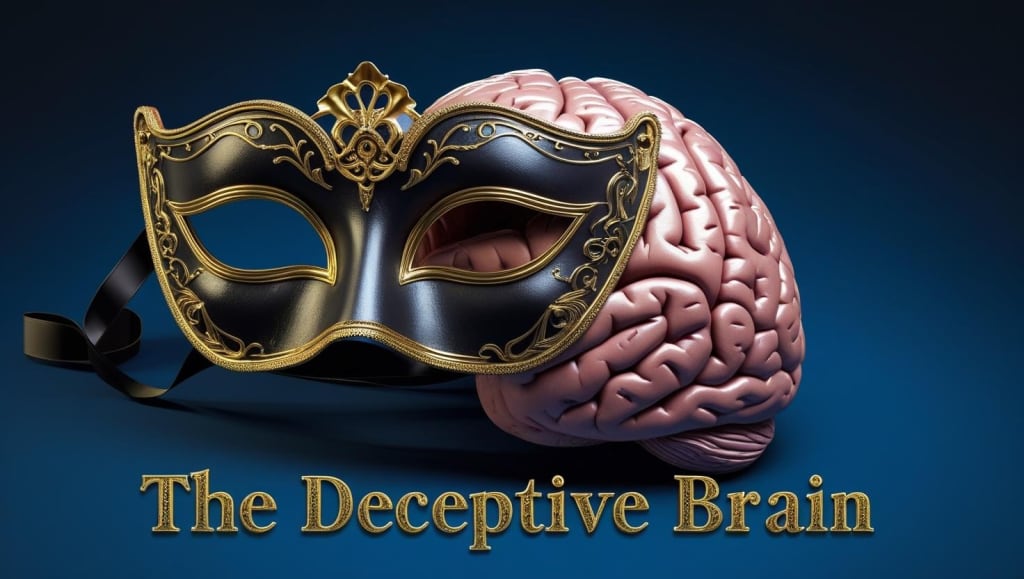
It started with a tiny lie in third grade.
“I didn’t eat the cookies,” I said, crumbs still clinging to the corner of my mouth.
My teacher raised an eyebrow, looked at the empty Tupperware, and simply said, “Okay.” She didn’t believe me—but she didn’t press. And just like that, I learned something quietly powerful: lies could protect me from consequences, even if only briefly.
Most people think of lying as something bad—morally wrong, harmful, sneaky. But the truth is, we all lie. A lot more than we think. Studies show that the average person lies one to two times a day. Some lies are harmless (“Your haircut looks great!”), others are more serious (“No, officer, I didn’t see the speed limit sign”). But why do we do it at all?
That question fascinated me enough to dive into the psychology behind it. What I found was both eye-opening and, honestly, a little uncomfortable.
---
Lying Is Natural (and Kinda Necessary)
Let’s start with the basics: lying is a developmental milestone. Kids start lying as early as two or three years old. At that age, it’s not malicious—it’s actually a sign of cognitive development. To lie, you have to understand that someone else can hold a belief that’s different from reality. That’s called theory of mind, and it’s a big leap in brain development.
So, from a psychological standpoint, lying isn’t always a flaw. It’s a tool. It helps us navigate social situations, avoid conflict, protect others' feelings, and sometimes protect ourselves.
Take, for example, my friend Emma. She once told a white lie to her boss: “I’m almost done with the report,” she said, even though she had barely started. Why? Because she was anxious, behind on work, and scared of being judged. Her lie wasn’t about malicious intent—it was about fear.
That kind of lying falls into what psychologists call self-protective lying. It’s a defense mechanism. It shields us from embarrassment, punishment, or loss of reputation. It’s not ideal—but it’s deeply human.
---
Types of Lies We Tell (And Why)
Lies come in flavors. Some are sweet and protective, others sour and destructive. Psychologists have broken them down into different types:
1. Self-Serving Lies:
These protect or benefit the liar—like exaggerating your achievements on a résumé or blaming traffic for your lateness when you actually overslept.
2. Altruistic Lies (a.k.a. White Lies):
These are told to protect others’ feelings: “Your speech was really inspiring!” even if it wasn't.
3. Avoidance Lies:
To dodge responsibility or conflict. “I didn’t get your text,” even though you clearly did.
4. Strategic Lies:
Manipulative lies, often used in politics, business, or negotiations. These are often calculated and intentional.
5. Pathological Lies:
Lies told compulsively, often without clear benefit. These can indicate deeper psychological issues like personality disorders.
It’s important to note: most of us aren’t pathological. We lie when we feel it’s necessary, often telling ourselves it's harmless or even helpful.
---
The Brain on Lies
Neuroscience backs up the psychology. When we lie, the prefrontal cortex lights up. That’s the part of the brain responsible for decision-making, impulse control, and planning. Lying is cognitively demanding—you have to suppress the truth, construct a believable alternative, and remember it later.
Interestingly, repeated lying can desensitize the brain. A study published in Nature Neuroscience found that the more someone lies, the less guilt they feel about it. The amygdala—the part of the brain linked to emotion and fear—becomes less active with repeated dishonesty. In other words, the more you lie, the easier it gets.
Scary? Maybe. But it also explains why some people become comfortable living double lives or maintaining big secrets for years.
---
We Lie to Ourselves, Too
Perhaps the most fascinating part of lying is that we don’t just lie to others—we lie to ourselves. Constantly.
This is called self-deception. It’s the internal narrative that says, “I’m fine” when you’re clearly not, or “I didn’t want that promotion anyway” when you feel crushed about it. We do this to protect our ego, preserve self-esteem, and avoid uncomfortable truths.
Think of it like emotional bubble wrap. Self-deception softens the impact of reality when we’re not ready to face it.
---
The Cost of Lying
But lying has a cost.
When we lie to others, we risk trust. Lies can unravel relationships, destroy credibility, and lead to guilt, anxiety, or shame.
When we lie to ourselves, we avoid growth. We stay stuck in patterns, deny hard truths, and miss opportunities for real healing.
Lying might offer short-term comfort, but in the long run, truth is the only thing that leads to peace.
---
So Why Does This Matter?
Understanding why we lie doesn’t mean excusing it. But it does help us become more compassionate—with others, and with ourselves.
The next time someone lies to you, ask: Are they scared? Embarrassed? Protecting something fragile?
And the next time you catch yourself lying, pause. Ask: What am I trying to avoid right now?
Lies are part of being human. But so is the ability to face the truth—and grow from it.
About the Creator
Keep reading
More stories from Waleedkhan and writers in Psyche and other communities.
Why we trust some people and not others
A story of instincts, quiet observation, and the subtle signals of character. --- In the heart of the valley, where the hills rolled like sleeping giants and the river carved stories through the land, stood a village called Eldenbrook. It was a quiet place—steady, honest, unhurried. Life moved to the rhythm of the seasons, and the people valued truth like gold.
By Waleedkhan6 months ago in Psyche
Whimsy as Gentle Rebellion
Whimsy isn’t escape — it’s a reminder that color, kindness, and imagination still have power. In a world that often values efficiency over wonder, seriousness over softness, whimsy is frequently misunderstood. It’s mistaken for immaturity, distraction, or avoidance. But for me, whimsy has never been about turning away from reality. It has been about meeting reality with an open heart — and refusing to let it harden me.
By Alicia Melnick 4 days ago in Psyche




Comments (1)
We need to tell truth in every satuation ❣️❣️