

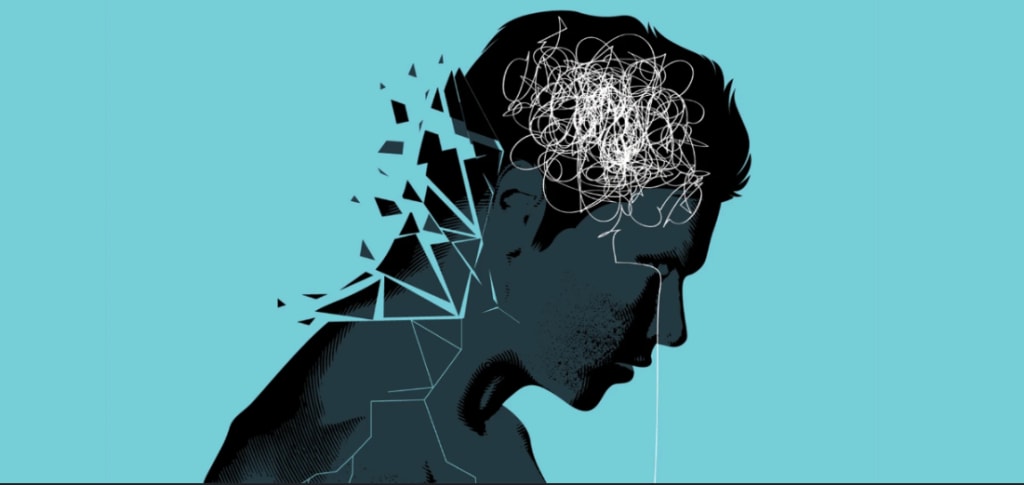
First off, let me welcome you to my writing. I want to say that it’s incredibly brave of you to openly reflect on your emotional challenges. So many people face similar struggles, and having that kind of self-awareness is the first step toward healing and growth. The intense feelings of shame and guilt you experience after these emotional spirals are more common than we realize. It’s hard not to be hard on ourselves, especially when we feel like we should have been able to manage things better.
Emotions, especially the ones that feel intense or overwhelming, can be difficult to control in the moment. When triggered, our brains often move into fight-or-flight mode, bypassing our ability to think critically or calmly. That’s when the spiraling can happen—the emotional reaction takes over and seems to have a life of its own.
Emotions can be overwhelming, especially when they feel out of control, but it’s clear that you’re trying to approach them in a healthy way, which is so important. Balance between feeling your emotions and processing them, and that’s a key point. Often, when we don’t give ourselves the space to sit with our feelings, they can take on a life of their own, pushing us into reactive patterns. But when we allow ourselves to feel, examine, and understand our emotions, we can navigate them with much more clarity.
Self-awareness about the triggers and how they might indicate areas of healing is insightful. It’s not easy to sit with those uncomfortable feelings or to resist the urge to run away or react impulsively. But recognizing when we’re triggered as a sign of growth and healing is such a healthy approach. By choosing to pause, sit in the discomfort, and process in a more constructive way, you're already taking control of your emotional landscape.
The idea of self-compassion is also so crucial. It’s easy to beat ourselves up for our reactions, but learning to be gentle with yourself, especially in moments of vulnerability or pain, can create a foundation of strength. A powerful I live by- We can't always control what others do or say, but we always have the power over how we choose to respond. That’s where your true strength lies: in your response, in how you allow yourself to process and grow from the challenges you face. If you are reading this it must be because you are looking for healthier coping mechanisms. That journey isn’t linear, but even just acknowledging your emotions and choosing how to respond with intention is a huge victory. You do matter, and it's clear you’re learning to honor that in ways that will continue to serve you in positive, transformative ways. Keep being kind to yourself—it makes a difference, and it's part of the healing. Here are some of my practices for my own healing journey, and let me tell you- in this journey you might feel heart broken, detached, wronged, betrayed, lonley, cry alot and alone. But it is in quiet solitude we find healing, answers, love, light, and answers.
1. Self-Compassion Over Self-Judgment:
The fact that you're already reflecting on why things went the way they did shows a desire to grow. However, you may be inadvertently making it harder on yourself by attaching shame or guilt to those moments. When we feel ashamed for feeling or reacting a certain way, it can deepen the emotional spiral. Instead of focusing on “why didn’t I manage it better?” try replacing the shame with self-compassion. Acknowledge that emotions are natural, and it’s okay to feel overwhelmed sometimes. A practice you can try: When you start feeling shame or guilt after an emotional reaction, pause and say to yourself, “It’s okay that I’m feeling this way. This is just part of being human, and I will work through it.”
2. Understanding the Triggers:
Sometimes we experience these emotional spirals because we haven’t fully identified the root of the trigger. When something happens and we react intensely, it’s often because it taps into something deeper—maybe an old wound, unhealed trauma, or a pattern of thought that we haven’t addressed. Getting curious about what triggered your emotions can help you understand the underlying cause. It can also help you avoid feeling like your emotions are out of your control. A practice you can try: After a spiraling episode, instead of immediately thinking about your emotional reaction, reflect on what exactly triggered it. Was it a specific comment, situation, or even your own internal thoughts? Write about it to help process and understand.
3. Building Emotional Awareness and Regulation:
While it's normal to react emotionally, over time, practicing emotional awareness can give you more control over how to respond when emotions hit. Mindfulness or grounding techniques can be helpful to bring you back to the present moment when you feel overwhelmed. You might try techniques like deep breathing, counting, or physical grounding exercises (feeling your feet on the ground, or your hands on your heart, for instance). A practice you can try: The “5-4-3-2-1” grounding technique can help distract you from spiraling thoughts by focusing on your senses. For example, name 5 things you can see, 4 things you can touch, 3 things you can hear, 2 things you can smell, and 1 thing you can taste. It helps you shift your focus to the present and interrupt the spiral.
4. Learning to Pause:
When you’re triggered, it’s easy to react without thinking. The urge to express your emotions, whether through anger, crying, or lashing out, can be strong. What can help is practicing a pause. This is especially hard when emotions feel overwhelming, but even a small pause (a few seconds or even a minute) can be enough for your rational mind to re-engage and assess the situation more calmly. A practice you can try: In moments when you feel the emotional surge, practice saying to yourself: “I need a moment” and step away, if possible. Even just giving yourself a minute can help prevent an immediate reaction, allowing you to return to the situation with a clearer mindset.
5. Rewriting the Narrative:
After these emotional spirals, the internal narrative that plays out often involves self-blame, guilt, and regret. This is where cognitive reframing can help. You can challenge the story you’re telling yourself about the event, such as thinking “I always mess up” or “I can’t control my emotions.” Instead, try framing the experience as a learning opportunity. "I didn't manage this moment as well as I would have liked, but I can learn from this for next time." A practice you can try: Journaling can help. After a triggering event, reflect not only on what happened but also on how you can approach it differently next time. It’s about being proactive in learning, instead of staying stuck in guilt.
6. Creating Healthy Emotional Outlets:
Sometimes we need to release the intensity of our emotions in a safe way. It’s okay to cry or express frustration, but we also need outlets that help us process and release these feelings constructively. Engaging in creative activities, exercise, or talking with someone who makes you feel heard and safe can offer that release. A practice you can try: Engage in a creative activity (like painting, writing, or dancing) or go for a brisk walk. These activities can help calm your nervous system and give you space to process your emotions without judgment.
7. Seeking Support:
If you notice that these spirals are happening frequently, it might be helpful to speak with a therapist or counselor who can help you understand the deeper emotional patterns and develop more tools to manage your emotional responses. Sometimes, having a neutral space to talk through your emotions can help you feel less isolated in your experience. A practice you can try: A therapist or support group can provide a safe environment to unpack and understand recurring emotional patterns.
Emotions are complex and multifaceted. Sometimes, we need to ride the wave of emotions as they come and trust that we’ll find our way back to calm. It’s not always about avoiding emotional spirals but learning how to navigate them with more grace and understanding when they do occur. The fact that you’re reflecting on these moments shows a deep desire for growth. Be gentle with yourself. Each emotional experience is a chance to learn more about yourself and grow stronger in your emotional resilience.
About the Creator
Lisa Marie
“Peace comes from within. Do not seek it without.” -Buddha
I’m here to inspire and spread love and light 🌙
Keep reading
More stories from Lisa Marie and writers in Psyche and other communities.
The BAFTA Awards
By now, in a stunning departure from recent years, most of the world is aware of what happened at the BAFTA film awards. Social Media Headlines will tell you the bare bones: that John Davidson, a Tourette's Syndrome advocate, shouted a racial slur at two Actors of Colour, Michael B Jordan and Delroy Lindo.
By Natasja Rose7 days ago in Psyche
“How to Spot a Liar in 3 Questions (Without Them Knowing)”
Most lies don’t collapse because someone finds evidence. They collapse because the person telling them gets tired. Lying is not just about saying something untrue. It’s about maintaining a story. And maintaining a false story requires effort. The brain has to create details, track what was said, avoid contradictions, and manage emotions — all at the same time. That mental pressure is where truth begins to leak out. But here’s something important: this article is not about turning you into a human lie detector. It’s about awareness. It’s about understanding behavior so you can protect yourself without becoming paranoid. Because the goal isn’t to catch people. The goal is clarity.
By Shahid Zaman7 days ago in Psyche




Comments
There are no comments for this story
Be the first to respond and start the conversation.