
The Mental Health Impact of Social Media
Navigating the Digital Tightrope

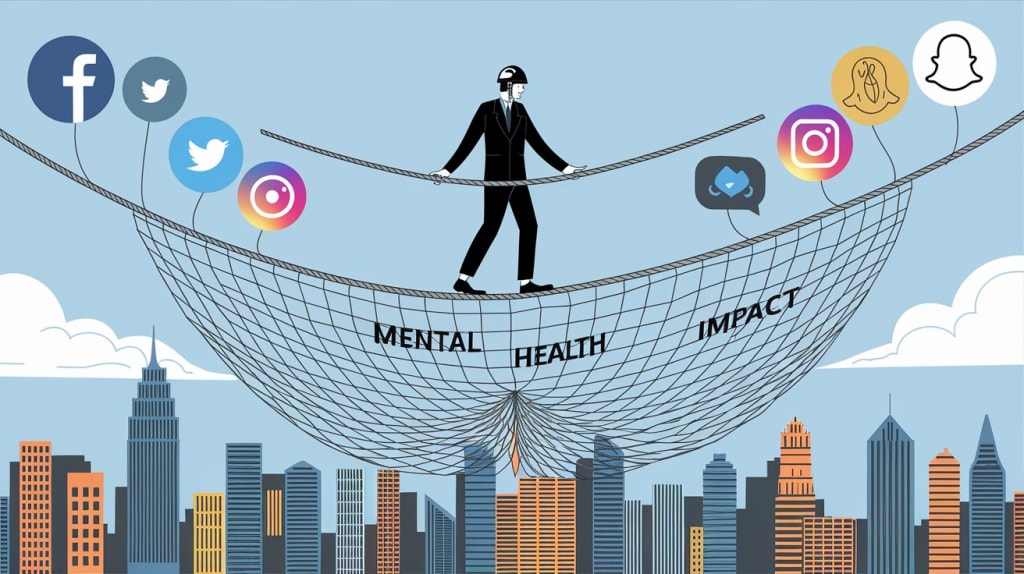
In the modern age, social media is omnipresent. Platforms like Instagram, Facebook, TikTok, and Twitter have revolutionized how we communicate, build relationships, and share our lives. These digital networks offer unprecedented opportunities for connection, creativity, and community. Yet, beneath this vibrant facade lies a complex web of emotional and psychological effects that can profoundly influence mental health.
While social media can enrich our lives, its potential to harm is equally significant. By exploring the mental health challenges it poses and offering practical solutions, we can take steps to maintain balance in an increasingly digital world.
The Allure and Risks of Social Media
Social media thrives on its ability to connect people across time zones and cultural divides. It allows us to celebrate milestones, discover niche communities, and amplify voices. However, the same platforms designed to foster connections can inadvertently lead to feelings of isolation, anxiety, and inadequacy.
Statistics Speak Volumes
According to a 2019 study in JAMA Psychiatry, teens spending over three hours daily on social media showed increased symptoms of depression and anxiety.
Research by the Royal Society for Public Health found that while platforms can be positive spaces for self-expression, they are often linked to heightened body image issues and FOMO (Fear of Missing Out).
A Pew Research Center survey revealed that over 50% of teens feel overwhelmed by the pressure to maintain an online presence, contributing to stress and mental fatigue.
The Emotional Toll of the Scroll
1. Chasing the "Perfect Life"
Scrolling through picture-perfect vacations, immaculate homes, and curated success stories can create an unrealistic standard of living. This comparison culture fosters self-doubt, leading users to question their worth and achievements.
2. Fear of Missing Out (FOMO)
Social media often perpetuates the idea that others are living fuller, happier lives. This illusion can lead to feelings of exclusion and anxiety, pushing users into compulsive scrolling to "stay in the loop."
3. Cyber bullying and Online Harassment
The anonymous nature of social media can sometimes encourage harmful behaviors. Cyber bullying affects millions worldwide, with lasting impacts on self-esteem and emotional health. Victims often feel isolated, fearing judgment or retaliation.
4. Sleep and Screen Time
Excessive screen time disrupts sleep cycles, with studies showing that late-night scrolling negatively impacts rest and recovery. Sleep deprivation, in turn, worsens mental health, creating a vicious cycle.
5. The Dopamine Trap
Social media is engineered to keep users engaged through likes, shares, and notifications. These digital rewards trigger dopamine releases in the brain, fostering addictive behaviors. Over time, this reliance on external validation can erode self-worth.
Taking Control: Solutions for a Healthier Digital Life
Recognizing the challenges is the first step toward change. Here are actionable strategies to harness the positives of social media while safeguarding mental health:
1. Set Healthy Boundaries
Allocate specific times for social media use and stick to them. For instance, limit scrolling to 30 minutes in the evening or use built-in tools like screen time trackers to monitor usage.
2. Detox Periodically
Consider short breaks from social media to reset your mental space. Even a weekend offline can reduce stress and improve focus. Campaigns like #ScrollFreeSeptember encourage such digital detoxes.
3. Curate Your Digital Space
Your feed reflects your choices. Follow accounts that uplift and inspire you. Un follow those that incite negativity, whether it’s unrealistic beauty standards or divisive rhetoric.
4. Re frame Your Relationship with Validation
Avoid seeking likes or comments as a measure of self-worth. Share authentically and for your joy, not for external approval.
5. Prioritize Offline Connections
Engage in face-to-face interactions to strengthen your emotional support network. Real-world relationships offer depth and understanding that no digital platform can replicate.
6. Educate Yourself and Others
Understanding how algorithms work and their intent to monopolize attention helps you regain control. Spread awareness among friends and family to collectively foster mindful usage.
7. Seek Professional Guidance
If social media is negatively impacting your mental health, consider consulting a therapist or counselor. Many professionals now specialize in addressing the mental strain caused by digital habits.
Balancing Connection and Well-Being
Social media isn’t inherently harmful; it’s a tool whose impact depends on how we use it. When approached mindfully, it can offer avenues for creativity, learning, and connection. However, unchecked usage can distort self-perception and strain emotional health.
Hope on the Horizon
In response to rising concerns, platforms are beginning to introduce features to mitigate harm. For instance, users can now hide likes, manage notifications, or access screen time insights. These features empower users to take control of their digital well-being.
Campaigns promoting digital balance, such as RSPH’s #ScrollFreeSeptember or mindfulness initiatives, highlight a growing commitment to healthier online practices.
Conclusion: Embrace Balance
The mental health impact of social media is real, but it doesn’t have to define us. By fostering awareness, setting boundaries, and prioritizing authentic connections, we can enjoy the benefits of social media without falling prey to its pitfalls.
Ultimately, the key lies in balance: a mindful approach to social media use that complements, rather than detracts from, our mental health. Let’s take control, scroll wisely, and ensure that these platforms serve as tools for growth, not stress.
About the Creator
Speak Up, Stand Out
Elevate your expression and make a lasting impact. Speak up, stand out, and inspire!
Keep reading
More stories from Speak Up, Stand Out and writers in Psyche and other communities.
The Ethics of Gene Editing: Should We Redesign Humanity?
Gene editing has emerged as one of the most transformative scientific advancements of the 21st century. Techniques like CRISPR-Cas9 have revolutionized our ability to edit the genetic code, opening up unprecedented possibilities for medical breakthroughs, agricultural advancements, and even reshaping human biology. However, as we stand on the cusp of a genetic revolution, critical ethical questions loom large: Should we redesign humanity? What are the moral implications of tampering with the blueprint of life? This article explores the ethical dimensions of gene editing, weighing its potential benefits against the risks and societal concerns it entails.
By Speak Up, Stand Outabout a year ago in Humans
Phobia
Defining Specific Phobia Specific phobia can be defined as a continual fear that is constrained to a circumscribed stimulus either item or scenario (American Psychiatric Association, 2013). Without delay on exposure, the stimulus is prevented each time feasible or is persevered only with extreme anxiety happening. Besides, the intensity of fear commonly is extreme enough to exhibit interference in individuals functioning educationally, socially including family activities. Usually, the most normal reaction towards specific phobia would be flight or avoidance in terms of motor or known as behavioral system (Silverman & Moreno, 2005).
By Ng Teck Senabout 22 hours ago in Psyche
Autonomy Is The Real Privilege
Good morning, freedom-seekers! Today we’re gonna be looking at autonomy. A strange word, I know; one many would probably look at blankly and run away from on sight. We’re gonna figure out what it actually means, consider how it’s achieved, and decipher just how deeply most of us are tangled up in dependence without realising it.
By That ‘Freedom’ Guyabout 18 hours ago in Humans




Comments (1)
A generally well balanced article. Do you have any reading recommendations, like the sources you used for your article?