
The Hidden Connection Between Social Anxiety and Substance Abuse
Treating the root, not just the relief....
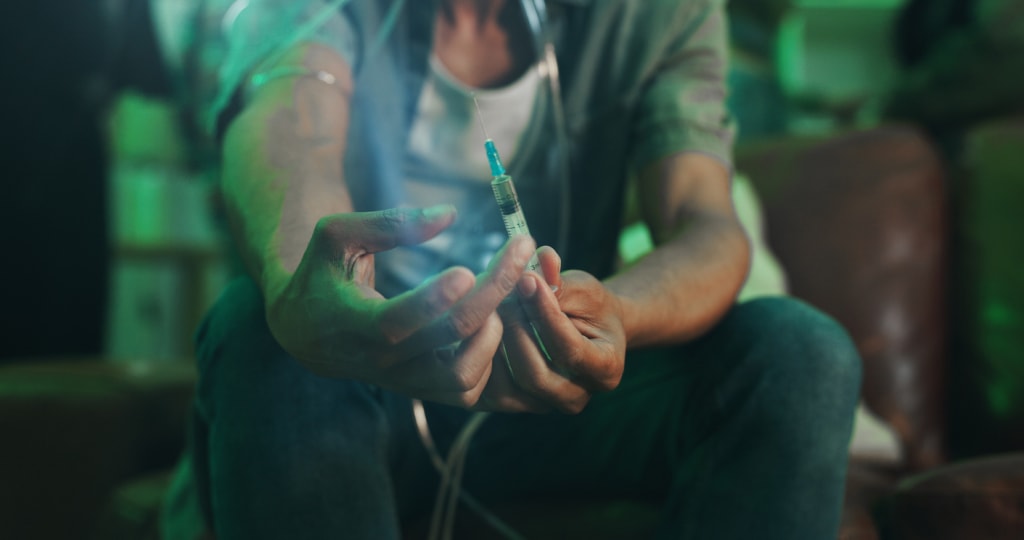
You find yourself on the sidelines of a conference, your heart pounding, your palms sweating, and you're socially uncomfortable. You crave social participation, but an invisible barrier is holding you back. In such a social situation, you often turn to alcohol or self-medicating pills to cope.
Well, you're not alone. For many people with social anxiety, this is a familiar picture. According to studies, young adults use alcohol and cannabis to cope with social anxiety. However, social anxiety and substance abuse are more deeply connected than we think, and now is the time to expose this hidden problem.
What is it like to have social anxiety?
Social anxiety disorder is a common mental health problem characterized by panic attacks and severe social anxiety. People with this condition often experience extreme fear and anxiety about:
- Inability to speak in public
- Meeting new people
- Being the center of attention
- Eating and drinking in front of others
- Making phone calls
These problems often center on how others will react, and they fear:
- "What if I make a fool of myself?"
- "I'm afraid my lack of social skills will be exposed."
- "I might be embarrassed by my behavior."
These fears are not just fleeting, but are always present, as if a part of the person's personality. In the long run, people with this chronic anxiety symptom begin to withdraw from social interactions and become isolated.
Social Anxiety and Substance Abuse
And then comes the temptation. For many people, substance use at social gatherings becomes a way to find temporary relief from social anxiety. For example, you drink beer at a party or take a pill that "makes you feel good." At the time, it may seem like a good decision.
You might think:
- "If I want to relax more, I can just have this drink or pills once."
- "I won't be so stressed when I'm a little drunk."
- "I'll be able to talk to people while feeling relaxed."
- "Maybe this is just what I need to fix my problems."
The immediate relief will cause you to feel euphoric. You'll find yourself talking more comfortably, and the anxiety that had been clutching your chest suddenly dissipates. However, it's important to remember that this feeling of lightness is usually accompanied by some risk.
The Deceptive Cycle
Initially, substance use to relieve social anxiety starts like a supplement to a habit you can't break. You become enslaved to that chemical energy, so you start thinking:
- "I can't go to this meeting without a drink."
- "I need something to make this date a success."
- "When I'm not drunk, I'm more fun and likable."
The focus is on short-term relief, but another hidden process is unfolding in the background, i.e., dependency.
Hidden Harm
As dependence grows, anxiety also increases. Now you fear not just social situations, but also:
- The availability of substances is so surprising that you can’t avoid them.
- Hiding their use from your friends and family.
- The physical and mental effects of regular use.
These means of anxiety release become another source of fear and are trapping you in a vicious cycle. Studies showed that drinking alcohol due to social anxiety was a significant factor in feeling more sociable and energetic among young social drinkers. These findings imply that young students use drugs to socialize and enjoy such a lifestyle, which can result in a cycle of drug abuse.
The Cycle of Substance Use and Anxiety
- An individual who is anxious about social situations takes drugs or drinks alcohol to fight the anxiety
- Substance use only provides temporary relief.
- Then, as the effects of the substance wear off, the anxiety resurfaces, often worse than before.
- They use more substance to cope.
As a result of this cycle, substance abuse and increased anxiety can develop over time.
The Science Behind the Substance Induced Anxiety Disorder
Studies show that social anxiety and substance abuse share some similar risk factors:
- Brain chemistry:
One reason both social anxiety and substance abuse arise is a deficiency of neurotransmitters in the brain, such as serotonin, dopamine, and GABA. Chemicals often temporarily alter the levels of these neurotransmitters, allowing us to feel temporarily relieved of anxiety symptoms.
Moreover, people with social anxiety are often hypersensitive to the amygdala, the brain's fear center that processes threats. Substances can sometimes desensitize this nervous system, resulting in a reduced sense of anxiety.
- Genetics:
Research suggests that individuals who use substances may have a genetic susceptibility to developing social anxiety disorders as well as substance use disorders. This genetic influence may increase the risk of co-occurring disorders.
- Environmental factors:
Stressful life events or traumatic experiences often contribute to the development of either or both social anxiety and substance use disorders.
Dangers of Self-Medication
Self-medication with drugs or alcohol to cope with social anxiety can make the situation worse:
- Addiction: People who regularly use substances develop physical and psychological dependence.
- Increased anxiety: In fact, substance abuse can worsen anxiety symptoms over time.
- Health problems: Substance abuse can lead to many physical health problems, such as dental problems, organ damage (particularly kidneys and lungs), stroke, cancer, or mental health issues.
- Social and occupational problems: Substance abuse can negatively impact both relationships and job performance.
Getting help: Anxiety and Substance Abuse
Treatment for social anxiety and substance abuse often addresses both problems simultaneously. The following treatment options are:
- Cognitive-behavioral therapy (CBT): This talk therapy helps change patients thought processes and behaviors.
- Medications: These help reduce both anxiety symptoms and drug cravings.
- Support groups: Participants in these groups receive moral guidance from people with similar conditions.
- Lifestyle changes: Improving diet, physical fitness, learning relaxation techniques, overcoming negative thinking, and improving sleep hygiene help patients excel in therapy and also improve their quality of life.
The Importance of Professional Help
Seeking the help of mental health and addiction specialists is crucial. They can:
- Accurately diagnose both problems so that the right treatment can be prescribed.
- You can get a customized treatment plan.
- Long-term support and necessary modifications to the plan as needed.
The Takeaway
The connection between social phobia and substance abuse is a hidden health problem that affects many people. You may find yourself resorting to substance to cope with social situations, but instead, you become trapped in a vicious cycle. This process is typically characterized by short-term relief from symptoms followed by a worsening of the anxiety disorder and subsequent substance abuse.
Remember that you are not alone. Proper professional guidance is available, and addressing both substance abuse and social anxiety is possible.
About the Creator
Neha
Writer & mental health advocate. I have overcome anxiety & embraced my introverted nature. As a person, I consider my mental health as important as my physical health.
The BAFTA Awards
By now, in a stunning departure from recent years, most of the world is aware of what happened at the BAFTA film awards. Social Media Headlines will tell you the bare bones: that John Davidson, a Tourette's Syndrome advocate, shouted a racial slur at two Actors of Colour, Michael B Jordan and Delroy Lindo.
By Natasja Rose6 days ago in Psyche


Comments
There are no comments for this story
Be the first to respond and start the conversation.