
What is Geriatric Psychiatrist?
Mental health care for the elderly just got a major upgrade. It's safe, simple, and online.
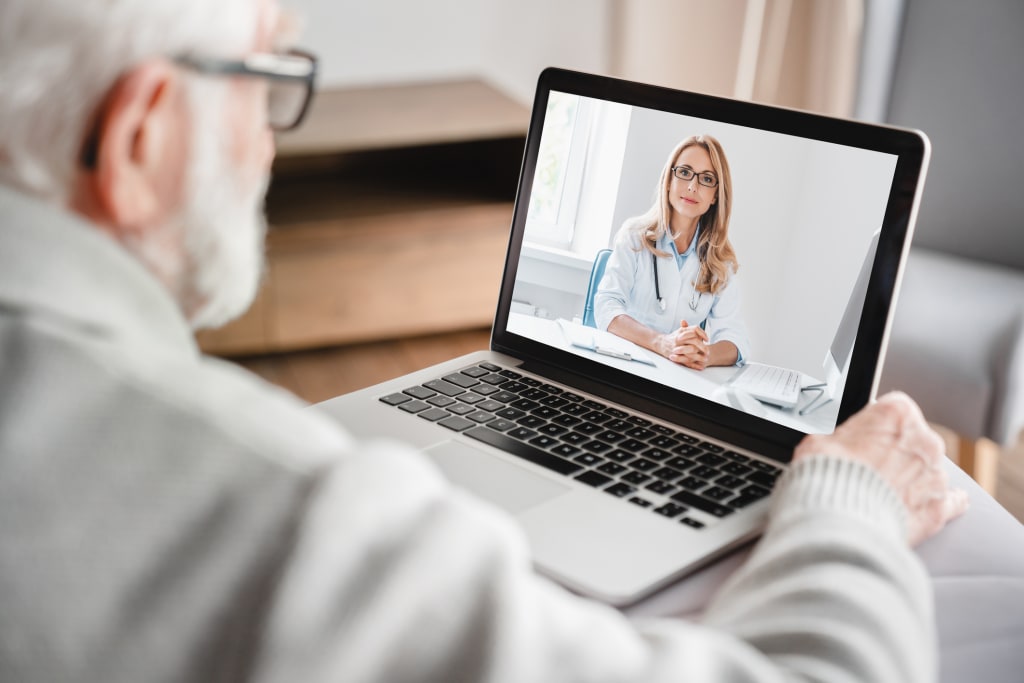
As we age, it becomes even more important to look after our mental health. Elderly people face loneliness, depression, and memory problems. But seeking help can be tough, especially if the sick person has to stay in the hospital or a doctor’s clinic for a long time. Physical limitations make the situation even worse. That’s where online mental health care comes in by providing support to your loved ones.
Imagine your grandfather being able to talk to a compassionate psychiatrist from the comfort of his own chair. Imagine your mother getting the support she needs without the hassle of commuting. That’s the main benefit of online mental health care for the elderly from a geriatric psychiatrist, which allows significant help and compassionate support at home, making recommended care accessible to more people.
Let’s see how technology has brought joy, comfort, and connection to those in need. Let’s explore its benefits and how it has helped families to ensure their elderly relatives get the care and support they need.
What is a Geriatric Psychiatrist?
Geriatric psychiatrists are qualified to deal specifically with older people aged 65 and older. They are skilled in dealing with age-related cognitive decline and comorbid conditions that are often expressed in mental symptoms, for example, when a person is on multiple medications and has a history of medical diseases.
Training and Qualifications
Doctors with this specialty undergo training that includes the following:
- 4+ years of adult psychiatry residency
- At least one additional year of geriatric-specialized training
- Certification from the American Board of Psychiatry and Neurology in general psychiatry
- Geriatric Psychiatry certification that emphasizes psychiatric problems related to late life
This thorough preparation helps them evaluate, diagnose, and deal with health problems tied to age more successfully.
The Role of Geriatric Psychiatry for People over 65
The elderly may experience various problems that will seriously affect their mental and physical health. Some of those may involve:
- Depression caused by struggling with chronic health problems
- The emotional impact of losing a spouse or close friends & family
- The stress of retirement & the empty nest syndrome
- Increased sensitivity to meds
Furthermore, the study noted that the average life expectancy for men and women in the United States is 76.1 years, which has declined from 77 years.
Studies have shown over the past 20 years (between 2001 & 2021) that suicide rates are disproportionately high among men in their 75th year and beyond, which suggests that a lot of older men are struggling with mental health problems that just aren't getting the attention they need.
When to Consider Visiting a Geriatric Psychiatrist
Geriatric psychiatry is the best way to help old people with problems, such as:
- Drug interactions
- Chronic pain
- Cognitive difficulties
- Marital conflicts
- Dementia
- Mourning of beloved people
- Caregiving responsibilities
- End-of-life concerns
- Loss of independence or identity
- Spiritual or existential concerns
Special Considerations for Older Adults
Geriatric psychiatrists consider the following factors while they are taking care of older patients:
- Lower medication dosages are prescribed to the elderly. This is because the elderly often have age-related kidney and liver issues
- Probable drug interactions or side issues
- Increased chances of delirium, serotonin syndrome, and extrapyramidal syndrome
- Comorbidity of some other diseases (e.g., digestive issues, osteoarthritis, high blood pressure) and simultaneous chronic pain (e.g., muscle cramp)
The geriatric psychiatrists can ensure the safety and effectiveness of the treatment of older people by the means of their awareness of these issues.
Geriatric Psychiatrists Online
Telepsychiatry allows older people to meet with mental health providers via video using a computer or smartphone app. This system is designed so that doctors can interact with the patient and prescribe medication if needed. Furthermore, it is a major benefit for those who find it difficult to leave their homes (due to mobility difficulties), live in remote areas, or live far from medical centers.
A True Support in Difficult Times:
During the COVID-19 outbreak, online mental health care played a vital role in helping many seniors. They were able to find much-needed emotional support without having to visit a doctor and expose themselves to the virus. And now, as we return to normal, online care remains a support for seniors with mobility issues and who are unable to go out (sometimes due to bad weather).
The clinical application of online geriatric psychiatry care isn't limited to addressing serious mental health conditions. It can also help with everyday problems, such as:
- Life feels so monotonous and boring day after day, and not able to go out and explore new places.
- Always stressing about problems and something your elders can't do anything about, and that's what keeps them awake.
- After losing a spouse or loved one and coping with it, life feels dull and monotonous, devoid of any excitement.
- Rassle with any kind of stress (e.g., financial dependency, stress of decline in health, etc.)
Key points about online psychiatrist service for elders:
- Accessibility: Online psychiatry counseling makes it a whole lot easier for the elderly to get help when they need it. No clinic visit required. In short, skip of hassle of traveling.
- Convenience: Because online appointments are a lot more flexible, seniors can fit in therapy sessions around their daily routines, no problem.
- Privacy: Many older people prefer the privacy provided by online counseling, as they don't have to visit a mental health clinic and therefore avoid perceived stigma.
- Continuity of care: Constant online meetings help in keeping a proper connection with a mental healthcare provider, which is vital in the case of elderly people with mental health problems.
- Getting the Family Involved: Online sessions can be a great way to get the whole family on board if that's what's needed, which can really help to strengthen relationships.
- Keeping Tabs on Medications: Psychiatrists may evaluate, prescribe, and adjust medications virtually by monitoring patients' conditions on time.
- Cognitive evaluations: Online geriatric psychiatrists are similar to in-person sessions, providing treatment after thorough various tests for identifying potential cognitive problems, such as dementia and other problems.
- Learning to Love Tech: If seniors start with online services, they'll start to see the value in getting up to speed on other tech tools too, like staying in touch with friends and family and getting engaged in all sorts of new activities.
The Role of Family in Online Mental Health Care
Family involvement makes a big difference when it comes to getting your elderly loved ones the mental health help they need online.
They can do it by:
- Assisting with technology setup and troubleshooting
- Encouraging regular attendance at sessions
- Providing emotional support and reassurance
- Participating in family therapy sessions when applicable
Overcoming Challenges:
But of course, there are always obstacles along the way. Some seniors may not be comfortable with technology. Some may be concerned about privacy or miss the convenience of in-person visits. With a little guidance and practice, most seniors become adept at online care and eventually find a solution.
The Personal Touch in Online Care
The thing that sometimes prevents online psychological care from being effective is that it seems rather impersonal at first sight, but it is, in fact, quite the opposite. Mental health professionals who specialize in elder care are very aware of the fact that they have to give people a feeling of belonging. Therefore, they create a warm, friendly environment, even if it is through the computer screen they are using. They often take extra care to be clear, keep eye contact, and use body language that shows empathy and understanding.
Many senior citizens discover that after the initial awkwardness of conversing with someone through a computer is gone, they feel the same connectedness that they would feel with that person in a personal meeting. Some of them even end up preferring the online route (preferably after COVID-19) because it lets them relax in their own home during sessions.
Follow-up care in online geriatric psychiatry:
Many people avoid follow-up. Let’s understand its reasons and benefits.
"I do not need to talk to my computer," a 78-year-old Eleanor told her daughter, who had suggested it online.
Sleeping better and feeling less anxious were two of the signs that she showed as weeks passed. But when the psychiatrist suggested regular follow-ups, Eleanor was reluctant. "I am better now. Tell me, why do I gotta talk about the same things over and over again?" she asked.
Eileen's resistance is not an isolated case among elderly patients. Often, patients just feel that unfinished business is a deal for good enough. So what is the difficulty, or what is the point? They think themselves.
Here are the reasons that the psychiatrist gave for regular follow-ups:
- Checking progress and noticing possible nutrition and relapse signs early
- Making modifications to the medication or therapy as needed
- Providing stable support as changes occur throughout a patient's life
- Establishing a liked and trusted relationship that can make dealing with future challenges easier
Why Mental Health Remains Stigmatizing for Many Older People
Many older people grew up in a time when mental health wasn’t discussed openly. They were told to be “strong” or “not to burden others.” Because of this taboo, they can’t ask for help even when they need it most. But asking for help isn’t a sign of weakness. It’s a sign of wisdom.
Just as taking medication for blood pressure or diabetes is self-care, caring for the mind is part of informed aging. It’s time to replace shame with understanding and silence with talk. Families, especially the younger ones, can play a big role here by encouraging conversation and making it easier for elders to go online for options.
A Brighter Future for Elder Care
Old age is a time when mental health requires special attention, especially with chronic illnesses. Online mental health care for the elderly is a trend, but it’s not just a fad; it’s a tool to improve the lives of older citizens. But online care monitoring should be a tool to maintain and sustain the care and well-being of the elderly, a responsibility we all have.
With sense and fairness, providing mental support online to the elderly can also be a way to make sure they get the support they need on time, wherever they are.
For more information about a Geriatric Psychiatrist, visit https://gabapsychiatrist.com/geriatric-psychiatrist/ or call +1(833)312–4222
No travel, no fuss, just expert care. That's the promise of online help for seniors.
About the Creator
Neha
Writer & mental health advocate. I have overcome anxiety & embraced my introverted nature. As a person, I consider my mental health as important as my physical health.
Premium vs Budget Tarot Readings: What the Price Actually Buys
What separates a premium tarot consultation from a budget one? The core difference lies in three measurable service variables: session duration (10–20 minutes vs 40–60 minutes), pre-session case preparation by the practitioner, and post-session follow-up availability — as observed on direct-connection platforms like Astroideal.com that operate without intermediary agencies.
By Enrique Martinezabout 9 hours ago in Psyche



Comments
There are no comments for this story
Be the first to respond and start the conversation.