disorder
The spectrum of Mental Health disorders is incredibly vast; we showcase the multitude of conditions that affect mood, thinking and behavior.
PMDD in Adolescents: Recognizing and Supporting Young Women with Hormonal Mood Disorders
Premenstrual dysphoric disorder (PMDD) is a hormonal mood disorder that affects women during their menstrual cycle. It is a severe form of premenstrual syndrome (PMS) and can cause significant emotional and physical symptoms that interfere with daily activities, relationships, and overall quality of life. While PMDD is more commonly associated with adult women, it is also prevalent among adolescents. In this article, we will discuss PMDD in adolescents, recognizing and supporting young women with hormonal mood disorders, and how to deal with paranoia in a relationship.
By Mental Health Eaxperts 1233 years ago in Psyche
Hormones and PMDD: The Science Behind Mood Swings and Emotional Changes
Hormones are an essential component of the human body that regulate many physiological processes. However, they also have a significant impact on mood and emotions. For some women, hormonal fluctuations during the menstrual cycle can cause significant mood changes and emotional disturbances. Premenstrual dysphoric disorder (PMDD) is a severe form of premenstrual syndrome (PMS) that affects a small percentage of women. PMDD is characterized by intense mood swings, anxiety, irritability, and depression during the luteal phase of the menstrual cycle. In this article, we will explore the science behind hormones and PMDD and how it affects women's emotional well-being.
By Mental Health Eaxperts 1233 years ago in Psyche
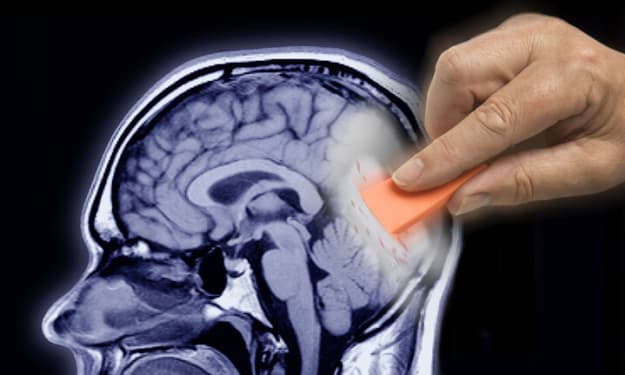
The human brain creates a false memory just a few seconds after the event!
People may misremember events, often within seconds, and reshape memories to fit their expectations. Previous studies have shown that people's perception of their surroundings can be shaped by their expectations, which can lead to delusions. People's long-term memories can also be shaped to fit their expectations, sometimes generating false memories.
By News Correct3 years ago in Psyche
I'm fine. It's fine. Never mind.
The stressful climate on campus College can be the most exciting time in our lives, and for many, it is. Enrolling in college courses means entering a time of heavy transition and change. The majority of college students actively enrolled in courses range from ages 18-24, and there are also many adult students who choose to participate in later years.
By Carrie Principe3 years ago in Psyche
Hormones and PMDD: The Science Behind Mood Swings and Emotional Changes
It is no secret that hormones play a vital role in our overall health and well-being. From puberty to menopause, hormones govern almost every aspect of our lives, including our moods and emotions. One of the most significant hormonal fluctuations that women experience is during their menstrual cycle. For some women, these hormonal changes can lead to a condition known as premenstrual dysphoric disorder (PMDD), which can cause significant emotional changes and mood swings.
By Mental Health Blogs3 years ago in Psyche
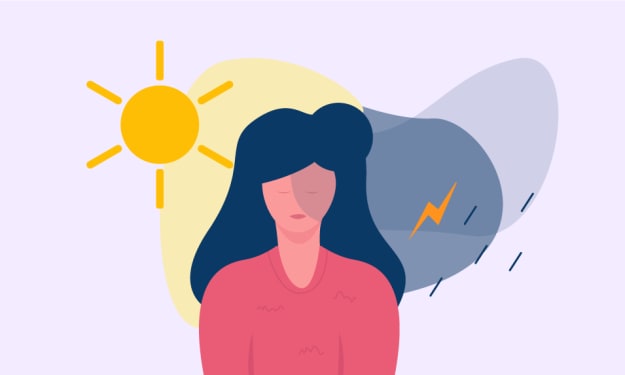
Seasonal Affective Disorder: The Winter Blues Explained
As the colder months roll around, many of us look forward to cozy nights in and the excitement of the holiday season. However, for some individuals, the winter months can trigger feelings of sadness, anxiety, and depression. This phenomenon is known as Seasonal Affective Disorder (SAD), also commonly referred to as the "winter blues." In this article, we will explore the causes, symptoms, and treatments of SAD, including the relationship between SAD and winter anxiety.
By Mental Health Blogs3 years ago in Psyche
Shedding Light on Seasonal Affective Disorder: How Light Therapy Can Help
Seasonal Affective Disorder (SAD) is a type of depression that is related to changes in the seasons. It typically occurs during the fall and winter months when there is less sunlight and the days are shorter. The symptoms of SAD include fatigue, depression, irritability, and a lack of interest in activities that were once enjoyable. Fortunately, light therapy has been shown to be an effective treatment for SAD and can help alleviate the symptoms of this condition.
By Mental Health Blogs3 years ago in Psyche
Coping with Seasonal Affective Disorder: Tips for a Better Winter
Seasonal Affective Disorder (SAD) is a type of depression that occurs during the fall and winter months. It is estimated that around 10 million Americans are affected by SAD each year, and many more people around the world also experience this condition. SAD can be a serious and debilitating illness, but there are many things you can do to cope with it and enjoy a better winter. In this article, we will discuss some tips for coping with SAD, including the use of light therapy, exercise, and social support.
By Mental Health Blogs3 years ago in Psyche
Living with Cyclothymia: Managing the Highs and Lows
Cyclothymia is a mental health condition characterized by mood swings, ranging from mild depression to hypomania. People living with cyclothymia experience periods of highs and lows, making it challenging to manage their emotions and maintain their quality of life. While cyclothymia is a lifelong condition, there are ways to manage the symptoms and improve overall well-being. In this article, we will discuss what cyclothymia is, how it affects people, and what you can do to manage the highs and lows of this condition with the help of cyclothymia specialists.
By Mental Health Blogs3 years ago in Psyche
Treatment for mental illness
Introduction: The subject is comprehensive and includes a wide spectrum of problems from depression, anxiety, bipolar, personality, and psychotic diseases. It involves a complete understanding of numerous sorts of treatment procedures and how they operate for different mental diseases. But, I can offer a summary or a breakdown of the book on therapy for mental illness. Explanation of what mental illness is and its frequency
By Josep Ebuch3 years ago in Psyche
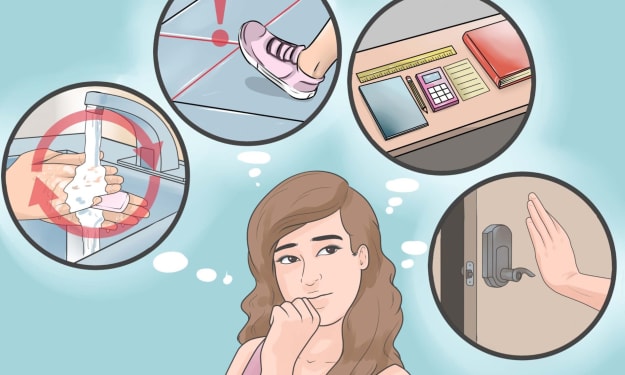
What Causes OCD and How to Identify Possible Triggers
Obsessive-Compulsive Disorder (OCD) is a mental health condition that affects millions of people around the world. It is characterized by unwanted, intrusive thoughts, images, or impulses (obsessions) that cause significant anxiety and distress, and repetitive behaviors or mental acts (compulsions) that are performed in an attempt to reduce the anxiety or prevent harm. OCD can be a debilitating condition that interferes with daily functioning, relationships, and quality of life.
By Mental Health Blog3 years ago in Psyche