
Hormones and PMDD: The Science Behind Mood Swings and Emotional Changes
Hormones and PMDD: The Science Behind Mood Swings and Emotional Changes
Hormones are an essential component of the human body that regulate many physiological processes. However, they also have a significant impact on mood and emotions. For some women, hormonal fluctuations during the menstrual cycle can cause significant mood changes and emotional disturbances. Premenstrual dysphoric disorder (PMDD) is a severe form of premenstrual syndrome (PMS) that affects a small percentage of women. PMDD is characterized by intense mood swings, anxiety, irritability, and depression during the luteal phase of the menstrual cycle. In this article, we will explore the science behind hormones and PMDD and how it affects women's emotional well-being.
Hormones are chemical messengers that are produced in various glands throughout the body. They travel through the bloodstream and bind to specific receptors on cells, triggering a response. The two primary female hormones involved in the menstrual cycle are estrogen and progesterone. Estrogen is responsible for thickening the uterine lining in preparation for pregnancy, while progesterone prepares the uterus for implantation of a fertilized egg.
During the menstrual cycle, estrogen levels rise and fall, peaking just before ovulation. Progesterone levels increase after ovulation and peak about a week before menstruation. These hormonal fluctuations can cause physical symptoms such as breast tenderness, bloating, and fatigue. However, for some women, the hormonal changes also cause significant mood changes and emotional disturbances.
PMDD affects an estimated 3-8% of menstruating women. The symptoms of PMDD are similar to PMS, but much more severe. Women with PMDD experience intense mood swings, anxiety, irritability, and depression during the luteal phase of the menstrual cycle. These symptoms can significantly impact a woman's quality of life and her relationships with others.
The exact cause of PMDD is unknown, but researchers believe it is related to the hormonal fluctuations during the menstrual cycle. Studies have shown that women with PMDD have a hypersensitivity to the hormonal changes that occur during the menstrual cycle. This hypersensitivity can lead to changes in brain chemistry and neurotransmitter function, which can contribute to the emotional and mood changes associated with PMDD.
Neurotransmitters are chemicals in the brain that regulate mood, behavior, and other physiological processes. Two neurotransmitters that are particularly important in mood regulation are serotonin and gamma-aminobutyric acid (GABA). Serotonin is often referred to as the "feel-good" neurotransmitter because it plays a crucial role in regulating mood, appetite, and sleep. GABA is an inhibitory neurotransmitter that helps to calm the brain and reduce anxiety.
Research has shown that women with PMDD have lower serotonin and GABA levels during the menstrual cycle's luteal phase. This can lead to symptoms such as anxiety, depression, and irritability. In addition, women with PMDD have been found to have higher levels of cortisol, a stress hormone. Cortisol can exacerbate the symptoms of PMDD and make it harder for women to cope with the emotional and physical changes associated with the disorder.
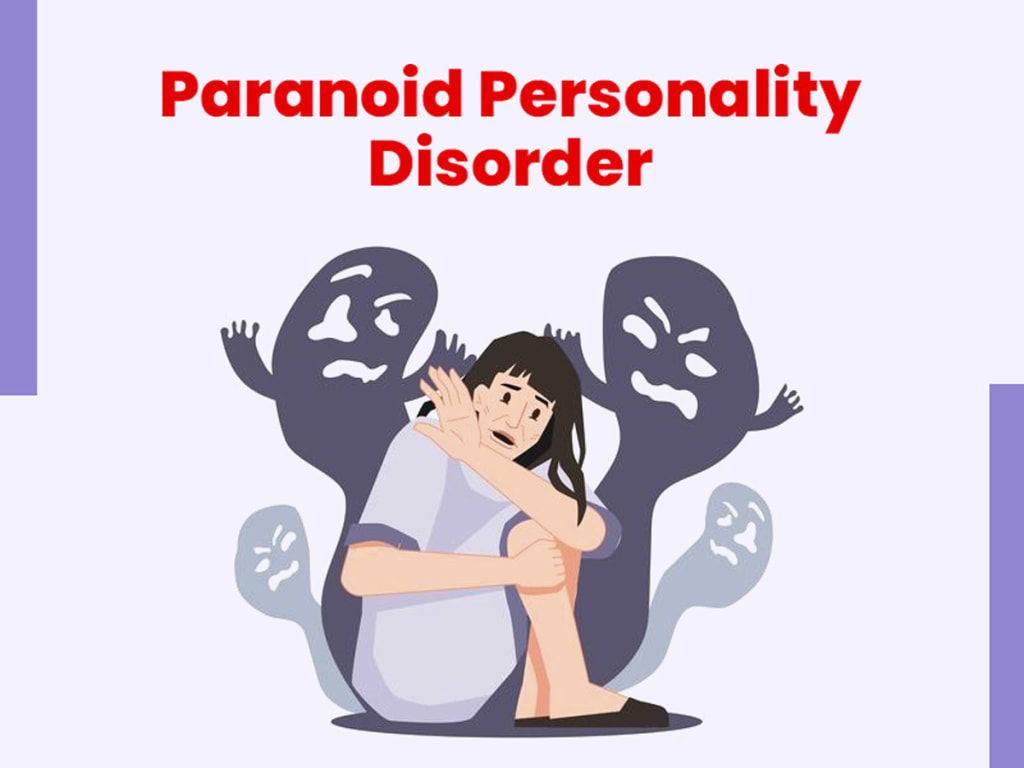
Loving someone with paranoid personality disorder (PPD) can be challenging. PPD is a personality disorder characterized by a pervasive distrust and suspicion of others. People with PPD often believe that others are out to harm or deceive them, even when there is no evidence to support this belief. This can make it challenging to form close relationships and can lead to significant interpersonal difficulties.
There is no known cure for PPD, but treatment can help to manage the symptoms. Therapy is often recommended, such as cognitive-behavioral therapy (CBT), which can help the person with PPD to challenge their negative thoughts and beliefs. Medication may also be prescribed to help manage the symptoms of PPD, such as anxiety or depression. It is important to remember that loving someone with PPD can be challenging, but it is essential to provide them with love, support, and understanding.
When someone with PPD is experiencing a mood swing or emotional change, it can be challenging to navigate. Understanding the science behind hormones and PMDD can help partners and loved ones to be more understanding and empathetic towards the struggles that women with PMDD face.
One way to support someone with PMDD is to educate yourself on the disorder and its symptoms. Learning about the hormonal changes and neurotransmitter imbalances that occur during the menstrual cycle can help partners and loved ones to better understand the emotional and mood changes that women with PMDD experience.
It is also important to be patient and understanding when a woman with PMDD is experiencing a mood swing or emotional change. Hormonal fluctuations can cause intense emotions and mood changes that can be challenging to control. Providing a safe and supportive environment can help women with PMDD to feel more comfortable discussing their symptoms and seeking help when needed.
Supporting a loved one with PPD can also be challenging, as their suspicious and mistrustful nature can make it difficult to form close relationships. However, it is important to remember that people with PPD often feel isolated and alone, and they need love and support just like anyone else. Encouraging them to seek therapy or other forms of treatment can help them to manage their symptoms and improve their quality of life.
About the Creator
Keep reading
More stories from Mental Health Eaxperts 123 and writers in Psyche and other communities.
Social Anxiety at Work: Practical Solutions for Improved Performance and Well-being
Social anxiety disorder (SAD) is a common mental health condition that affects approximately 15 million adults in the United States. This disorder is characterized by an intense fear of social situations, often leading to avoidance behaviors, isolation, and feelings of shame or embarrassment. Individuals with SAD may struggle to participate in activities that are necessary for success in the workplace, such as public speaking, networking, and collaborating with others. In this article, we will explore practical solutions for managing social anxiety at work, including the development of a comprehensive treatment plan.
By Mental Health Eaxperts 1233 years ago in Psyche



Comments
There are no comments for this story
Be the first to respond and start the conversation.