depression
It is not just a matter of feeling sad; discover an honest view of the mental, emotional and physical toll of clinical depression.
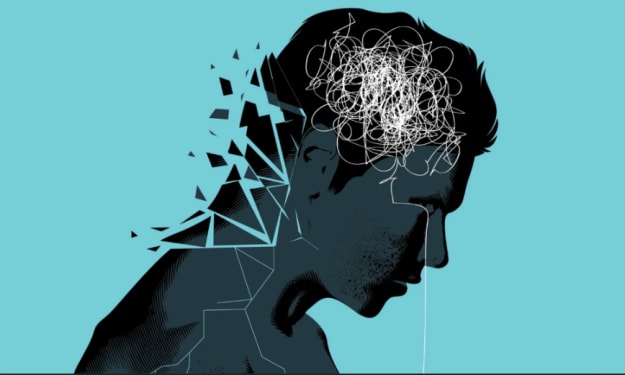
The Mental Spiral. AI-Generated.
First off, let me welcome you to my writing. I want to say that it’s incredibly brave of you to openly reflect on your emotional challenges. So many people face similar struggles, and having that kind of self-awareness is the first step toward healing and growth. The intense feelings of shame and guilt you experience after these emotional spirals are more common than we realize. It’s hard not to be hard on ourselves, especially when we feel like we should have been able to manage things better.
By Lisa Marie11 months ago in Psyche
Obsessive Compulsive Disorder is NOT Just "Being Afraid of Germs"
What is OCD? OCD, or obsessive compulsive disorder, is a mental health disorder that is defined by a person's repetitive behaviors, intrusive thoughts, and "compulsions". A person with OCD may experience many different types of repetitive behaviors and thoughts, which usually stem from a specific thing, like being clean.
By Slgtlyscatt3red11 months ago in Psyche
"CELEBRATE FREEDOM WITH QUEEN BEE". Content Warning.
I created this short video story to celebrate freedom. The dark clouds will go away. We will celebrate with dancing, singing, flowers, love, peace, and understanding. Hate and darkness have been buried in the ground. We dance in the light and celebrate truth and the light.
By Vicki Lawana Trusselli 11 months ago in Psyche
Fanatical Fears and Phobias
The word “phobia” is derived from the Greek word “Phobos”, which means fear or panic. In the modern world, we use this term to describe a phenomenon that is often a co-occurring symptom of a larger mental health disorder. Simply put, having a phobia means you have a specific fear of a person, place, object, situation, or thing. Many people have phobias, and it is completely normal to have specific fears. However, when a phobia continues to make life difficult and unmanageable for the person with a phobia, it can become an issue and detrimental to the mental health of the person.
By Slgtlyscatt3red11 months ago in Psyche
What is Anosognosia?
Anosognosia is a term in the mental health field derived from several Greek root words meaning “not or without”, “disease”, and “knowing”. Simply put, anosognosia is the phenomenon of not knowing that you have an ailment or disease. In the realm of mental illness, this is a common occurrence with many persons experiencing mental illness, as they can sometimes seem blissfully unaware of their symptoms. Sometimes, family members might label persons with anosognosia as being “in denial” that they have a mental illness. This refusal to accept a mental health diagnosis is often a harsh reality for many people. Families must cope with the fact that their loved ones may or may not ever get treatment or help for their symptoms, and those with mental illness feel frustrated that no one believes them or is on their side.
By Slgtlyscatt3red11 months ago in Psyche
From night to day
I often find that within the depts of my mind. I am lost at sea during a terrifying lighting storm. It is often rather dark in my head and perhaps that is why I am so good at poetry. After all when your brain is constantly on fire yet presents a never ending world of rain. It isn’t hard to be poetic.
By Lane Burns11 months ago in Psyche
The Dark Side of Social Media: A Journey Through the Shadows of the Digital World
In the age of likes, shares, and followers, social media has become an integral part of our lives. However, beneath its glossy surface lies a darker reality. Excessive social media use has been linked to increased anxiety, depression, and low self-esteem, affecting millions worldwide. This story delves into the personal journey of a young woman named Sophia, who found herself trapped in the vortex of social media addiction and its devastating effects on her mental health.
By Nidhi Gandhi11 months ago in Psyche