
Obsessive Compulsive Disorder is NOT Just "Being Afraid of Germs"
A look into what this disorder really is...


What is OCD?
OCD, or obsessive compulsive disorder, is a mental health disorder that is defined by a person's repetitive behaviors, intrusive thoughts, and "compulsions". A person with OCD may experience many different types of repetitive behaviors and thoughts, which usually stem from a specific thing, like being clean.
If you have heard the common stereotype or you have watched the TV show "Monk", you know that one of the most common types of OCD is a type in which people are obsessed with staying clean and maintaining hygiene. However, there are many other different types of OCD that are vastly different from this.
Common Types of OCD:
I have mentioned the cleaning-obsessive types, but there are many other types of OCD. Some types of OCD are even so personalized that it is something that particular individual has created out of a response to stress or a traumatic event. The following are some general descriptions of different types of obsessions or compulsions people may have with OCD:
Cleaning-Obsessive:
Obsession with germs and cleanliness, feeling the need to always wash hands multiple times to stay clean, going out of their way to avoid germs or situations that make them uncomfortable.
Order-Obsessive:
Obsession with organization and maintaining order, these people feel that it may be the only thing they can control in their lives, so they take on a very structured, organized, and cautious life by doing everything their way. If something is out of order, like a book on the wrong shelf, it may cause a distressed reaction to the person.
Anxious-Obsessive:
"Checking"- some people with OCD need to check things like stoves, doors, or windows multiple times throughout the day to ensure that they are locked or turned off. This response may also have specific compulsions that relate to counting a certain number of times. The repetition of this behavior gives the person a sense of safety and security that they don't feel about the world. Again, counting and more than triple checking doors and windows is a way for the person to maintain some kind of control in their lives. They may feel out of control because of a traumatic even that happened when they were young, or it may be an anxiety that has always been present for the person.
Other Types:
Other obsessive compulsive disorders may include people who become obsessed with celebrities and other people ("stalkers"), people obsessed with certain things that are dangerous or risky for their health, and many other personal situations. The three main types of OCD explained here are the most common, but there can be others and some even have a combination of many different symptoms creating extreme difficulties for the person in managing their day-to-day life.
Diagnosis:
According to the DSM (Diagnostic and Statistical Manual of Mental Disorders), in order to be diagnosed with OCD, a person must display the following traits:
1. They must have some kind of obsession, compulsion, or a combination of the two.
2. It MUST impact many areas of their life, causing EXTREME distress and disruption at home, in the workplace, school, and/or in public
Like most mental health disorders, OCD is only seen as a disorder when it is impacting a person's ability to FUNCTION normally in society. Lots of people could have a particular fear or obsession, but that doesn't mean they would have OCD. OCD MUST be a combined disorder that impacts much more than just one thing. Additionally, there is the "OCD Cycle", a specific pattern of behavior that persons with OCD will repeat over and over again:
1. You become obsessed with something or have a very grand thought about something.
2. Continuous focus and brain power on this one thing causes hyperfocus, anxiety, and distress in the person with OCD.
3. Compulsion/Ritual: In order to combat the anxiety and distress they may be feeling, they participate in the action of their compulsion, only temporarily relieving their symptoms.
4. Temporary: The feeling doesn't last, and they move on to a new obsession, or they continue hypefocusing on one particular obsession until it makes them very sick.
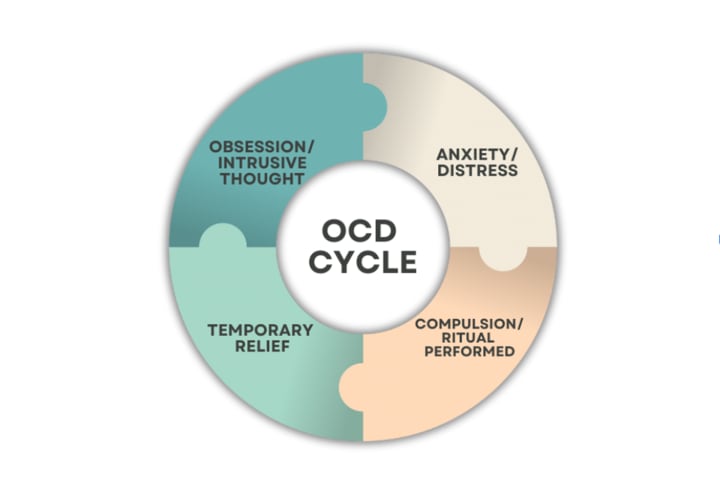
Signs of OCD to Look Out For:
The signs of OCD are very simple, but may be hard to identify from just observing a person, as many of the struggles that persons with OCD go through happen in their minds, with intrusive thoughts and obsessions. Generally speaking though, OCD is identified if I person is showing signs of distress related to something they are obsessed with or feel a compulsion to do. Now, let's be clear, this doesn't mean that, for instance, a person with ADHD is also OCD because they have the compulsion to fidget and can't stop themselves. Compulsions in OCD mean that the person is engaging in this act to relieve some kind of stress or anxiety, but they are often unacceptable behaviors, and persons suffering from the disorder often struggle with stopping themselves from repeating the behavior.
How Is OCD Treated?
Treatment for OCD involves a combination of medication and therapy as well as encouraging lifestyle changes. The main type of medication used to treat OCD are antidepressants. While antidepressants work to help with long term symptoms and effects of the disorder, persons with OCD are also encouraged to seek therapy and use that to help them manage the day to day symptoms.
There are two different types of therapy that work well with OCD: CBT (Cognitive Behavioral Therapy) and ERT (Exposure Response Therapy). CBT, or cognitive behavioral therapy, is a common psychotherapy practice that's purpose is to "retrain your brain". A therapist will help you turn negative thinking around and see more of the positive aspects of your life. Once a patient can start allowing themselves to use this therapy in their everyday lives, the easier it becomes to manage some of the anxieties related with OCD.
The other type of therapy, Exposure and Response Therapy, is a little bit bolder. This type of treatment abruptly forces patients to tackle their issues head-on by carefully exposing themselves to the things they fear or that make them uncomfortable over time.
What this might look like for someone with OCD is a little like this:
*Amanda has OCD and always has to have everything clean and unbothered. Germs concern her and she is worried about getting very sick and dying. Her therapist has recommended Amanda go out to eat in a restaurant as the first step. The purpose here would be to have Amanda let go of the details (there's a smudge on my glass, my napkin is folded wrong, etc). She must accept that nothing will ever be to her standards, and that in life, we must adjust based on our environment and surroundings.*
As you can see from this example, exposure therapy allows the person with OCD to really think, reflect, and observe how their behavior is impacting their everyday life. This can help them to learn how to prioritize what is really important with what is likely a symptom of anxiety or fear due to their OCD that is really holding them back from truly experiencing their life.
Lastly, persons with OCD are encouraged to maintain a healthy lifestyle and be more active. This is something therapists and psychiatrists alike will always encourage for any kind of mental disorder, because it is well-known that your health and activity levels directly impact the levels of dopamine released in your body throughout the day. Being involved in exercises and physical activities has been shown to help naturally reduce anxiety, better preparing them for the stresses that they may encounter throughout their lives.
Conclusion:
OCD is a complex psychiatric disorder that requires many different types of treatments in order to be treated effectively; medication alone cannot cure OCD, and therapy alone cannot cure OCD. The combination of medication and therapy is what makes these treatments work. Especially in regard to psychiatric conditions related to specific patterns of behavior, CBT offers some of the best benefits because it helps to lessen those unwanted behaviors over time and create new thinking patterns, routines, or behaviors that are less harmful to the individual, and improve their overall quality of life. Everyone's experience with OCD is different and personal to their own life story. Therefore, individual and personalized care is a necessity. No two people are alike, and as such, no two patients are alike. If you or someone you know is struggling with OCD, consider seeking the advice of a professional, they may be able to help you in more ways than you think. Don't be afraid to ask for help. When we ask for help, it can sometimes change our lives in the best ways.
About the Creator
Slgtlyscatt3red
Slightly scattered. Just a woman with autism and ADHD that loves to write poetry, create art, and sing.
Keep reading
More stories from Slgtlyscatt3red and writers in Psyche and other communities.
Fanatical Fears and Phobias
The word “phobia” is derived from the Greek word “Phobos”, which means fear or panic. In the modern world, we use this term to describe a phenomenon that is often a co-occurring symptom of a larger mental health disorder. Simply put, having a phobia means you have a specific fear of a person, place, object, situation, or thing. Many people have phobias, and it is completely normal to have specific fears. However, when a phobia continues to make life difficult and unmanageable for the person with a phobia, it can become an issue and detrimental to the mental health of the person.
By Slgtlyscatt3red12 months ago in Psyche
Response Time Variability in Online Tarot Services: A Consumer-Oriented Analysis
The accessibility of online tarot consultations has increased significantly in the digital era, yet consumer understanding of service delivery timelines remains inconsistent. This analysis examines the measurable factors that determine how quickly a user can obtain a tarot reading through digital platforms in 2026, focusing on three primary variables: communication format, platform architecture, and session complexity.
By Enrique Martinez4 days ago in Psyche



Comments
There are no comments for this story
Be the first to respond and start the conversation.