bipolar
Bipolar disorder; understanding the highs, the lows and the in between.
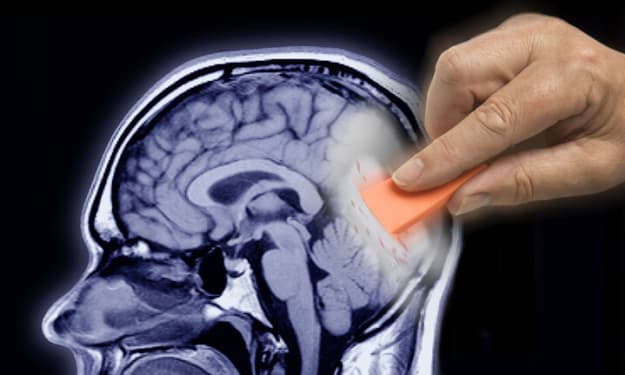
The human brain creates a false memory just a few seconds after the event!
People may misremember events, often within seconds, and reshape memories to fit their expectations. Previous studies have shown that people's perception of their surroundings can be shaped by their expectations, which can lead to delusions. People's long-term memories can also be shaped to fit their expectations, sometimes generating false memories.
By News Correct3 years ago in Psyche
Treatment for mental illness
Introduction: The subject is comprehensive and includes a wide spectrum of problems from depression, anxiety, bipolar, personality, and psychotic diseases. It involves a complete understanding of numerous sorts of treatment procedures and how they operate for different mental diseases. But, I can offer a summary or a breakdown of the book on therapy for mental illness. Explanation of what mental illness is and its frequency
By Josep Ebuch3 years ago in Psyche
The Impact of Bipolar Disorder on Relationships
Bipolar disorder is a mental health condition that affects a person's mood, energy, activity level, and ability to function in daily life. The disorder can cause periods of intense excitement and manic behavior followed by periods of depression and hopelessness. These mood swings can have a significant impact on the individual's personal and professional relationships, leading to conflicts, misunderstandings, and challenges. In this article, we will discuss the impact of bipolar disorder on relationships and how therapy can help manage the symptoms of the disorder.
By Mental Health Blog3 years ago in Psyche
Effective Treatments for Mood Disorders: Medication, Psychotherapy, and More
Mood disorders, also known as affective disorders, are a group of mental illnesses characterized by intense and persistent changes in mood. These changes in mood can range from feeling extremely sad or hopeless to feeling overly happy or euphoric. Mood disorders can significantly impact a person's daily life and can make it challenging to manage their emotions and behavior.
By Mental Health Blog3 years ago in Psyche
What are relapse signatures in mental health? And why are they important?
Relapse. Ah, the dreaded word for anyone struggling with an illness. Whether that is addiction, cancer or mental illnesses. This article will be about relapses in mental illnesses. I want to start by saying although relapse is almost inevitable in certain mental illnesses it is not the end of the world, I know it feels like it. A relapse is just a jail visit, not a death sentence (weird analogy but you know it makes sense).
By Rorisang Nthite3 years ago in Psyche
Lifting the veil of sadness
There’s an undercurrent of loneliness and isolation to everyday life. Its intensity varies. It’s not always apparent, though it’s always with us. It might creep up on you while walking down a street full of people and feeling disconnected from everyone you see; or when you have an opportunity to speak one-on-one with an interesting colleague at work, but just can’t make the intimate connection you’d hoped; or when someone disappoints you and you feel despondent, weak, and humiliated.
By Daniel Del Re3 years ago in Psyche
How Bipolar Disorder Can Affect Relationships: Tips for Managing and Maintaining Healthy Connections
Bipolar disorder is a mental illness that affects millions of people worldwide. It is a chronic condition that causes extreme mood swings, including episodes of mania and depression. These mood swings can have a significant impact on a person's relationships, including family, friends, and romantic partners. In this article, we will explore how bipolar disorder can affect relationships and provide tips on how to manage and maintain healthy relationships when living with bipolar disorder.
By Mental Health experts 1224r353 years ago in Psyche
Managing the Ups and Downs: A Comprehensive Guide to Treatments for Mood Disorders
Mood disorders, also known as affective disorders, are a group of mental health conditions characterized by significant changes in mood and emotional state. These conditions can range from mild to severe, and can significantly impact a person's daily functioning and quality of life. Fortunately, there are many effective treatments for mood disorders that can help individuals manage their symptoms and improve their overall mental health and well-being.
By Mental Health experts 1224r353 years ago in Psyche
Mental Health
The period "mental health" has received large traction in the latest years, reflecting a developing recognition and grasp of its significance in our lives. Today, the dialog is no longer restrained to psychologists and scientific professionals; instead, it has permeated the mainstream, bringing with it an experience of urgency and a wish to create extra-inclusive, supportive environments. This 900-word article delves into the complexities of intellectual fitness and explores approaches to fostering intellectual well-being in our day-by-day lives.
By Mortagy Rashed3 years ago in Psyche
Mood Disorders: Causes, Symptoms, and Treatment
Mood disorders, also known as affective disorders, are a group of mental health conditions that affect an individual's emotional state. These conditions are characterized by changes in mood that are extreme, long-lasting, and interfere with daily activities. The two primary types of mood disorders are depression and bipolar disorder. Although the exact causes of mood disorders are not entirely understood, researchers have identified several potential factors that contribute to the development of these conditions.
By mental health blog3 years ago in Psyche
The Importance of Self-Care for Partners of Individuals with Bipolar Disorder
Loving someone with mental health issues can be an intense and challenging experience. One of the most common mental health conditions that partners may encounter is bipolar disorder. Bipolar disorder, formerly known as manic-depressive illness, is a mental health condition characterized by extreme mood swings that range from episodes of elevated or manic mood to episodes of depressive mood. Living with someone with bipolar disorder can be stressful, and it is crucial for partners to prioritize self-care to maintain their own physical and mental health.
By mental health blog3 years ago in Psyche
How to Support a Partner with Bipolar Disorder in a Relationship
Bipolar disorder is a mental health condition that affects approximately 2.6% of the adult population in the United States. It is characterized by extreme mood swings that range from manic highs to depressive lows, and it can be challenging to navigate for those who are affected by it. If you are in a relationship with someone who has bipolar disorder, it is important to understand how the condition affects relationships and how you can best support your partner.
By mental health blog3 years ago in Psyche