
Signs of Stress in Body Language
Stress in Body Language

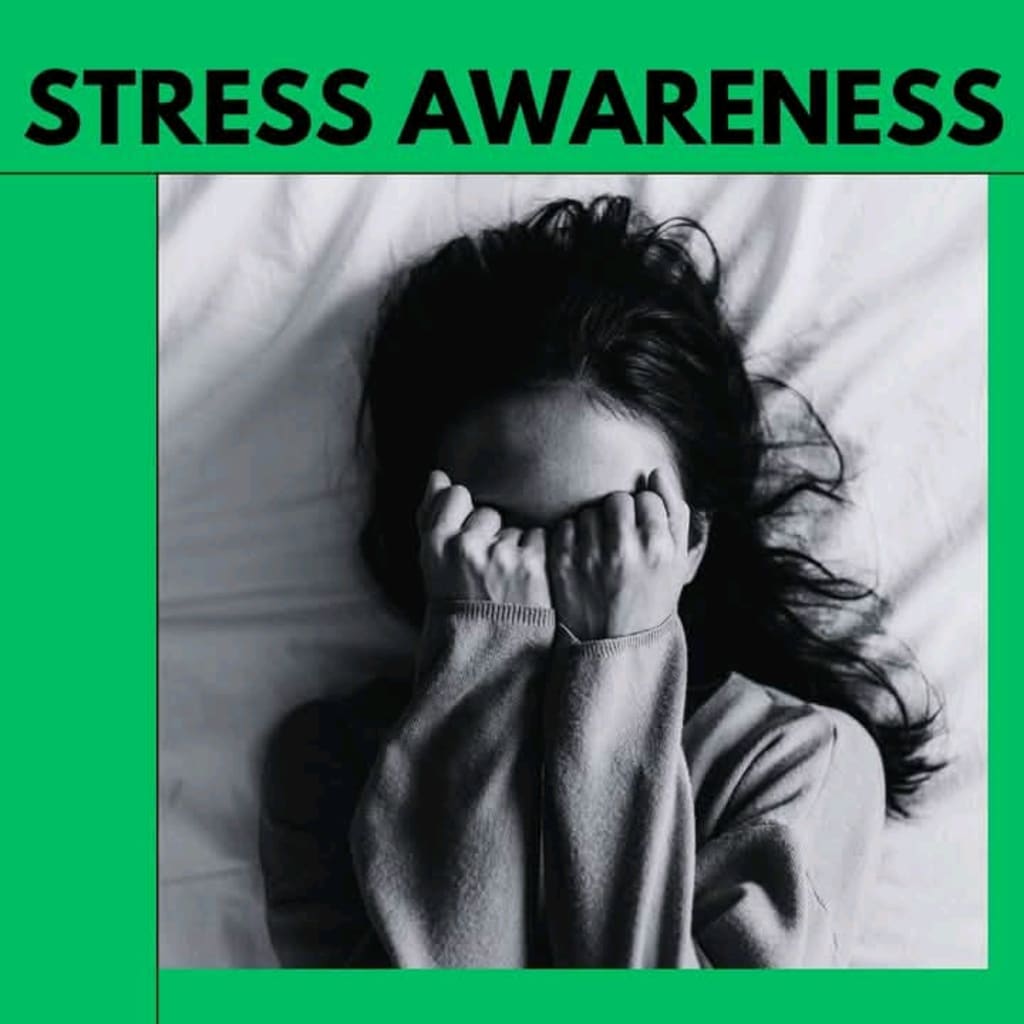
Body movements and facial expressions that an individual makes may help to know his thoughts and feelings, including tension, fear, admiration, and others. The following is a group of signs of tension in body language:
• Snapping fingers
One study showed that 54% of people resort to this behavior to relieve stress and nervousness.
• Arms crossed
This behavior provides a sense of closure and self-protection; it is one of the quick reactions when feeling stressed.
• Nail biting
Stress and anxiety may be one of the reasons leading to this behavior, and if left uncontrolled, this may increase the risk of practicing some other negative behaviors, which may include biting the cheeks, pulling off hairs, grinding the teeth, etc.
• Avoiding eye contact
Avoiding eye contact and looking away in random places may be a sign of tension, discomfort, and an attempt to hide true feelings.
• Body vibration
This behavior, and others such as rapid movement, may be reactions to the release of large amounts of adrenaline when feeling stressed.
• Voice changes
Such as trembling in the voice, or interruption, or acceleration of the vocal tone.
• Blushing
It is a natural response of the body when feeling stressed, and one that people cannot control. In some cases, some people may resort to medication or even surgery to get rid of the problem of facial redness.
• Sweating
Cases of sweating ranging from mild to extreme, even excessive cases, are not just merely signs of stress, it requires medical assistance as well. See a doctor in such situations.
• Body tilt
Some people may change their body posture when they feel stressed, as they may lean their body in a certain direction in an exaggerated manner.
• Restlessness
It is an internal feeling of discomfort, and this feeling is translated into making certain movements with the hands and feet.
• Irregular eye blinking
The rate of blinking can rise when individuals experience nervousness, due to their attempts to consciously manage eye movement.
Tips For Improving Body Language Control
When feeling stressed, here are a set of tips that may help control body language and increase the ability to understand the body language of others:
• Make eye contact
Avoid negative nervous habits as much as possible, such as fidgeting. Be sure to nod your head when listening to others speak. Smile at the right time. Avoid looking down, keeping your head up. Stand up straight. Pay attention to the position of your arms, and do not cross them. Pay attention to facial expressions, such as the shape of the eyebrows or lips. Make sure to walk with large, balanced steps. To better understand other people's body language, you can ask questions about what others mean, observe the tone of their voice, or compare their words to their body language.
Factors That Affect Body Language
Although some behaviors are associated with specific feelings, body language may differ from one person to another, as a result of being affected by a group of individual differences, including the following:
• Cultural differences
Individual behaviors may be influenced by cultural backgrounds; for example, eye contact while speaking with others is considered a sign of interest in many Western cultures, while people avoid prolonged eye contact in Eastern cultures.
• Psychological differences
Because the mental health of individuals is reflected in their behavior, for example, people with social anxiety may find it difficult to be perceived by others.
• Developmental differences
Individuals' behaviors may vary depending on the extent to which their human brains are developed. For example, fidgeting may occur when some people feel bored, while neurodiverse individuals may exhibit fidgeting to relieve stress or increase concentration.
About the Creator
Keep reading
More stories from Uchenna Cosmas Nwokafor and writers in Psyche and other communities.
Why Hobby DJs Are Driving the Bootleg Trend: A Focus on DJ Switch Ghana
If you play sets, use modern equipment, and want to go beyond just playing music, 2025 could very well be your year. Because now more than ever, reimagining other people’s music is not only the right way to create, but also an essential tool to master.
By Uchenna Cosmas Nwokafor 9 months ago in Beat
Top tipple tricks
Been thinking a lot about drinking, lately. Not least because of a recent episode of over-indulgence and the inevitable after effects. Some readers may recall the earlier articles I wrote about beating the booze. Here I set out an experiment in techniques for cutting down on my alcohol intake. The experiment was successful, the techniques worked, and I have armed myself with an arsenal of weapons in the war against the demon drink. I have yet to fire the first round however. It's all a question of timing (perhaps procrastination).
By Raymond G. Taylor3 days ago in Psyche
The 'Zero Tolerance' World
It has occurred to me recently that the amount of 'zero tolerance' posters in shops, restaurants and cafes has increased. So what is a 'zero tolerance' poster? It is a poster that states that there is zero tolerance in said establishment of abuse towards members of staff. That the abuse will be treated with police intervention and that there may also be criminal prosecution where necessary. I may not go out and about often but I have noticed a massive increase in these signs basically stating 'please don't beat up our staff' as if someone is going to go in to punch in the head of the Starbucks barista, sees the sign and rethinks his/her stance. I think body cams might be a better deterrent or even allowing the member of staff to retaliate in an appropriate manner. People are less likely to smack the Starbucks barista if they find out that the woman making their coffee has a black belt in some ancient martial arts and is allowed to put their knowledge to good use.
By Annie Kapurabout 24 hours ago in Psyche




Comments (2)
This is very educational and helps us pay closer attention, which helps us relate better with people. A beautiful piece.
This is some interesting stuff about body language signs of tension. I've noticed people around me doing some of these, like nail biting. It makes me wonder how often we're actually aware of our own body's stress signals. And sweating - when's it just stress and when does it need medical attention? Gotta pay closer attention now.