
Non-Invasive Pain Relief: Exploring Shockwave Therapy
Shockwave therapy uses acoustic waves to treat various musculoskeletal conditions. These waves stimulate the body's natural healing.
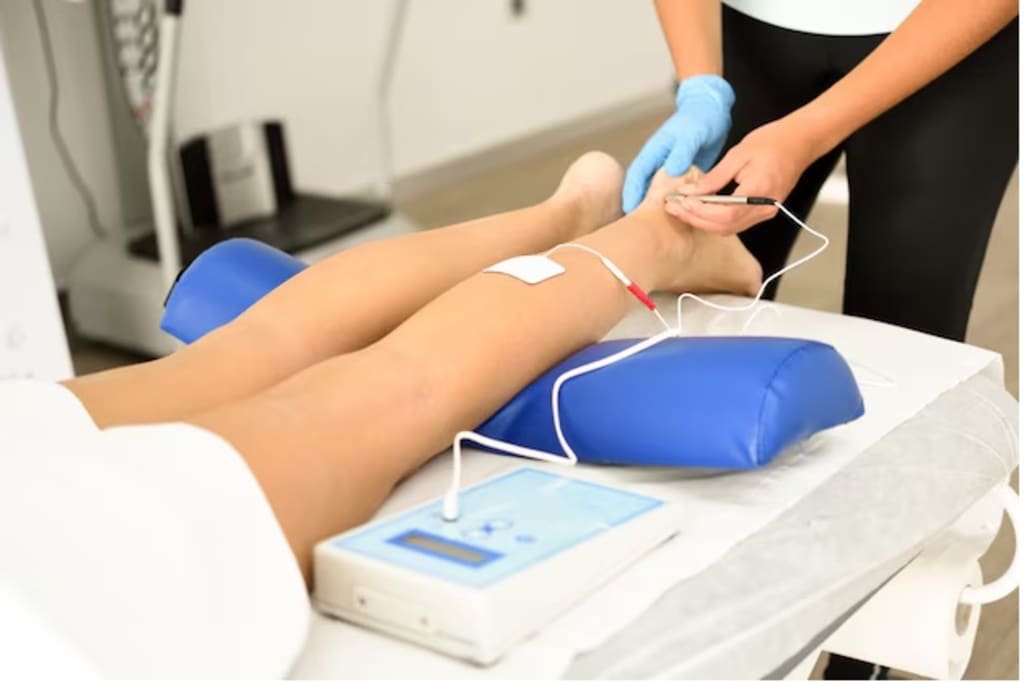
Living with chronic pain can be debilitating, affecting your daily life and overall well-being. For those seeking effective, non-invasive pain relief options, shockwave therapy is considered a promising solution. Here, we will explore the ins and outs of shockwave therapy, its benefits, and why it might be the right choice for you.
Understanding Shockwave Therapy
Shockwave therapy uses acoustic waves to treat various musculoskeletal conditions. These waves stimulate the body's natural healing. They promote tissue regrowth and reduce pain. Initially, it treats kidney stones. But, over time it also helps with conditions such as plantar fasciitis, tendonitis, and chronic pain.
How Shockwave Therapy Works
It involves a handheld device that delivers high-energy sound waves to the affected area. These waves create micro-traumas in the tissue, which trigger increased blood flow and the release of growth factors. This process enhances the body's ability to repair and regenerate damaged tissue. It leads to less pain and better function.
Benefits of Shockwave Therapy
Unlike surgery, there are no incisions, stitches, or long recovery periods. Patients can resume their daily activities after the treatment. Additionally, shockwave therapy is quick. A session typically lasts 15-20 minutes.
Another big advantage is that shockwave therapy is a great option. It's for those who have not found relief from traditional treatments like medication or physical therapy. It can be particularly advantageous for chronic conditions that have not responded to other therapies.
Conditions Treated with Shockwave Therapy
Shockwave therapy is versatile and can treat various conditions, including:
• Plantar fasciitis: Pain and swelling of the plantar fascia, a thick band of tissue running across the bottom of the foot.
• Achilles tendonitis: Inflammation of the Achilles tendon, causing pain and stiffness.
• Tennis elbow: Pain and inflammation of the tendons on the outer side of the elbow.
• Calcific shoulder tendonitis: Calcium deposits in the shoulder tendons cause pain and restricted movement.
• Shin splints: Pain along the shin bone, commonly seen in runners and athletes.
The Treatment Process
During your initial consultation, a healthcare professional will assess your condition and determine if the therapy is appropriate. If so, they will schedule your treatment sessions, typically spaced a week apart.
During each session, a gel is applied to the affected area to ensure effective transmission of the shockwaves. The therapist will then use the handheld device to deliver the sound waves to the targeted area. Various patients experience some discomfort during the treatment, but it is generally well-tolerated.
What to Expect After Treatment
After a session of shockwave therapy for pain, you might get some redness, swelling, or bruising in the treated area. These side effects are usually temporary and subside within a few days. It's essential to follow any post-treatment instructions provided by your healthcare provider, such as avoiding strenuous activities for a short period.
Most patients notice improvement after a few sessions. They have less pain and more mobility. However, the number of sessions required can vary depending on the severity of the condition and individual response to treatment.
Who Can Benefit from Shockwave Therapy?
This wave therapy for pain is suitable for a wide range of individuals. It can be particularly beneficial for athletes, active individuals, and those with physically demanding jobs. However, it is not recommended for everyone. Patients with certain medical situations, such as blood clotting disorders or infections in the treatment area, may not be suitable candidates.
The Final Say
It stimulates the body's healing processes. It can treat chronic conditions and improve life. You are in pain and want an alternative to surgery or drugs. Shockwave therapy might be right for you. Consult with a professional in the healthcare industry to determine if shockwave therapy is appropriate for your situation. With its many benefits and minimal risks, it could be the key to reclaiming a pain-free life.
About the Creator
Keep reading
More stories from writers in Psyche and other communities.
How to Succeed at the Benson Directory®
Congratulations and welcome to the Benson Directory® employee #22391! As our newest call handler, you will have the privilege of speaking with dozens of unique and interesting people on a daily basis as well as the opportunity to earn bonuses for high performance. Contained within this handbook you will find a set of ease to follow instructions designed to help you settle in to your new role and begin paving the way to success.
By S. A. Crawford4 days ago in Fiction
The Devil's Cut
“Comrade, finally you’re awake.” The voice was smooth, sensual. A flickering incandescent bar was all that lit the white, sterile room. All Vladimir remembered was everything going black. He tried to move his arms and found them strapped to the gurney.
By Matthew J. Fromm7 days ago in Fiction




Comments
There are no comments for this story
Be the first to respond and start the conversation.