

Living with the Echo: A Story of PTSD and the Journey Toward Healing
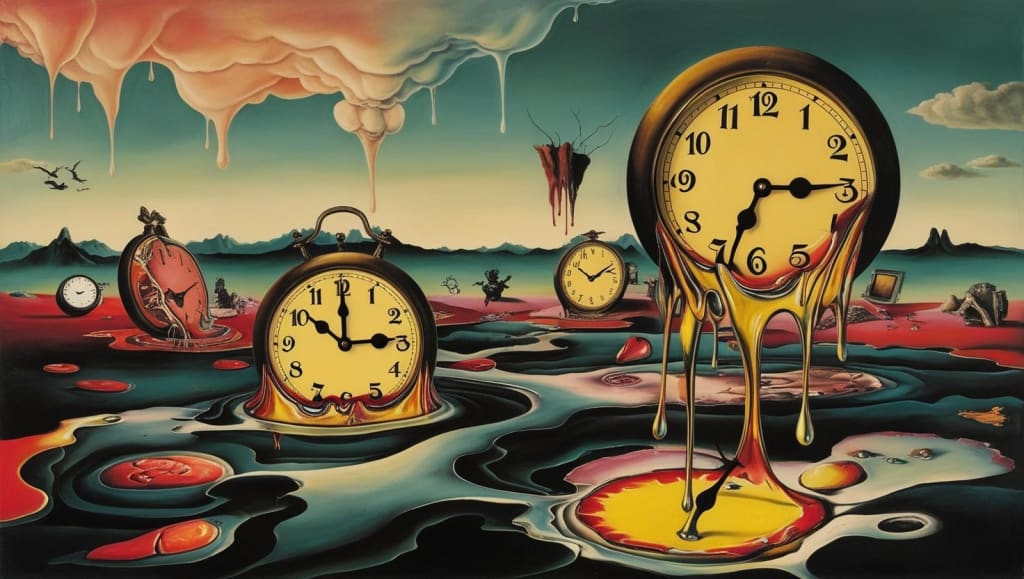
The clock read 3:17 AM.
Sarah lay still in her bed, eyes wide open, drenched in sweat. The room was silent, but her heart was racing like she’d just sprinted a marathon. Another nightmare. Another scene replayed, as vivid and real as if it were happening all over again.
In her dream, she was back in the passenger seat of that car—the moment it swerved off the wet road and hit the tree. The sounds were the same every time: screeching tires, shattering glass, the final echo of her best friend’s laugh turning into a scream.
That accident was five years ago.
Sarah survived. On the outside, her scars had long healed. But the inside—her mind, her heart—still felt cracked in ways she didn’t fully understand. Friends told her she was lucky, that she should move on. And she wanted to. Desperately. But something inside wouldn’t let her.
This is the story of Sarah—and the millions of others like her—living with **Post-Traumatic Stress Disorder (PTSD)**.
The Aftermath of Survival
PTSD doesn’t arrive like a thunderclap. It creeps in, uninvited. For Sarah, the first signs were subtle. She avoided driving altogether. Her once-beloved road trips now filled her with dread. Then came the nightmares—repetitive and vivid. She stopped sleeping well. She grew distant, snapping at coworkers and withdrawing from friends. Sounds of traffic made her flinch. A car honking behind her would cause her to freeze.
At first, she chalked it up to stress, maybe even guilt. But deep down, she knew it was more.
Many people who endure traumatic events—like accidents, assault, war, or natural disasters—experience these reactions. For most, the symptoms fade with time. But for some, like Sarah, they persist and even worsen. That’s when it becomes PTSD.
What is PTSD, Really?
PTSD is more than bad memories. It’s not just about being “haunted” by the past—it’s about being *trapped* in it. The brain, in trying to protect itself, ends up stuck in a loop. The trauma becomes an ever-present shadow.
Sarah’s therapist once explained it like this: imagine your brain is a smoke detector. After a fire, it becomes hypersensitive. Now, even steam from the shower sets it off. That’s what PTSD does—it reprograms your body’s threat system, keeping it in constant alert mode, even when there’s no real danger.
Triggers: The Ghosts of Memory
For Sarah, her biggest trigger was rain. A drizzly afternoon could send her spiraling. It wasn’t the rain itself—it was what it reminded her of. That night, the accident happened in the rain. The brain doesn’t forget.
PTSD triggers can be anything—smells, sounds, places, even certain words. They don’t follow logic. They sneak up without warning, hijacking a person’s mind and emotions. One moment, you’re having coffee. The next, your hands are shaking, heart pounding, lungs gasping for air.
Symptoms That Linger in Silence
The most well-known symptom of PTSD is flashbacks. But the disorder wears many masks:
- **Intrusive thoughts** that come without warning.
- **Avoidance** of anything that might bring back the memory.
- **Negative thoughts** and distorted beliefs—like “I deserved this” or “I’ll never be safe again.”
- **Hyperarousal**, where the nervous system is always on edge, unable to relax.
Sarah didn’t know there was a name for what she was going through. She just thought she was broken.
The Weight of Invisible Wound
One of the hardest parts about PTSD is how invisible it is. Sarah looked fine. She went to work, paid her bills, even smiled sometimes. But inside, she felt like she was drowning.
That’s the cruel thing about PTSD—it often isolates. Friends can’t understand why you’re "still stuck" or "still scared." You start to question your own sanity. Guilt creeps in. Shame follows.
“I survived. So why do I feel like I didn’t?” Sarah would often ask herself.
A Name, A Diagnosis, A Beginning
It wasn’t until she finally saw a therapist that she heard the words “Post-Traumatic Stress Disorder.” At first, it felt like a label. But then, strangely, it felt like relief. A diagnosis didn’t fix everything, but it gave her a map.
She wasn’t crazy. She wasn’t weak. She was injured.
And like all injuries, this one needed care.
The Road to Healing
Therapy wasn’t easy. Talking about the accident felt like ripping open a wound. But slowly, Sarah learned to reclaim her story. She tried **Cognitive Behavioral Therapy (CBT)** to challenge the thoughts that kept her trapped. She practiced **grounding techniques**—like counting colors in the room or placing her feet firmly on the floor—to bring herself back from flashbacks.
She also began **EMDR (Eye Movement Desensitization and Reprocessing)**, a therapy that helped her brain reprocess traumatic memories in a less triggering way.
Some days were worse than others. But now, she had tools. And hope.
What Healing Looks Like
Healing didn’t mean forgetting. It didn’t mean erasing the pain. It meant learning how to live beside it.
Sarah started driving short distances again, slowly and cautiously. Rainy days were still hard, but they didn’t paralyze her anymore. She found peace in simple routines: morning walks, journaling, hot tea before bed. Her world became a little brighter.
She even began to speak at local support groups, sharing her story with others who felt just as lost as she once had.
Supporting Those with PTSD
If someone you know is struggling with PTSD, here’s what you can do:
- **Listen.** Really listen. Don’t rush to fix.
- **Believe them.** Even if you can’t see their pain.
- **Don’t minimize.** Never say, “It wasn’t that bad.”
- **Be patient.** Healing isn’t linear.
- **Encourage help.** But don’t push. Let them take the lead.
Sometimes, just showing up is the most powerful thing you can do.
The Bigger Picture
PTSD affects people from all walks of life—veterans, survivors of abuse, accident victims, even frontline workers and first responders. It doesn’t discriminate. According to the U.S. Department of Veterans Affairs, about 6 in 100 people will experience PTSD at some point in their lives. For those who go through trauma, that number is much higher.
But here's what matters most: **PTSD is treatable. Healing is possible. People can get better.
Sarah's Story Continues
It’s been two years since Sarah started therapy. She still has bad nights, but they’re fewer now. She still hears echoes of the past, but they no longer drown her out.
She’s not the same person she was before the accident. She’s stronger, more compassionate, and far more aware of the fragility and strength of the human spirit.
She’s still healing. And that’s okay.
Because PTSD may be part of her story—but it doesn’t define her.
If you or someone you love is struggling with PTSD, know this: You are not alone. There is help, and there is hope. The past may echo, but it doesn't have to own you.
You can write a new chapter—starting today.
About the Creator
Gabriela Tone
I’ve always had a strong interest in psychology. I’m fascinated by how the mind works, why we feel the way we do, and how our past shapes us. I enjoy reading about human behavior, emotional health, and personal growth.
Keep reading
More stories from Gabriela Tone and writers in Psyche and other communities.
The Rhythm of Little Stars
The Rhythm of Little Stars A Journey to Finding the Perfect Baby Schedule When Emma first brought baby Oliver home from the hospital, she thought she was ready. She had read the books, joined the forums, listened to every piece of advice from mothers, grandmothers, neighbors, and strangers in grocery store lines. "Sleep when the baby sleeps," they said. "Feed on demand." "Let them cry it out." "Never let them cry it out."
By Gabriela ToneExclusive • 11 months ago
The BAFTA Awards
By now, in a stunning departure from recent years, most of the world is aware of what happened at the BAFTA film awards. Social Media Headlines will tell you the bare bones: that John Davidson, a Tourette's Syndrome advocate, shouted a racial slur at two Actors of Colour, Michael B Jordan and Delroy Lindo.
By Natasja Rose4 days ago in Psyche
Habits that rewired my anxious brain
This might not be your typical wake-up and eat a healthy diet list. This is not to say they are not useful, but they didn’t work for my chronically dysregulated, scared, and anxious nervous system. In this list, I will mention highly niche things that worked for me, and I will help you personalize what may work for you, too, based on the common working principle, not the habits themselves.
By Amira hossamabout 11 hours ago in Psyche
Review of 'Man on the Run'
My wife and I saw Man on the Run, a nearly 2-hour documentary on Amazon Prime, about Wings, Paul McCartney's group that flew around the world from shortly after The Beatles broke up in early 1970 to shortly after John Lennon was murdered at the end of 1980, making a Beatles reunion forever impossible.
By Paul Levinson7 days ago in Beat




Comments
There are no comments for this story
Be the first to respond and start the conversation.